Ghosts and Ghouls in the Old City

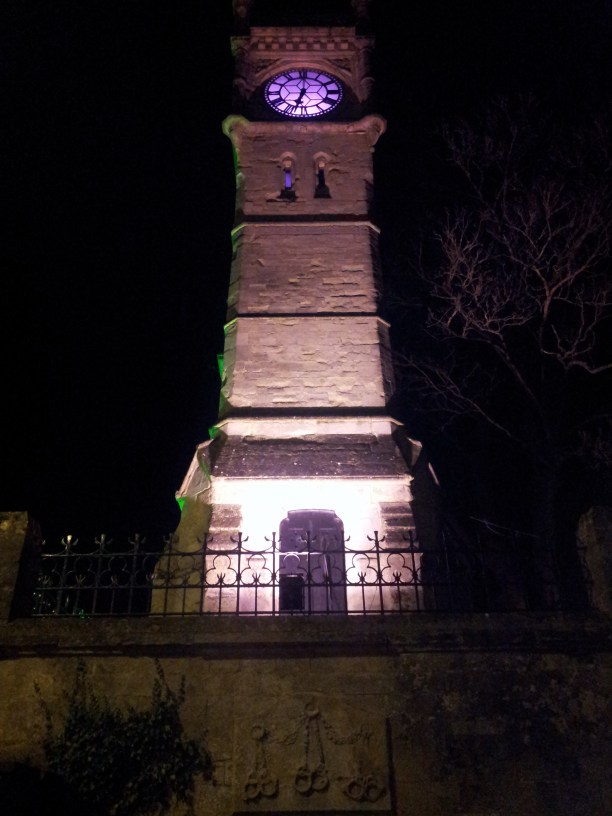
With a loud creak, the iron gate swings open. Our group walks into the dark courtyard, enclosed on three sides by the high stone walls of the old workhouse. The illuminated spire of the cathedral stands tall over nearby rooftops, the glow around its shadowy nooks forming spectral vertebrae.

This is the scene half way around the Salisbury ghost tour and, as our guide tells us about a lady in this building who woke in the middle of the night to the sound of disembodied sobbing, a gust of wind whips through the yard with an eerie drawn-out whistle.

It raises a few smiles among the 20 or so people who came along, a larger group than the organisers had been expecting. The guide makes no mention of the ghostly sound effects, though: importantly, the tour doesn’t take itself too seriously. Instances like this are treated as amusing coincidences rather than signs of a haunting presence.

20151229_184811


All along, our guide has been aware that not everyone believes in ghosts and restrains herself from any overblown melodrama. I was grateful for this as my own inherent cynicism prevented me from truly getting into the spirit of things, but actually that proved no barrier to enjoying the experience.

The real strength of the ghost tour is that it doesn’t try to produce a cheap horror show, but simply gives you the stories of reported hauntings and lets you do what you will with the information. And, believer or not, you will learn of fascinating tales from Salisbury’s history along the way.

20151229_183254

Clock Tower at the site of the old prison.


Did you know, for example, that where Debenham’s now sits was the site of the Duke of Buckingham’s execution after he turned on the king during the Wars of the Roses? Or that builders found a hand, holding a pair of playing cards, in an old fireplace in a building behind St. Thomas’ Church? Or that the old hospital had an exorcism performed on it when it was converted for commercial use in 1992?

The tour peels back the skin of the town and its familiar buildings, revealing histories that you might never consider as you go about your daily business. Local or not- and I have to confess that that I don’t know Salisbury especially well- you should appreciate the alternative insight. Of course it helps if you have a taste for the macabre but it needn’t be seen as essential.

It also makes you appreciate just what a beautiful city Salisbury actually is. As you take your time to wander around and take in the sights, it is impossible to escape the fact that it is truly the gem in Wiltshire’s ‘urban’ (and I use that term loosely) landscape.

20151229_192820.jpg


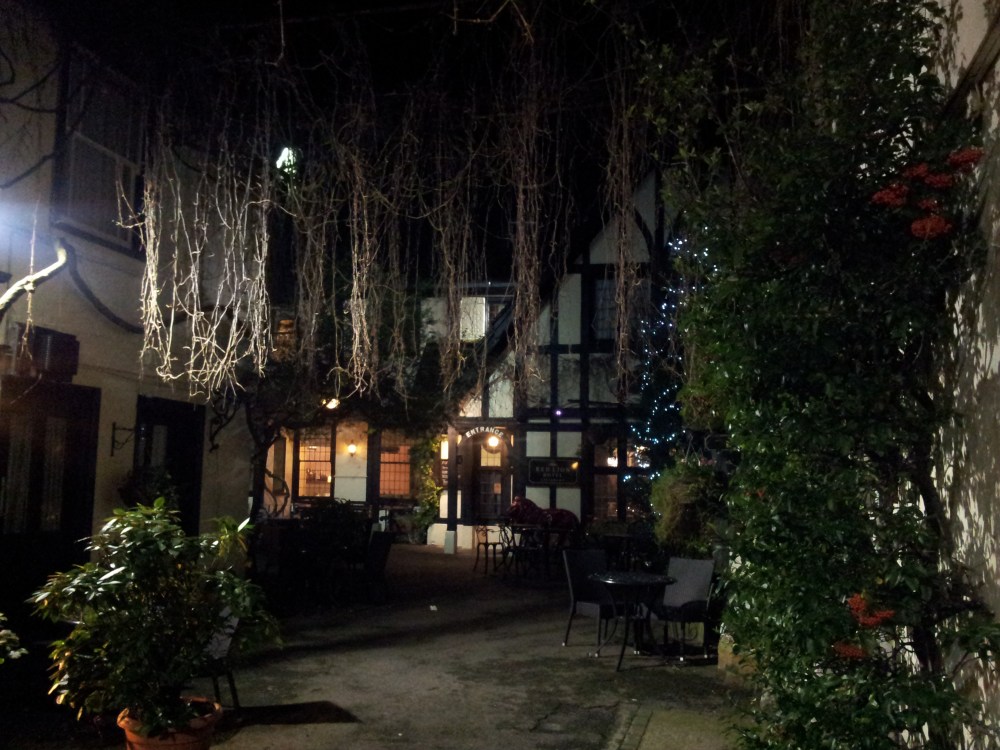
The tour ends back in the city centre, via Cathedral Close, at the Red Lion hotel. Next time you’re nearby, pop into the courtyard there and look up at the attic window to the lifeless face gazing back at out you. If you want to know the story behind it, and many more besides, the ghost tour will reveal all.
Price: £5 for adults, £2.50 for children.
No need to book.

Stuck in Lion Country

Have you ever wondered what happens when a car breaks down in the lion enclosure at a safari park? Of course you have; everyone has. It’s one of those throwaway comments that inevitably gets made in just about every vehicle that wheels its way through.

‘Wouldn’t like to break down here,’ someone jokes as the big cats lazily eye them up.

‘Definitely not,’ the others laugh compliantly.

Well it turns out that it’s pretty unspectacular. No lions jumping through windscreens or circling the stricken vehicle while its inhabitants cower in fear. Just a well executed safety protocol and a long line of cars queueing angrily behind.

We were part of that queue on a day trip during which we also took in the magnificent Festival of Lights. In truth, though, winter is not the best time to see the safari park. Many of the animals, evolved for the great sun-baked plains of Africa, appear a little reticent, understandably seeming to feel that something is slightly amiss in the wind and rain of a Wiltshire December.

The elephant hid away in her barn; the giraffes were nowhere to be seen; and the zebras, camels and co. who were outside stood around looking a bit miffed as they blinked away the chilly drizzle.

But please don’t take this as a high-minded criticism of the nature of safari parks: such places are vital for inspiring people about the majesty of these beautiful animals and educating visitors who would never normally encounter them in the importance of conservation. And Longleat’s animals are kept in excellent conditions and are very well looked after. I’m simply saying that they aren’t quite at their sparkly best in the winter, compared to when they are lounging in the warm summer sun.

Not everyone minded the weather, though. The monkeys were on their usual form, clambering over cars and smearing the windows with something which may or may not have been mud. The deer roved proudly across the grass and the ostriches just did their thing, probably quite relieved to not be under scorching sun while dressed up in all those feathers.

But it was when we got to the big cats that things started to go properly wrong. The tigers, in my mind the most incredible of all wild animals, were locked up in their cage rather roaming their enclosure. The first of the lion pens, meanwhile, seemed completely empty except for the stationary line of cars we found ourselves at the back of.

After around half an hour of painful crawling, we finally discovered that the reason for all this was a carload of broken down Irishmen. The keepers stood around looking like they had not a care in the world, their ease of demeanour allowed by the fact that the lions too had been caged.

It was by no means the park’s fault- if anything it’s reassuring to know they deal so efficiently with a potentially tricky situation- but the unfortunate circumstances added up to an experience which was frustrating and underwhelming.

Don’t let that put you off, though, because when all goes well it really is a fun day out, especially in the summer. And in the winter months, the Festival of Lights alone is more than worth the trip, regardless of whether or not you even visit the safari park at all. And even when it all goes as wrong as it did for us, it’s not all bad: at least we now found out the reality behind all those jokes.


Cover photo: Longleat.co.uk

Radioactive Safari

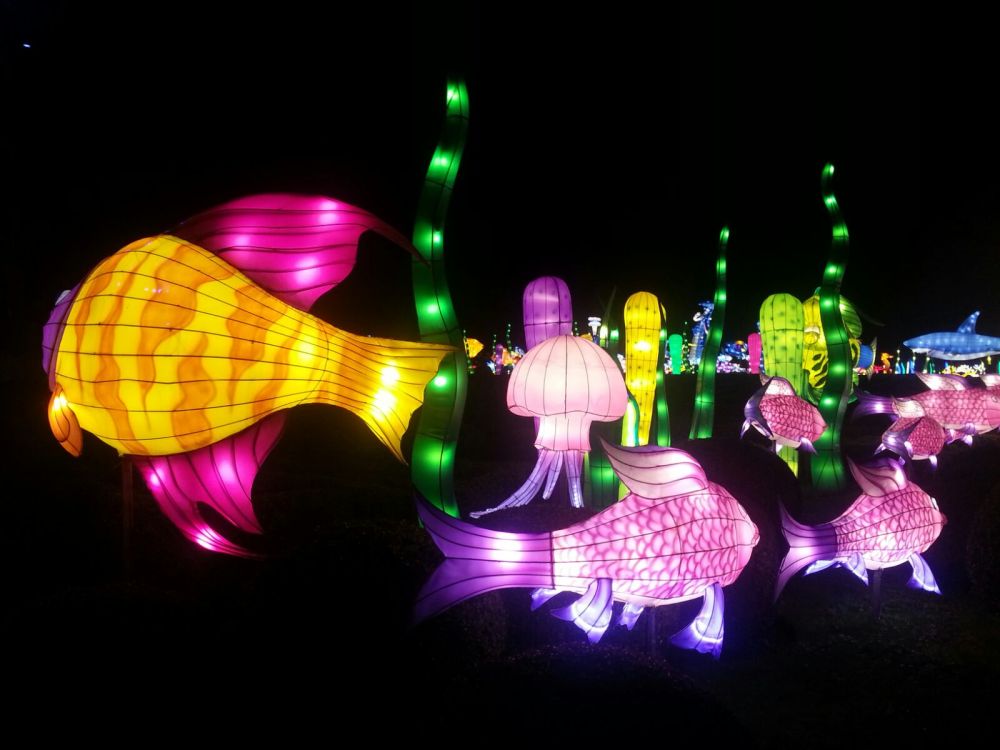
Huge, brilliantly coloured fish float in formation, their dazzling cartoonish forms cut vividly against the sea of deep black. Around them, whales, jellyfish and even a shark roam among the corals and the reeds. The whole experience is like a walk through some sort of electrified, hyped-up Beatles movie on steroids. Radioactive steroids. And that is every bit as spectacular as you might imagine.

IMG-20151222-WA0038


20151222_164940


Once again Longleat is hosting its winter time Festival of Light, the largest ever display of Chinese lanterns to be held in Europe, and it is something which simply has to be experienced.

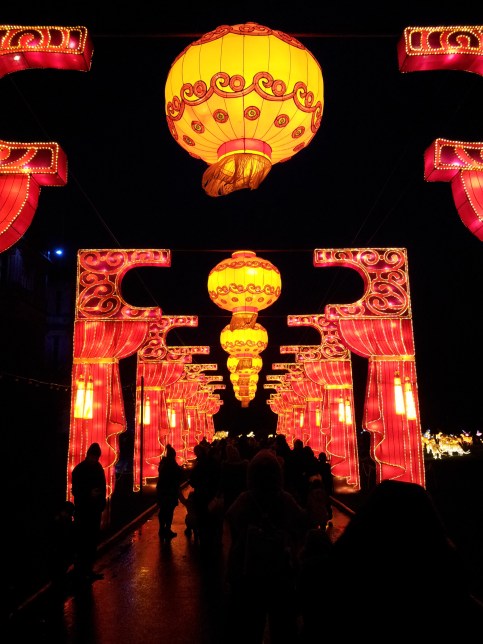
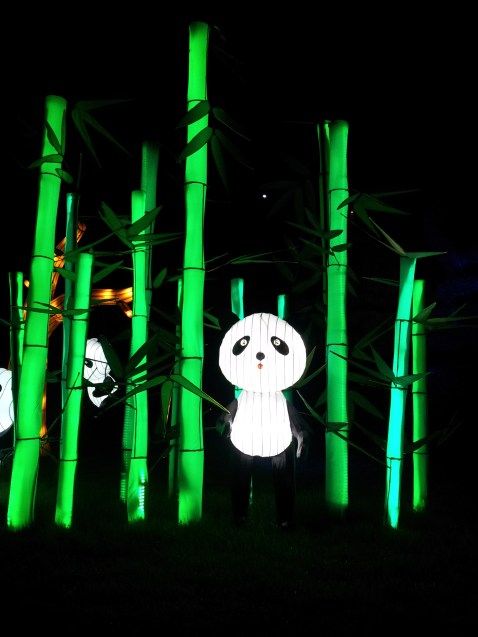
Next to the aforementioned ‘Oceans of the World’, a dragon boat sits on the lake and spits a constant jet of water from its gigantic illuminated head. Outside the main entrance to the house an entire safari park’s worth of animals, including all the favourites Longleat is famous for, gallop on the lawns. Elsewhere a truly vast Chinese dragon runs the full length of a small market, joyful pandas play in a bamboo forest, and a chunk of the famous Terracotta Army guards the Great Wall.

20151222_163301


Everywhere you look outside the proud sixteenth century home, the night is pierced through by the mesmerising neon glow from the thousands of lanterns which form all these displays and plenty more besides.

20151222_170255


Christmas at Longleat is more than a little different, and you have to applaud the vaulting ambition of their display. Even more than that, you have to applaud the fact that they have absolutely nailed it.

A slightly more restrained festive special is held inside the house, where each room on the ground floor contains a pastiche of well-known fairy stories and seasonal tales. Some, such as Goldilocks and Little Red Riding Hood, are crafted models, but Scrooge and others are played by live actors who interact with the stream of visitors passing through.

Perhaps to balance out the electricity bill, the house is dimly lit by little more than electric candles, giving the sort of atmosphere its Tudor inhabitants might have experienced as they moved about its ornate rooms. That particular touch earned a mixed reception- although I personally enjoyed it- but it was slightly creepy for younger people, and my two year old nephew didn’t last long before insisting on being taken back outside.

In truth, though, the displays in the house were more of a sideshow, something to fill the gap between voyaging round the safari park (look out for a separate post on that soon) and darkness descending on the lantern display outside.

20151222_165154


That is the real reason why thousands of people were traipsing round the grounds in the December drizzle, battling the winds and doing so with smiles of wonder on their faces.

The press reviews threw all sorts of superlatives at the display but it still exceeded all expectations by some margin. It was bigger, brighter and more dazzling, and a rare treat for both children and adults.

IMG-20151222-WA0047


I have to admit that from time to time I can be a little biased in my appreciation of Wiltshire’s delights. A cynic may say I am sometimes guilty of exaggerating them, while the more generous reader may instead feel that on those occasions I simply dig a little deeper to find a level on which to really appreciate things. No digging is necessary here; the Festival of Lights is genuinely special to anyone, from anywhere. A true Wiltshire gem.

Prices:
Adults: £29.50
Children: £21.95 (Under 3s free)
Disabled/Carer Discount: 50% off
All tickets include entrance to the safari park

Returning to Feed

Not for the first time in the short life of this blog, I seem to have taken something of an unscheduled hiatus. The summer isn’t a great period for free time- despite it undoubtedly being when Wiltshire is at the peak of its powers- but now I should be available to get out and about a little bit again.

On Saturday Calne held its annual food festival. Those who know the town only by reputation would probably be quite surprised by the central area when they arrive there. Despite being known as a relatively grim part of the county- perhaps in part a hangover from the decades of existing around a pork processing plant- the truth is that Calne is pretty unfairly treated by its uninspiring standing.

The green is surrounded by 24 listed buildings and the nave of St Mary’s Church is nearly a full millennium old. Coming up from there, the ornate walkway, made of Cotswold stone, which runs alongside the river Marden before it disappears neatly under the Town Hall has a faintly Florentine feel to it if viewed through optimistic eyes. The library, with its famous modernist sculpture The Head outside, represents the 21st century facelift given to the town in recent years.

It was around here that the stalls of the food festival were set up, making the most of the spruced up town centre. In all honesty, though, the event itself was a little disappointing. Where you might hope for a variety of different foods being cooked up, allowing you to sample a range of international cuisines, the reality was predominantly made up of some stalls selling sweets and jams.

Those which were serving out fresh cooked food, such as the German wurst stand and the stall offering an enjoyable selection of Nigerian food, seemed to be doing the best trade, which hopefully didn’t go unnoticed by the organisers ahead of next year. Another hit was the honey stand which had a glass-sided beehive to allow curious visitors the chance to watch the busy workers in action.

As a showcase for local produce the festival deserves commendation. I myself couldn’t resist buying a hot sauce called God Slayer, more potent than anything available in supermarkets, from the Wiltshire Chilli Farm, and most stalls seemed to come from the surrounding area. But it would have been nice to have a little more on top, a little more adventure and inspiration. Where they could be inviting the world in- bringing international flavours to the town- instead they opted for safety and ended up with little more than a glorified market. Going international need not diminish the local feel, and a brave expansion in that direction next year could give a big improvement.

Welcome to Wadworthshire

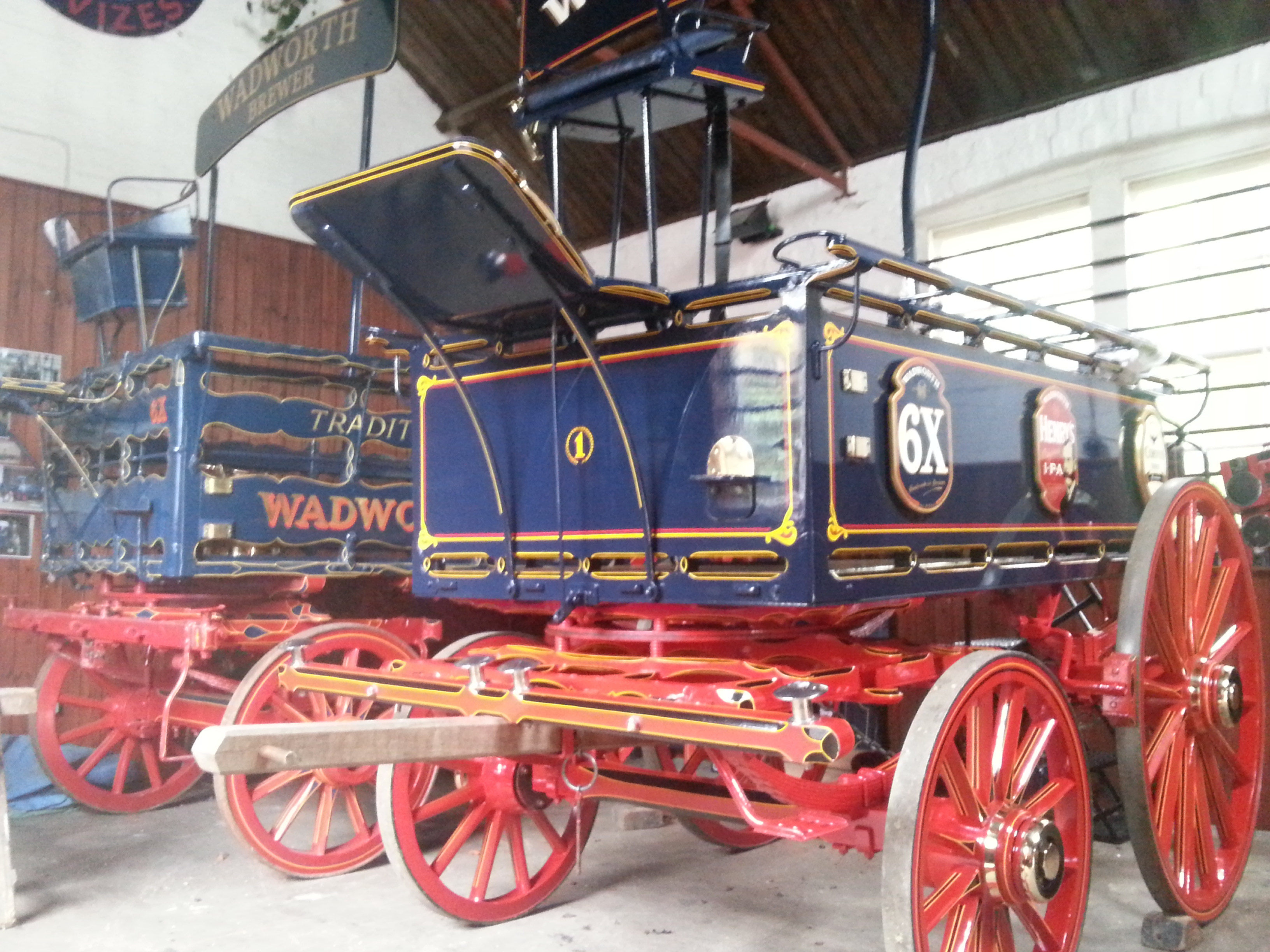
When introducing myself to fellow Wiltshire enthusiast @MuddyBootsWilts on Twitter, his first reply to me was, ‘Hello! Mine’s a 6X…’. First point of conversation, straight to the beer. For some it might seem an unusual opening direction to take, but to us Wiltshire folk the beer rolled out by Wadworths is something of a unifier. Within those brews we find a safe place in which we can confidently search for common ground, an ice breaker to which we can all relate, because the chances are that in any given pub, the locals will either be supping on cider or a Waddies ale.

Wadworths is no quaint rural brewery selling the odd bottle of novelty beer to tourists. Its produce is the real deal, chosen by the majority of locals ahead of the draught lagers and trendy imported bottles sold alongside it. It is therefore unsurprising that the brewery tour should follow suit. Visitors are not simply invited to amble around a collection of ale-y esoterica, but given an in depth look into the process of how a functioning business makes its famous products, both now and in the past.

20150424_152628

The Bustette and I were part of a group of around ten, each given hi-vis jackets to identify us as being participants in the tour and then taken out onto the streets of Devizes. Feeling like school children following our teacher as the traffic rolled by, we were led into a small door and then up some stairs to an office area.

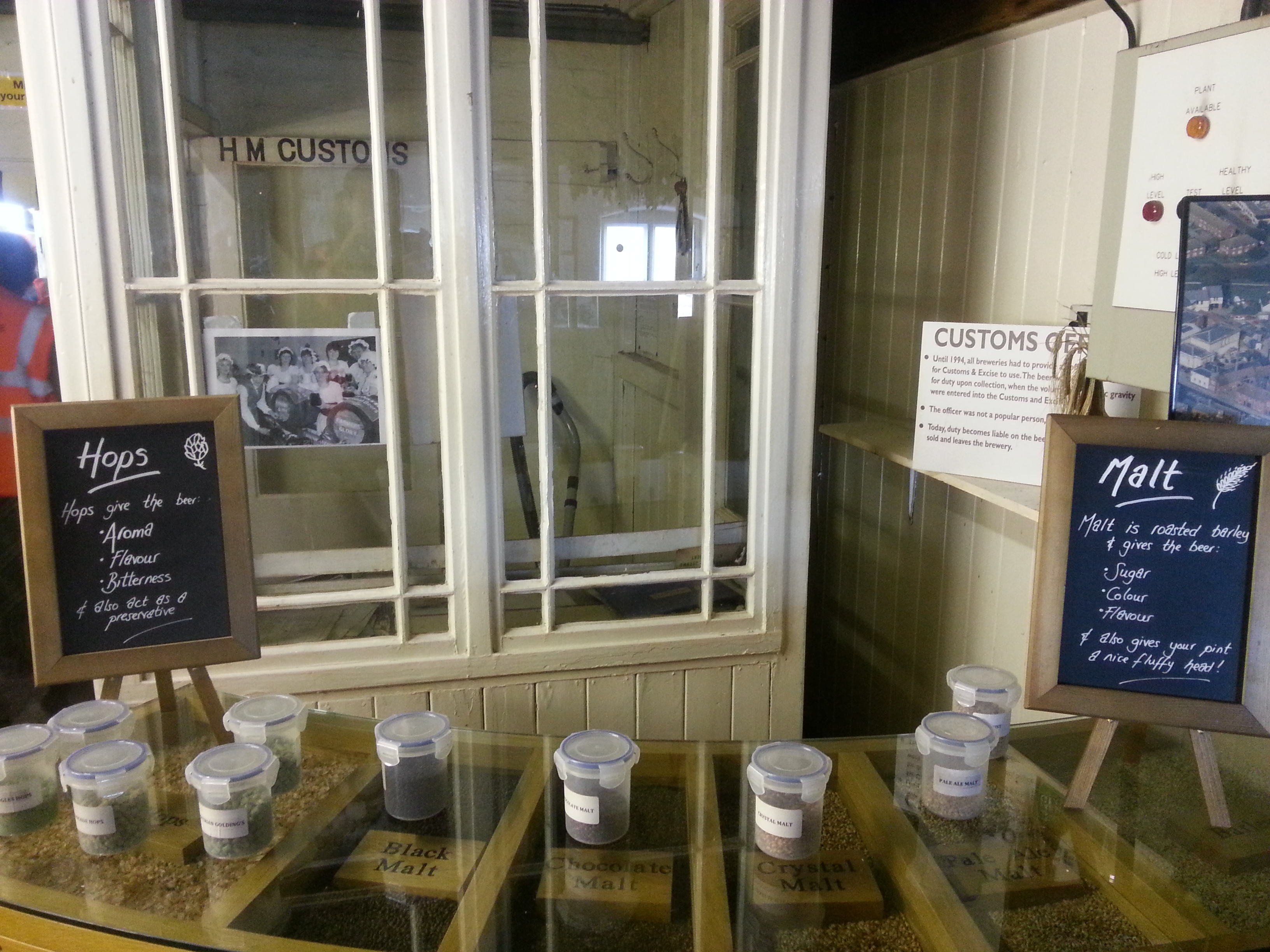
Here we stopped for the longest ‘talk’ of the day. Our guide began by telling us the history of the company and a little about the life of Henry Wadworth before finishing with some information about flavouring the beer. Pots of various malts and hops were passed around to accompany an explanantion of how they’re mixed, with each of us invited to smell or even taste them should we so wish. Those familiar with Waddies’ output might recognise certain tastes and aromas, others might just be surprised at how much variation there can be among each family of grains.

20150424_142229

The guide giving us this information was relatively young- somewhere in his mid 20s, at a guess- but was extremely well practiced and knowledgeable about his subject. Also working as a kegger within in the company, he was confident and enthusiastic and the personal touches which crept into his explanations of their particular brewing process made clear the friendships he evidently shared with the rest of the staff. There was no suggestion that this was a young lad doing a temp job who’d just brushed up on few fact sheets, he was highly professional and well-versed.

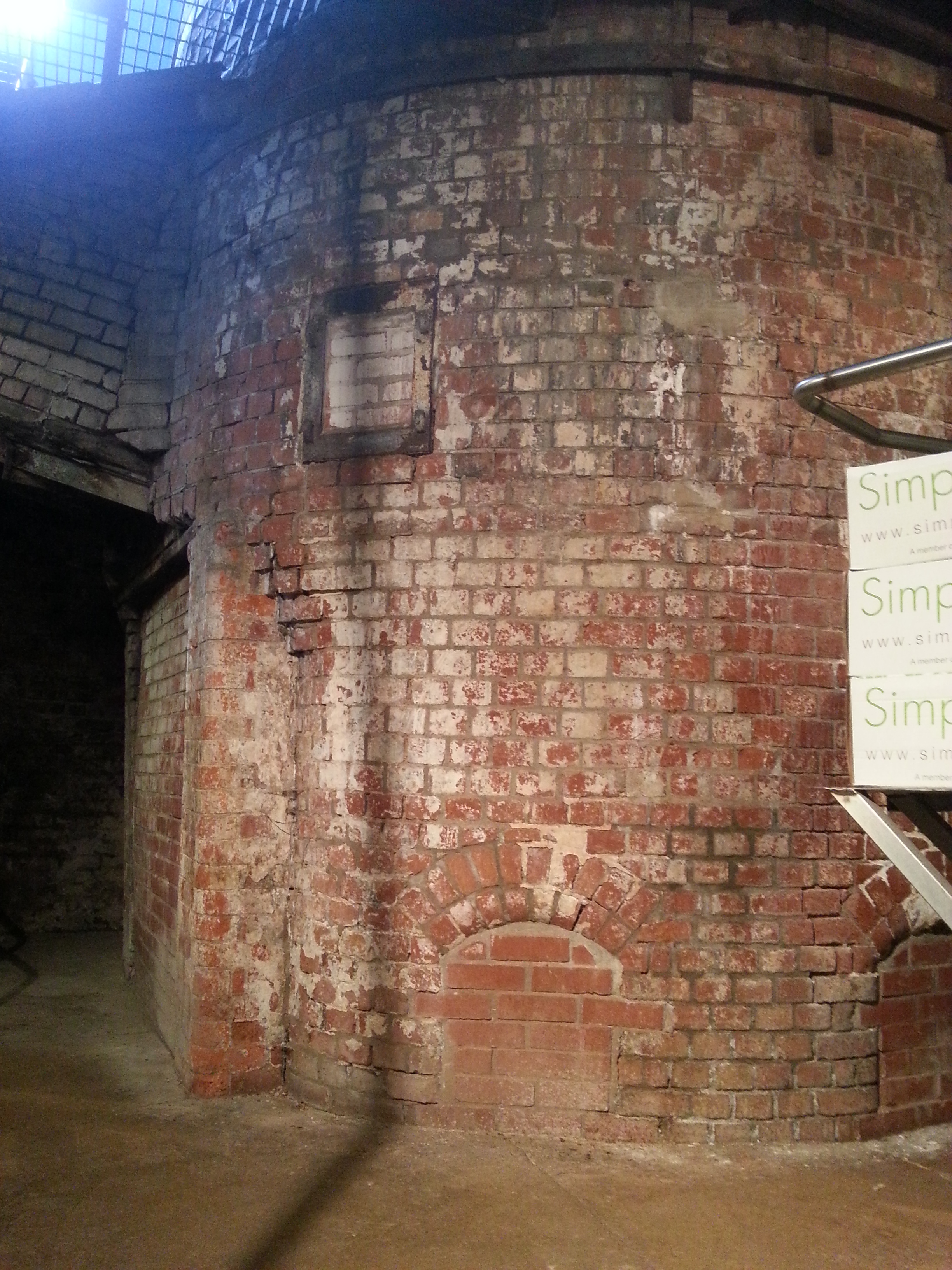
With the taste of different malts still lingering in our mouths, the tour moved on. It was structured in such a way that we began with the ‘old factory’, taking in the Victorian equipment which is now only used occasionally to produce their seasonal brews. How everything worked is explained, as well as the way in which certain pieces of equipment were modernised over their lifetimes. For example, the ‘open copper’ which heated the mixture as the hops were added has steam coils from the 1940s but was originally warmed by a coal furnace underneath, the old brickwork for which still remains.

20150424_144444 20150424_145034

This aged setup contrasted strongly with its recently opened modern succesor, all stainless steel and varnished wood. Interesting anecdotes peppered the tour, such as the story of the company which made the grain grinding engines who went bankrupt because their work was simply too good. Their engines were so reliable that, once purchased, their customers had no need for repairs or replacements and so they eventually ran out of business. Another noteable tale was the admission that it has been known for cross-contimation to occur between brews when tanks overflowed in the fermentation room. Rather than throw away tens of thousands of pints, they simply made up a fancy new name and released it as a one-off seasonal beer instead.

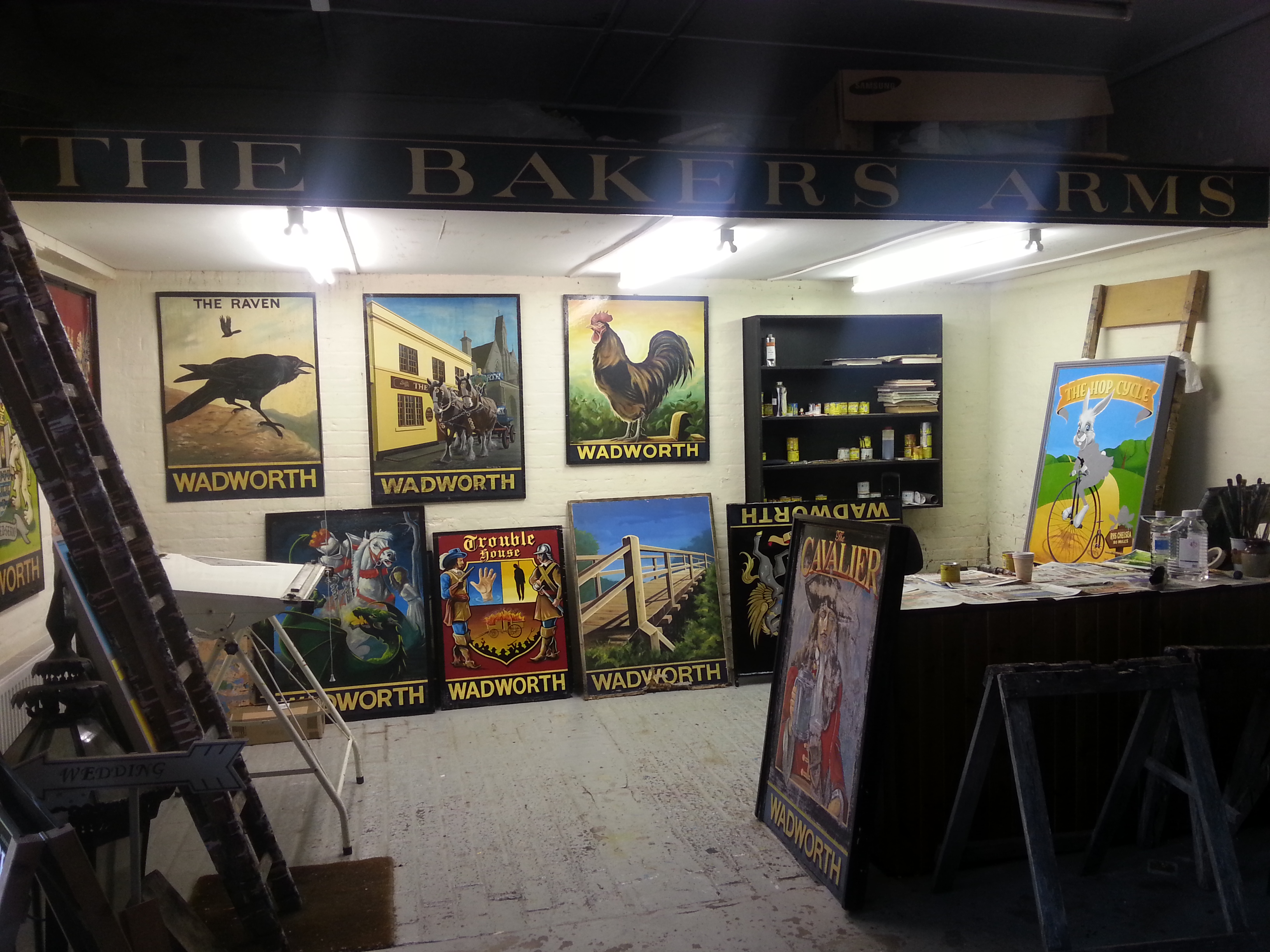
The sign writing studio is a particular point of interest due to the rarity of hand painted pub signs in the modern world. To paint each sign, we were told, takes around two weeks and the finished product lasts around seven or eight years. Given the number of pubs Wadworths owns across a 90 mile radius, this means that by the time they have been through one cycle it’s about time to start again. An unexpectedly full-time job, the current artist has now painted each pub’s sign three or four times in his 21 year stint.

20150424_151755 If shire horses are more your thing then be sure to check in advance that they will actually be there when you visit, otherwise you may be in for some disappointment. Especially during the summer, Max and Monty are likely to spend their weekends at shows, although the youngest member of the team, Archie, will still be around. They also have a couple of weeks per year away in a nearby field, the slightly eccentic display of their ‘holiday snaps’ on a wall near their stables being the Bustette’s highlight of the day. If you do get to meet them then show them plenty of love, turn your back and they will kick the stable door until you make them the centre of your attention once again.

20150424_152337

The finale is, let’s face it, the highlight for most people. Safely returned to the comfort of the in-house bar, we were given samples of five ales plus a stout they conconcted recently and aimed directly at a large, Guiness-shaped target. With each we were told a little background and given some description of the ingredients which went into producing it. How much you take from that will, I suppose, depend on how much of a connoisseur you are when it comes to these things, but even for the extremely casual drinker like myself and the Bustette it was still nice to be given the insight.

About two hours after beginning, we took our leave. It had been an enlightening experience which, of course, would benefit beer lovers more than non-drinkers, but was not without its charms either way. It spoke of Victorian industry as much as beer itself and offers an inside look at a Wiltshire institution. When you have family visiting for the weekend and need something to do, you might find that Wadworths provide the perfect solution in more ways than just getting them drunk.

Cost: £11 for adults, concessions available

– If going on a weekend, you will need to book well in advance. For Saturdays you should be looking at least two weeks ahead.

– Don’t drink and drive, kids.

– Main photo credit: 6xales.co.uk

The Muted Village

It is just a cricket match on a sunny day away from being the quintessential scene of rural England. We are looking across a peaceful green field to a small settlement of cottages. Beyond that, peering out from behind some tree tops, rises a chruch steeple, the heart of the old village. Add in the sound of leather on willow from a dogged batsman knocking some gentle, looped off-spin to the square leg boundary and you have the cliched chocolate box landscape of life in the countryside.

But it has been some 70 years since these buildings played host to the comings and goings of daily life, indeed most of them never have at all. The village of Imber was evacuated in 1943, not for the safety of its residents but to provide the Army with somewhere to practice urban warfare ahead of the invasion of Nazi occupied France, and it has remained a training ground ever since.

20150404_113036

But for a few days a year, including Easter weekend, the barriers are lifted and the public are allowed to return to wander around what is left of this once-thriving village. Residents were given just 47 days notice to leave, recieving the news via a wonderfully understated letter from the War Office which read: ‘I regret to have to inform you that it is necessary to evacuate the major part of the Department’s Imber Estate, including your dwelling.’ The letter, an example of which is on display in the village church, is all very British, politely but firmly outlining the situation and ending with an offer to pay for any produce in the garden which cannot be harvested in time.

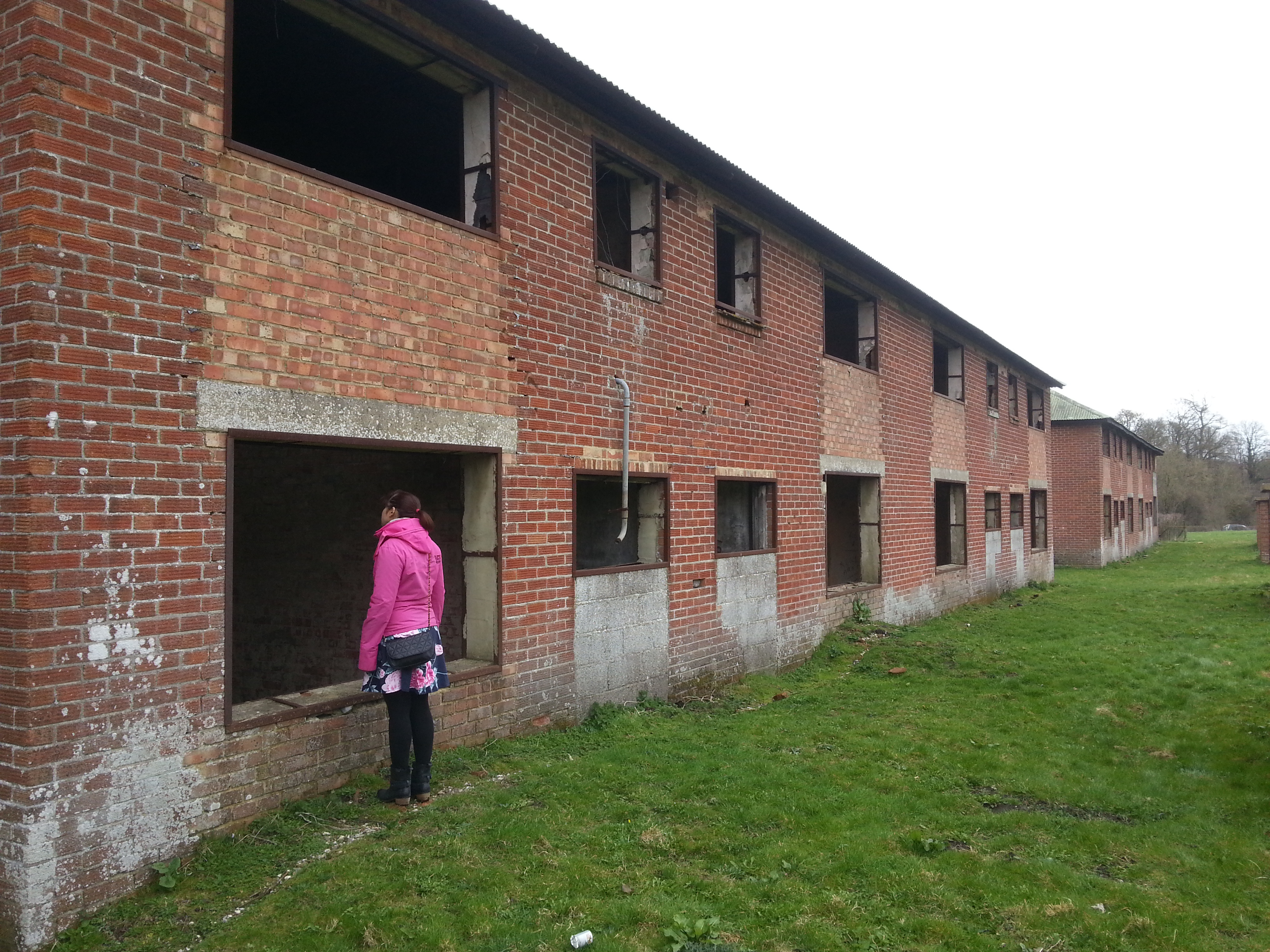
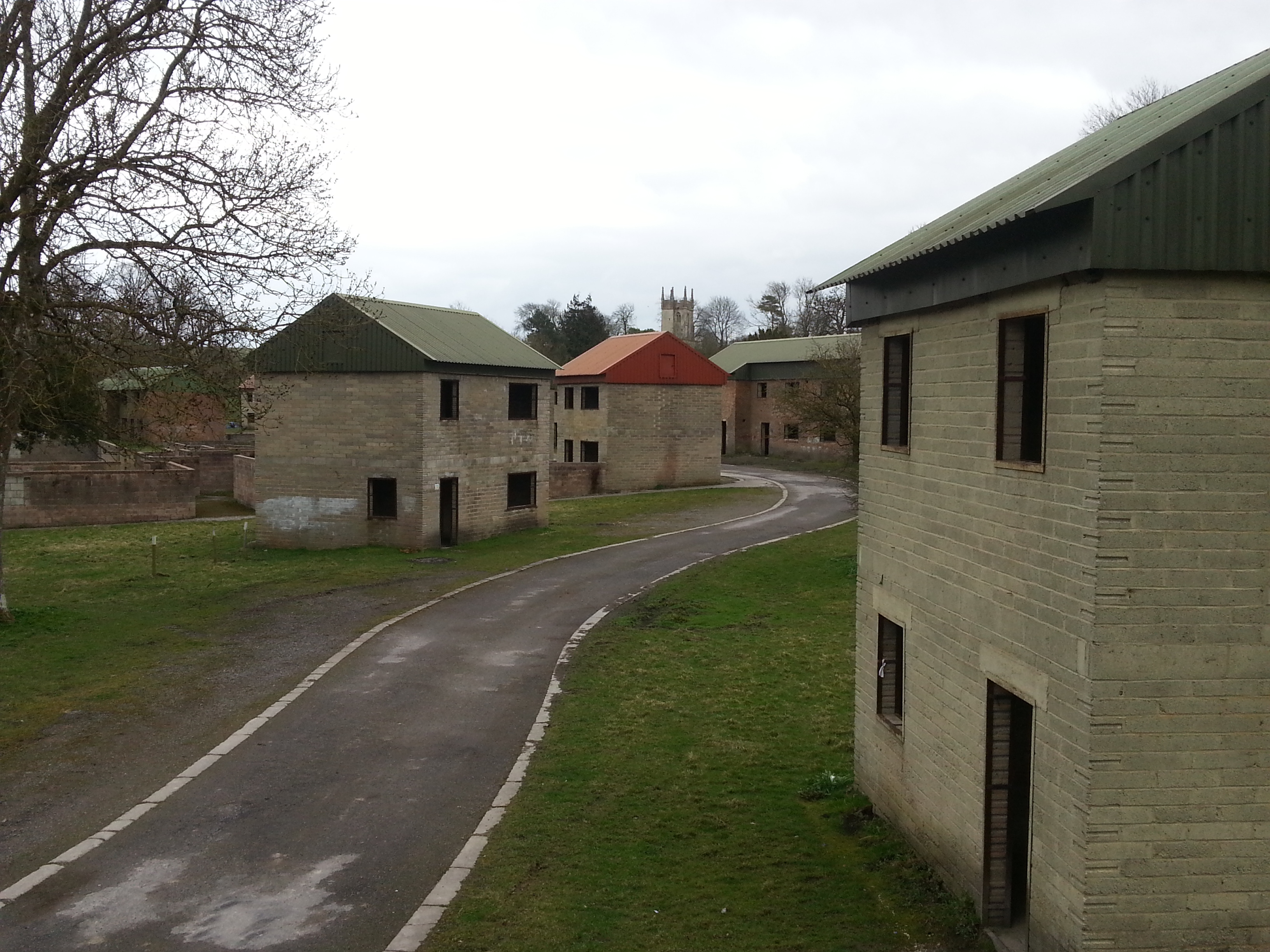
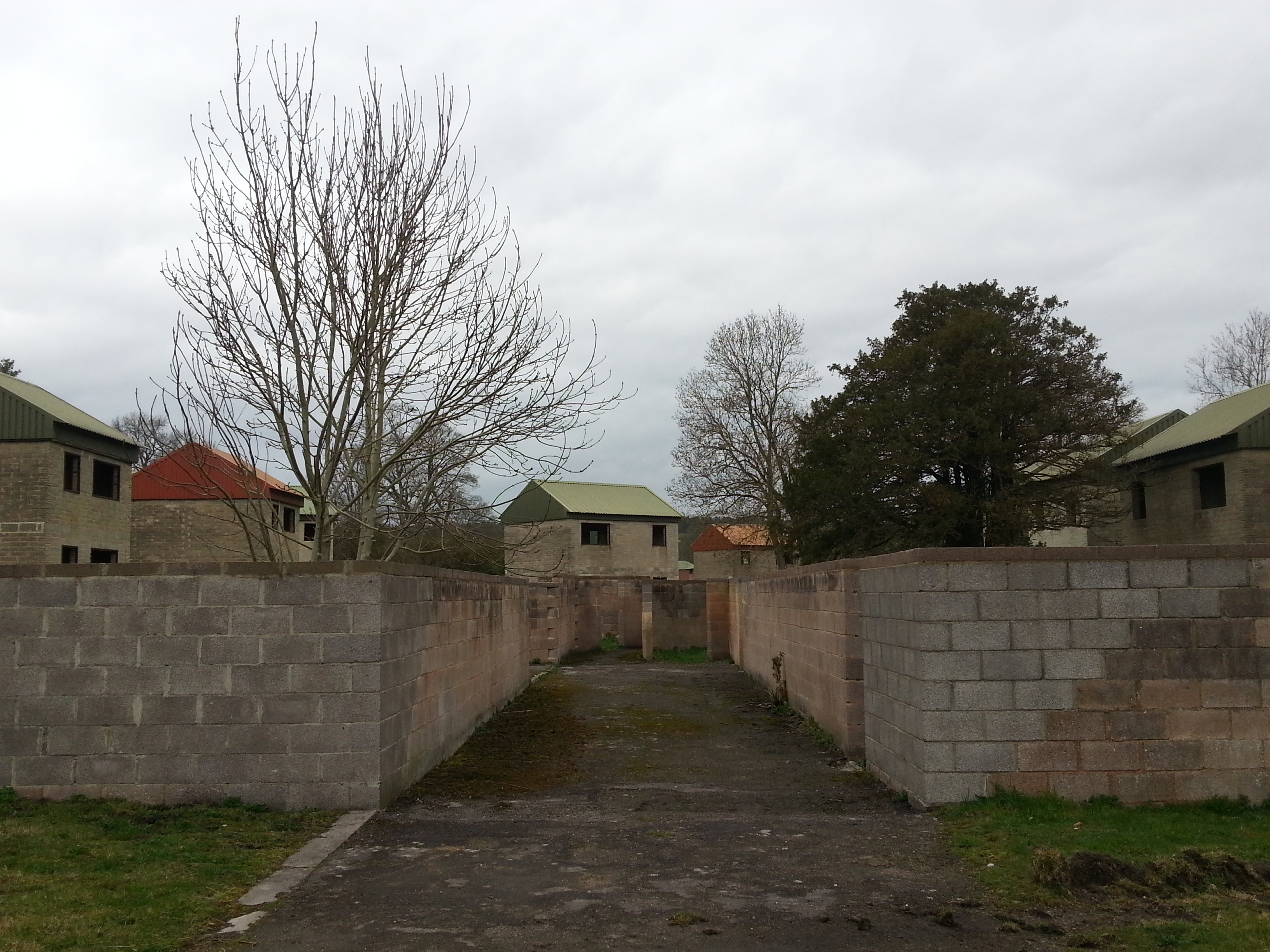
Today there isn’t much those evictees would remember. A map, also part of the church display, illustrates just how few of the original buildings remain, the bulk of them replaced by artless, uniform constructions made of breezeblocks for training purposes. Our visit began between two such residential sections, leaving a layby through a gap in the hedge and walking through a field up behind some houses to the main ‘street’. Had we appraoched from the road we’d have seen that the public were not supposed to venture this far, but in truth there was no real reason why people shouldn’t. Bypassing the rulebook in this way allowed us to enter some of the houses and poke around, and the experience was richer for it. Don’t expect to see much inside, but it does offer some insight into military training techniques.

20150404_11463820150404_115239

Walking down the middle of this residential road is perhaps the eeriest part of the day. Call of Duty veterans might sense something Prypiat-like in the empty streets, perhaps exacerbated by the featureless, functional architecture feeling distinctly ‘Soviet’. Even the Bustette, a gamer by no one’s definition, said it made her feel like she was inside the Playstation. But let’s not get too ahead of ourselves, those expecting the untouched remains of a genuine ‘ghost town’ will be disappointed. There are no swimming pools or crumbling ferris wheels, life and its symptoms have long since been extinguished. Imber’s houses are a collection of shells and little more, to understand that beforehand will allow you find interest in what remains, to expect anything more spectacular will likely leave you disappointed.

20150404_115821

To learn more about what we were seeing, we made the church our next stop. This is both the hub of any visit and the only part of the village still in any way active, opening up for Easter and Rememberance services each year. The displays inside are informative, if slightly too focussed on the church itself at the expense of the village as a whole, and you will also find stalls selling tea and biscuits to set you up for the day.

20150404_113950(0)20150404_120316

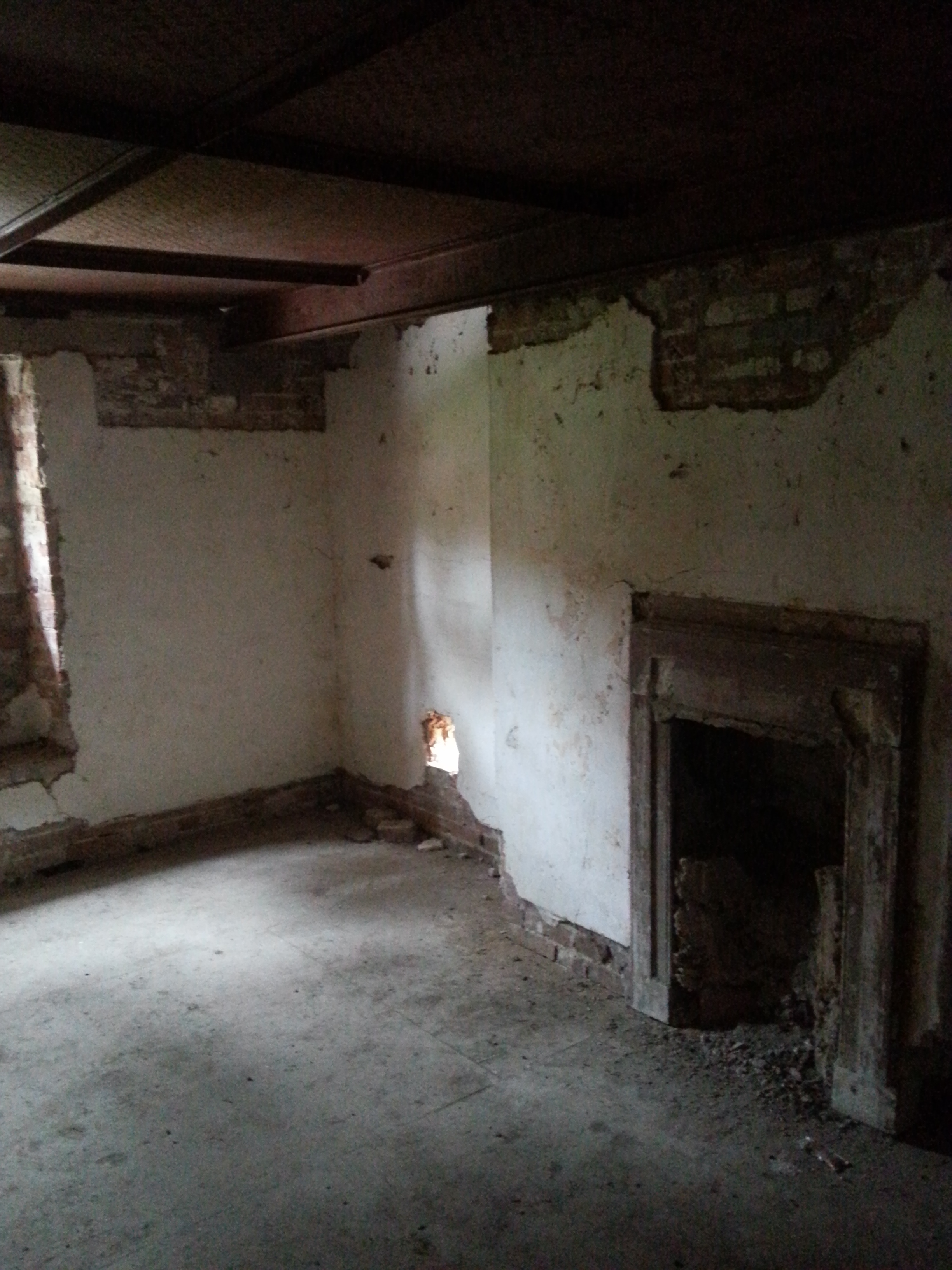
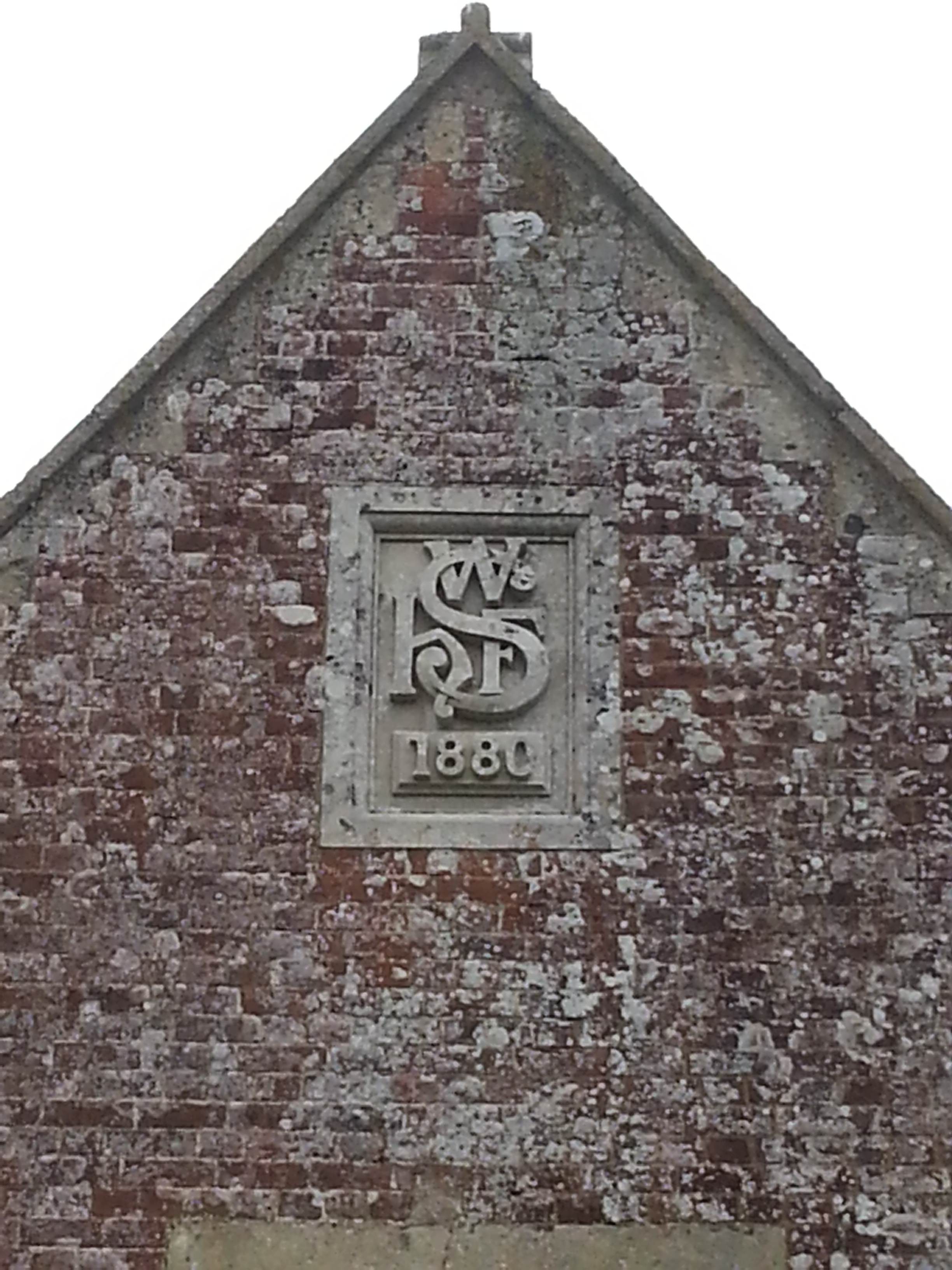
After steeling yourself with knowledge and refreshments, there are a few older, original buildings to explore, each one completely gutted but still offering occasional clues that once they were busy, active homes and businesses. The building date on the side of the farmhouse, for example, and a fireplace in a bedroom of the old inn. Small things, but salient reminders that people once played out their lives here.The inn is particularly worth exploring, with various nooks and crannies spread over three floors, even if, like most of the buildings, it has been adorned with its fair share of graffiti.

And really that’s all Imber is, just a few totally empty buildings to sneak around. Plenty of excitable children enjoyed charging through but it should always be remembered that this is only a very occasional tourist attraction. The set up is unapologetically geared towards its day job rather than to proivde visitors with things to do, but I say all this to temper expectations rather than put people off.

Imber isn’t really the ghost town that the invited press make out it to be, but that doesn’t mean it isn’t worth visiting. The remnants of its past are few and far between but they are there and they combine with the newer structures to offer something slightly haunting about the atmosphere. Perhaps it’s not the most spectacular but on the rare days when the doors are opened it is an essential for those interested in either recent history or today’s military.

Cost: Free

– Parking is available in the village either on the main road or in a layby. Arrive early as the crowds will pick up sharply from mid day.

– Be wary of using technology to get there. Google Maps took us to an old barracks on top of a hill a couple of miles away. The village church website offers good directions.

The Devil’s Stones

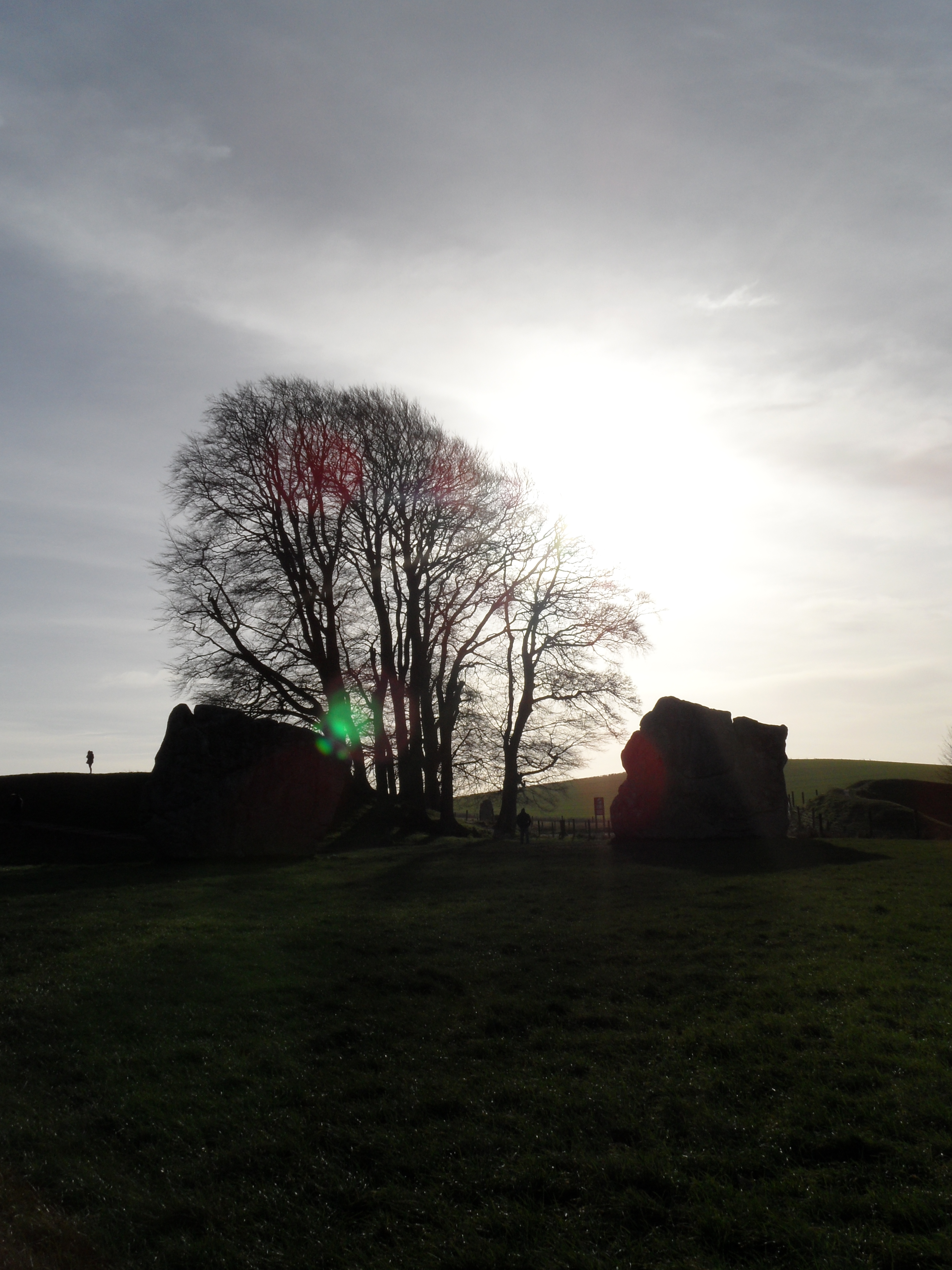
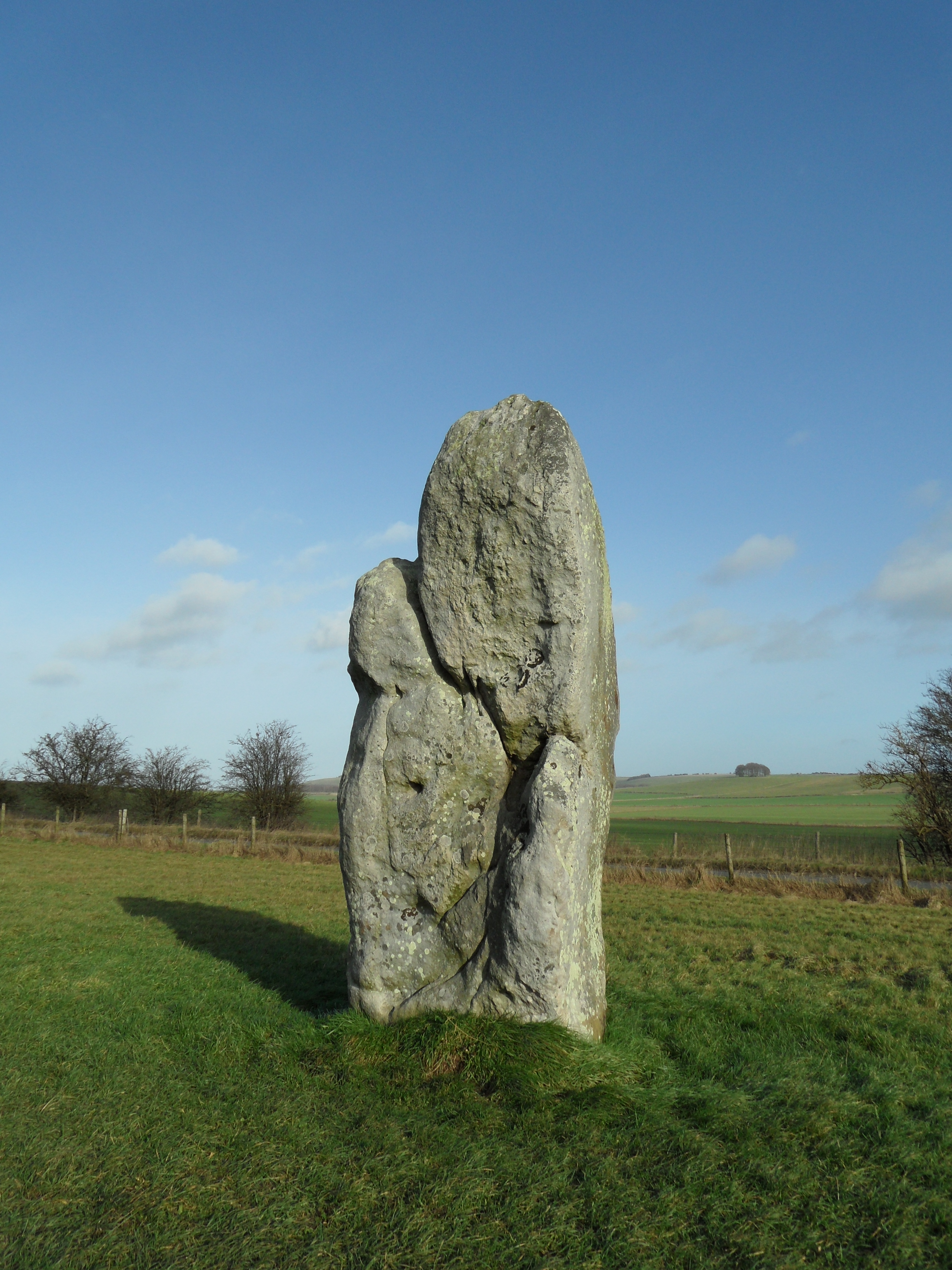
If there’s one thing Wiltshire does well, it’s stuff that’s very, very old. If you want to see structures that were as ancient as the Colusseum is now by the time anyone in Giza had started stacking blocks, Wiltshire is the place to come to. Of course, one such structure stands out above the rest in terms of notoriety but, in the interests of not overplaying our trump card, that particular place will remain unmentioned until the time comes to actually visit it. Instead, this weekend we spent a bright winter morning walking around the biggest stone circle in the country at Avebury.

SAM_0830

What is striking about the site, when compared to many other ancient monuments, is the way in which the world has woven itself into the fabric of the place as opposed to standing off at a safe distance. Thousands of cars travel daily along the busy roads which cut straight through the circles, while the village itself has grown into its midst like a creeping plant working itself through the cracks of a building. This is not necessarily a bad thing though and it once again speaks of the charm in the way Wiltshire displays its past. This is something I have spoken of before, that history here, with the exception of the-place-which-shall-not-be-named, does not hide itself behind barriers or glass cases, it’s just there and you are free to touch, prod, poke and generally experience it as you see fit.

SAM_0853

It was our good fotune that we turned up on one of those rare events, a bright January morning on which the sun shines and the green grass glows against a cobalt blue horizon. But an in-depth account of our wandering is not going to interest anyone, rather it is the story of the place itself which provides the magic here.

While the nearby West Kennet Long Barrow marked a change in human habits from nomads to settlers, Avebury, constructed around 1000 years later, is evidence of advanced agricultural techniques affording people more time for what might be informally termed ‘dicking about’. After all, why waste your day building a whacking great stone circle when you’ve got hunting and gathering to be doing? A farm full of crops allows attention to be directed elsewhere, from which point a pretty direct line can be drawn through the asking of Who, Why and How towards the building of ceremonial monuments to celebrate the religious beliefs which answered those questions.

The exact purpose of Avebury is, inevitably, unclear. If it was born of rudimentary religious beliefs then theories lean more towards appeasing malevolent spirits rather than praising any kind of bountiful deity. It could have geographical, it could have been a site for funeral ceremonies, it could have been astrological. In truth, for all anyone really knows simply shurgging and saying ‘They just got up to some weird shit in those days’ would be no more or less accurate.

Whatever the reason, people tired of it after around 1000 years and during the Iron Age it was laregly ignored, with locals carrying a vague notion that someone, somewhere must have built it but not really giving much thought as to who or why. In around the 14th century things started picking up again, with villagers’ new-found Christian beliefs apparently leading them to believe the stones had been erected by the Devil and therefore had to go.

So down came the stones, pulled from their millenia-old perches and rolled into nearby pits. This is a shame for the purists because now there are small-ish concrete markers where once stood grand megaliths, but viewed through the prism of rampaging villagers it actually makes things more interesting. Wiltshire, remember, does not do pristine, it does real people. A few years into this process of destruction, one large stone fell and landed on top of a man, believed to have been a barber or surgeon, and crushed him. This, the locals felt, was an act of vengeance from the Devil himself and from that point on they shied away from doing any more of the Lord’s work. The crushed man remained in local folklore as late as the 19th century, although by this point more stones were being torn down for building material.

SAM_0864

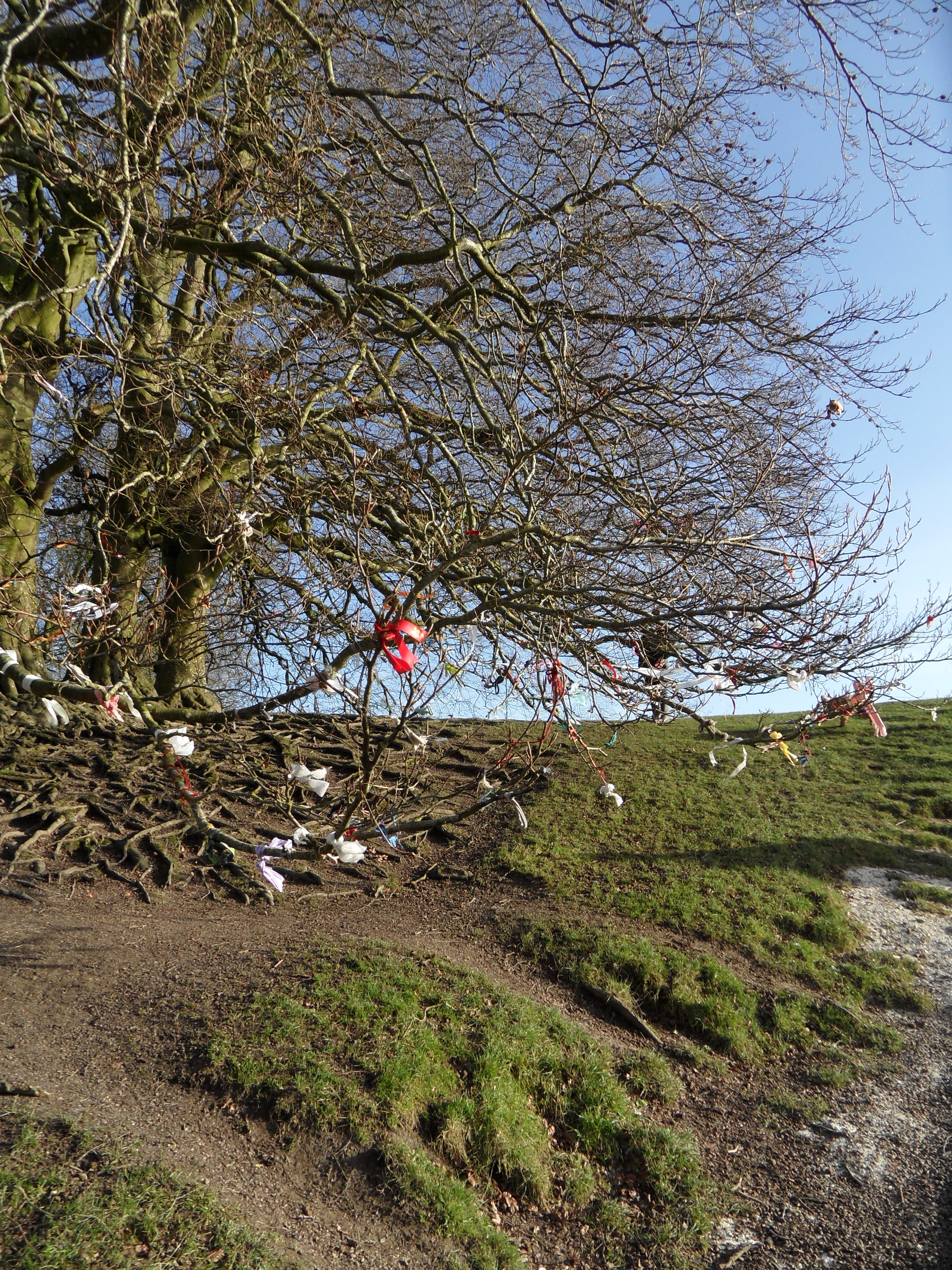
Today, much like the county’s other ancient monuments, it is viewed as a living temple by practicitioners of modern paganism. Half way around the walk we encountered a tree with assorted ribbons tied to its branches, offerings by visitors who have pilgrimmaged here. Whipping in the wind, the colours seemed incongruous with the rest of the site and we weren’t the only ones to stop and examine them wearing puzzled looks on our faces. Across the road, spiritual offerings are replaced by a goat field, the chewing animals meandering through the ancient stones with all the blank disinterest of an Iron Age villager, gazing up passively as you walk next to them.

SAM_0834

Further round it is the village itself which disects the monument. From here you can visit the museum or, in warmer months, the manor house, the recent restoration of which was the subject of a BBC documentary. Alternatively you can simply carry on enjoying the outside, examining the old stones, walking along the bottom of the even older henge, whose grassy walls rise high up on either side. How you explore is your choice, history is yours to do with as you please.

Cost: Free to walk around the circles. Parking £3 for the day or free to National Trust members.

Salisbury at Christmas

So the Bustard has taken something of a cluckin’ hiatus recently and for that apologies must be due. Such is the life of the opportunistic ‘travel’ blogger, it seems. But fear not, for I have returned and I bring seasons greetings from the Salisbury Christmas market.

My girlfriend and I do like a Christmas market: we have regularly frequented those in London at Winter Wonderland in Hyde Park and along the South Bank. Indeed, so keen are we that we have even agreed so set aside some money each month in 2015 so that this time next year we can venture to an as-yet undecided city in Europe to take in one of the Continent’s finest. So when we came across the website for Salisbury’s own offering, and saw their boast that the Telegraph put it amongst the top 5 in the UK in 2013, we had to go and have a look.

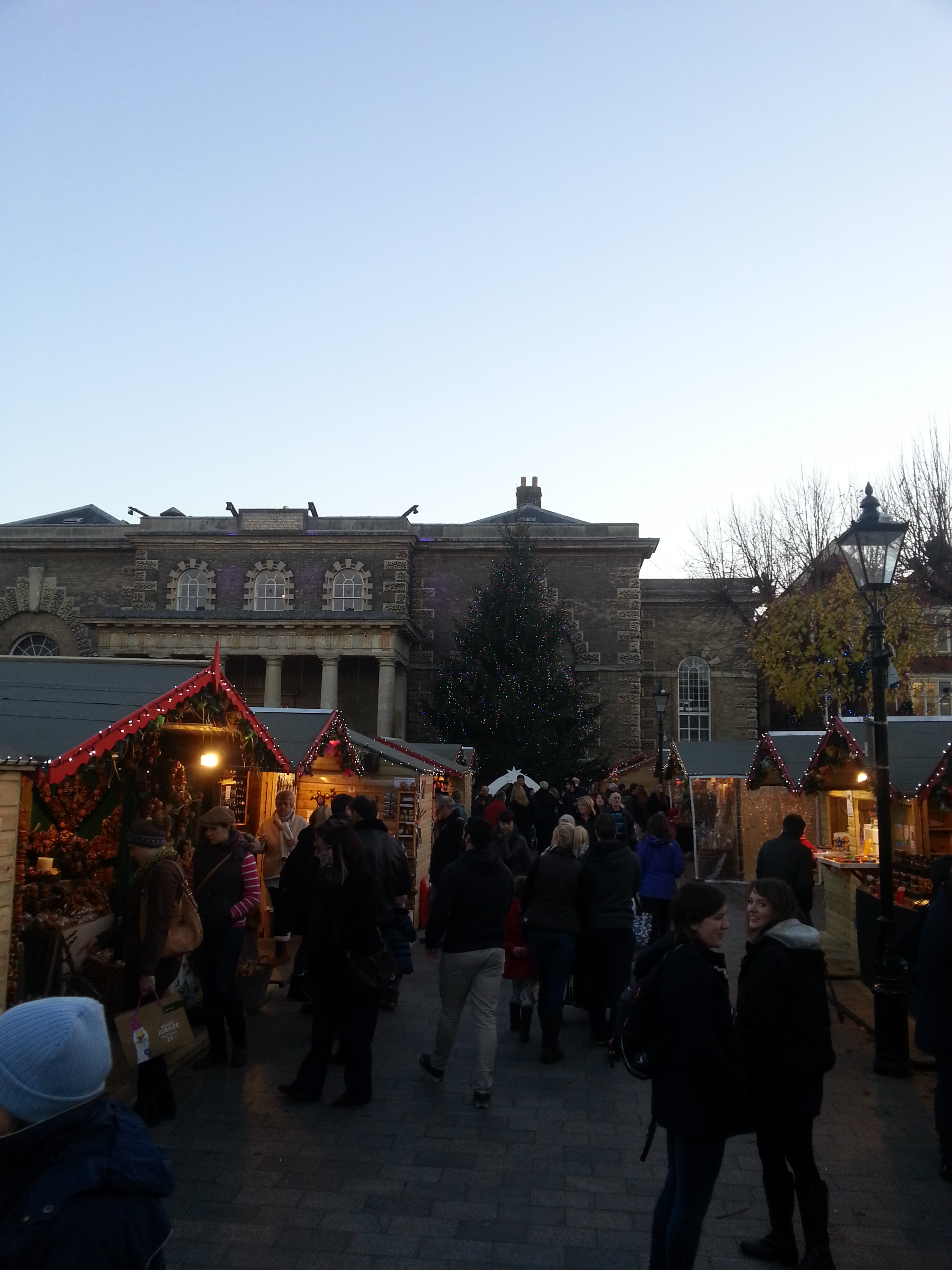
The weather was certainly on our side. Crisp blue skies delivered bright sunshine that defied the gloomy forecasts but still held that wintry chill which seems so crucial to any festive event. Wrapped up against the sharpened air, the bar, of course, was in mind as we crossed the river towards to the market place.

On arrival it became apparent that the regular traders in the town’s central square had not given up their posts to allow for their seasonal counterparts, and so both the regular and Christmas markets traded side by side. This, in turn, reveals the one great weakness of the Salisbury market when held up alongside the competition, its size. I don’t have the exact parameters, but when walking around it feels little bigger than a tennis court and what we’d hoped would provide for a full afternoon’s intense wandering instead only filled half an hour or so.

So that’s the downside, but it isn’t all bad news. On first entering we did as everyone must at these events and got ourselves some mulled wine. It was sweet and genuinely spiced, the real thing as opposed to the industrial-sized plastic tubs of glühwein which are poured into heating canisters at the larger fairs and this typified the market as a whole: what it lacked in quantity it made up for in quality.

Because it was done on a smaller scale, more attention could be paid to each detail. The stalls were all deliberately selected rather than simply hearded in, the whole thing felt more considered and less mass-produced. When you go to Hyde Park you can browse masses of stalls but then you will find exactly the same ones on the South Bank as well; Salisbury was about real people selling their own products. Sure there were things that you can find elsewhere too, but there was a definite authenticity about this one that the larger ones can lack.

20141207_154654

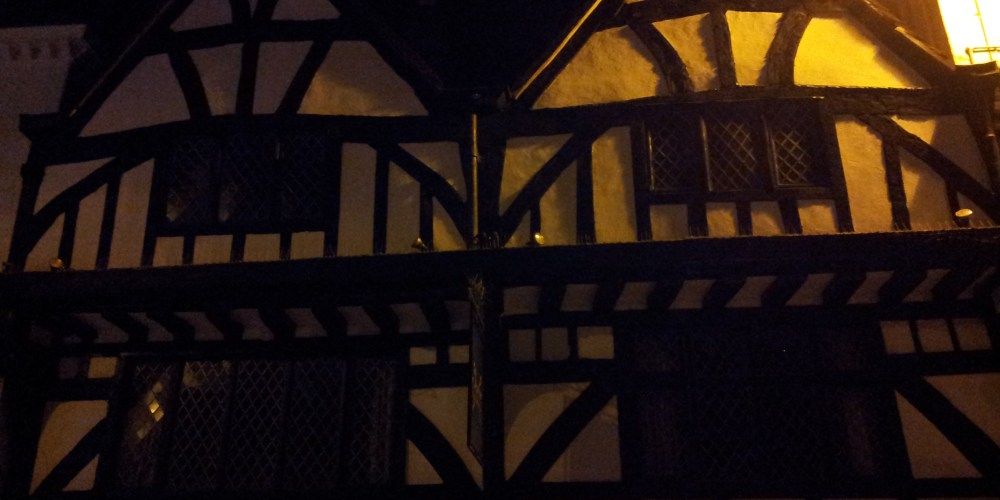
After my girlfriend purchased something for her friend’s newborn daughter we left the market and walked for a bit around the beautiful city centre which is an attraction in itself, all tightly packed streets and overhanging timber framed buildings. But we hadn’t planned to need this detour, and that was the problem which gave us a slight feeling of anti-climax.

Because in truth you don’t really go to Christmas markets to do some shopping, you go for the fantasy world they take you to. A world of wooden chalets, fairy lights and Bavarian mountains that rediscovers some the magic with which Christmas was filled when you were a child. The trouble with a market as small as Salisbury’s is that reality is always just over the roof of the nearest stall; the beautiful reality of Salisbury’s city centre, yes, but reality all the same.

We will be going to Winter Wonderland this weekend and for all its crowds and its commercialisation, some of that magic will also be present. Others may disagree, they may be more pragmatic and feel that the hand-picked goods trump whatever intangible, Disneyland fairy dust it was I wanted to find, but that would be to miss what is, for me at least, the whole point. While the Salisbury Christmas market was of unquestionably high quality, and may provide the solution for anyone stuck for presents this year, it never quite managed to make us lose ourselves in that special thrill of Christmas. In short, it never managed to make me a child again.

Art in Motion

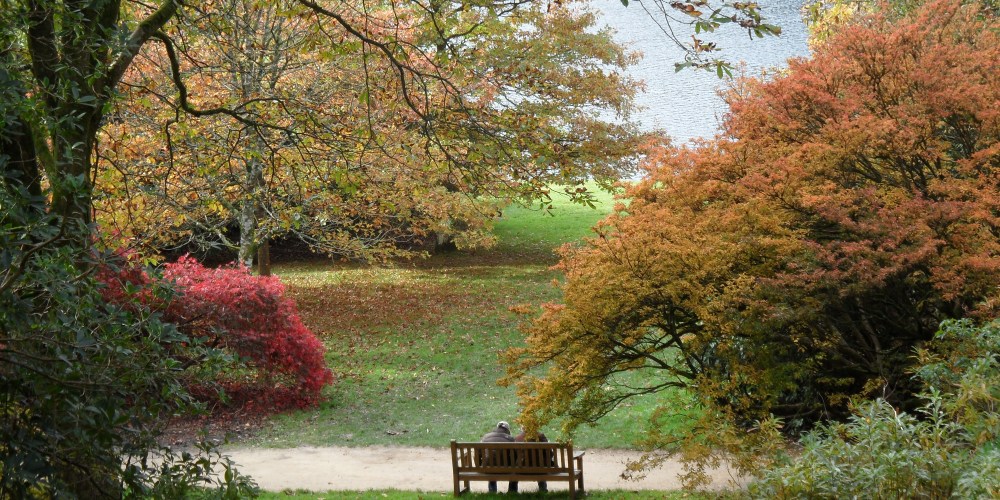
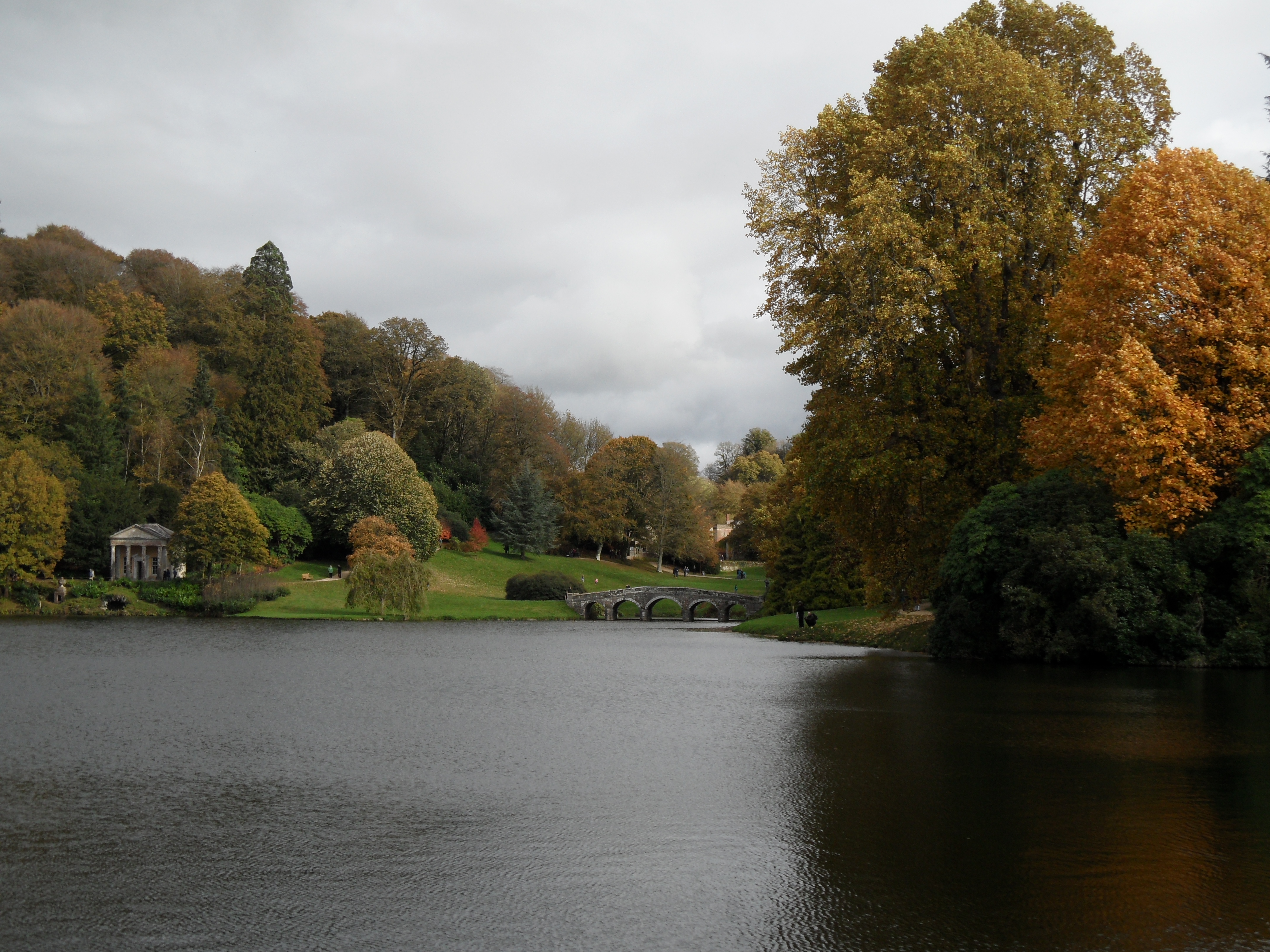
As far back as the 1740s, the gardens of Stourhead were described as ‘a living work of art.’ The National Trust is particularly proud of these words and understandably so, for they encapsulate the reason why so many visitors pour through these gates each year. It might seem a rather indulgent review, but while walking around the grounds it doesn’t require a huge leap of the imagination to envisage your surroundings brushed across canvas by one of the great landscape masters. Orange, gold and powerful red leap from the various shades of green, all reflected in the sparkling lake. Indeed, the garden was even designed through an artist’s eye, with everything laid out so dark and light colours would provide one another with contrast and relief.

‘Mid-October to mid-November is the time when Stourhead truly glows,’ the Garden Manager is quoted as saying, and advice from such authority should be well recieved. The weekend we had chosen was a particularly busy one, with the grounds in the middle of their autumn peak as well as being the last one before the house closes its doors for the winter, but all the same the crowds were not too ferocious.

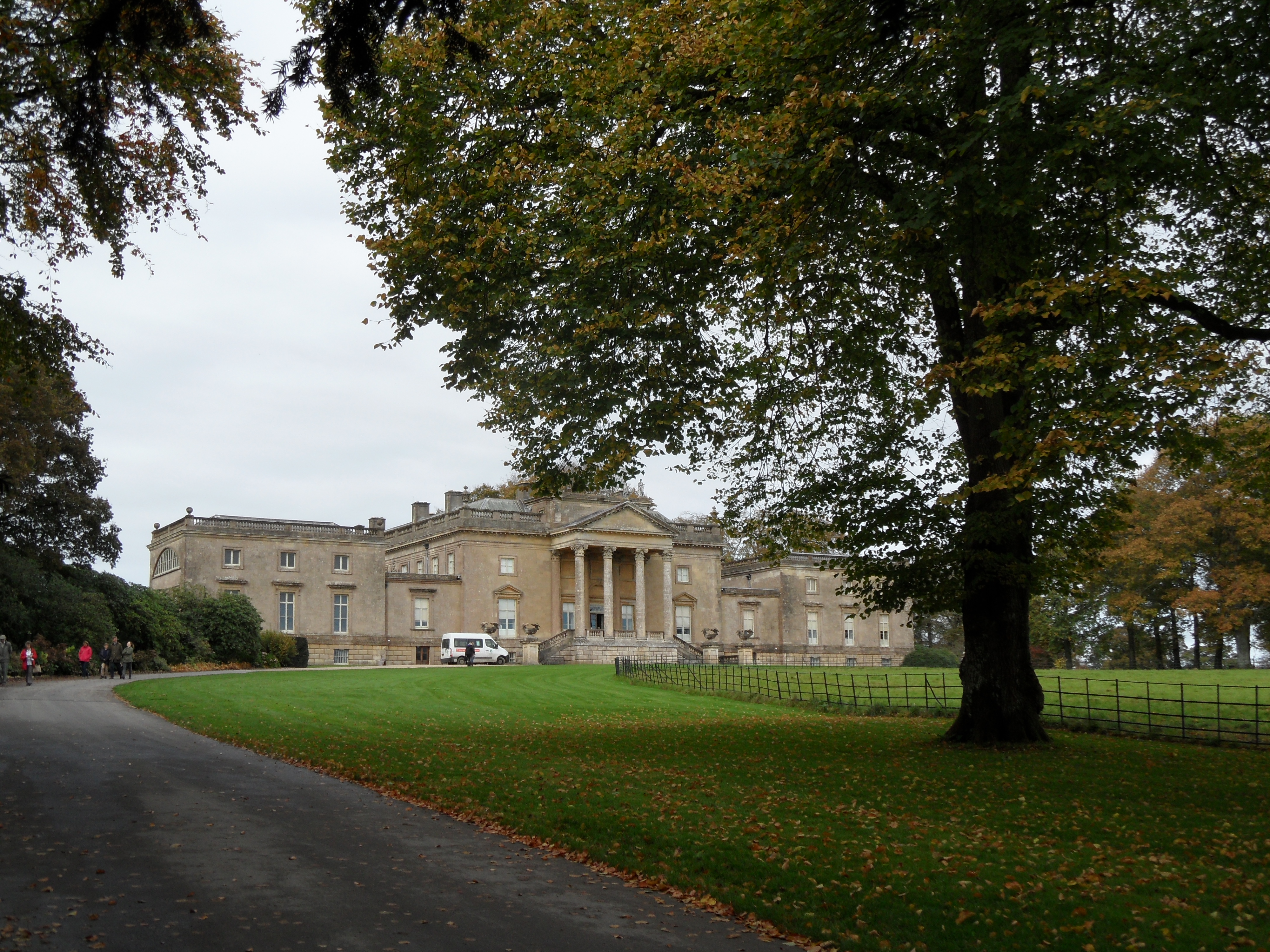
We allowed ourselves to be guided by the map we’d been given on arrival and, before the gardens, we followed the main driveway up towards the house, its grand stone facade revealed step by step as the flanking trees peeled away. According to Wikipedia, a miniature replica of the mansion was used as Lady Penelope’s home during the original Thunderbirds TV series, a wonderful fact if true and one that maybe the Trust could play on to enthuse children. As it is, they have this year brought in another feature to give something extra to the house, ‘Harry’s Story’, the tale of Harry Hoare’s childhood at Stourhead and eventual death in Alexandria during the First World War. It adds a human element and alongside him, of course, is reflected the decline of the nobleman, from lord of all he surveys to a relic of past times, clinging on to a rapidly receding relevance in the twentieth century. The story of the fire which destroyed large parts of the building in 1902 is also striking.
SAM_0733

Despite the charms of the house, I couldn’t help feeling that going round it didn’t add a huge amount to the day as whole. It is undoubtedly a beautiful building but it isn’t presented in a way that feels particularly engaging. Many of the rooms are cluttered, as though the curators felt that every single item available to them must be crammed in and put on display when actually it may be a case of less is more. Of course, this is nothing more than my own perception, and many of the other visitors looked pretty well engrossed in the various exhibits, but I would rather be made to feel like I’m being taken back in time to see the house as it was lived in and at no point did I really feel under any such illusion.

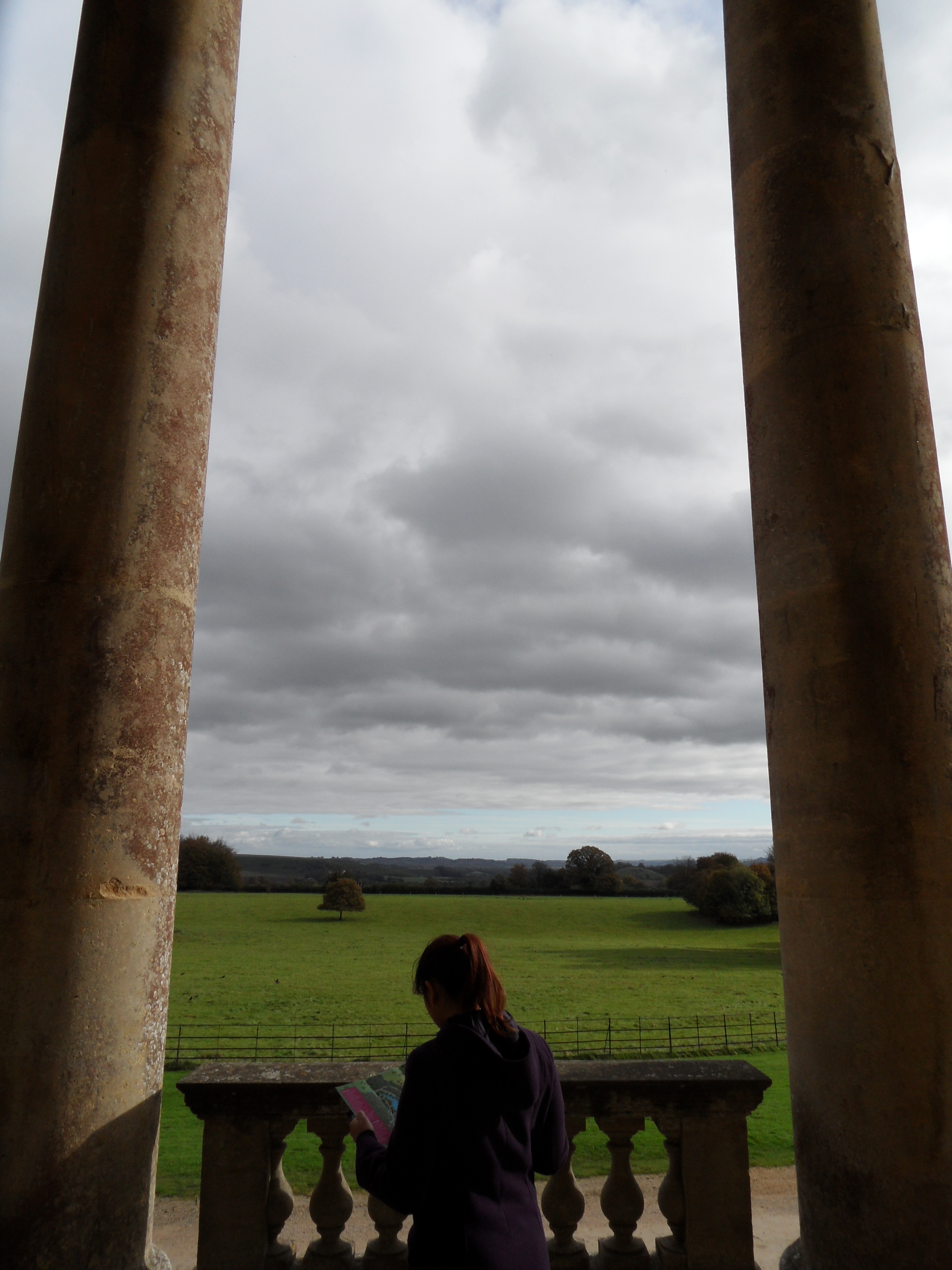
View from the portico of Stourhead House.
View from the portico of Stourhead House.

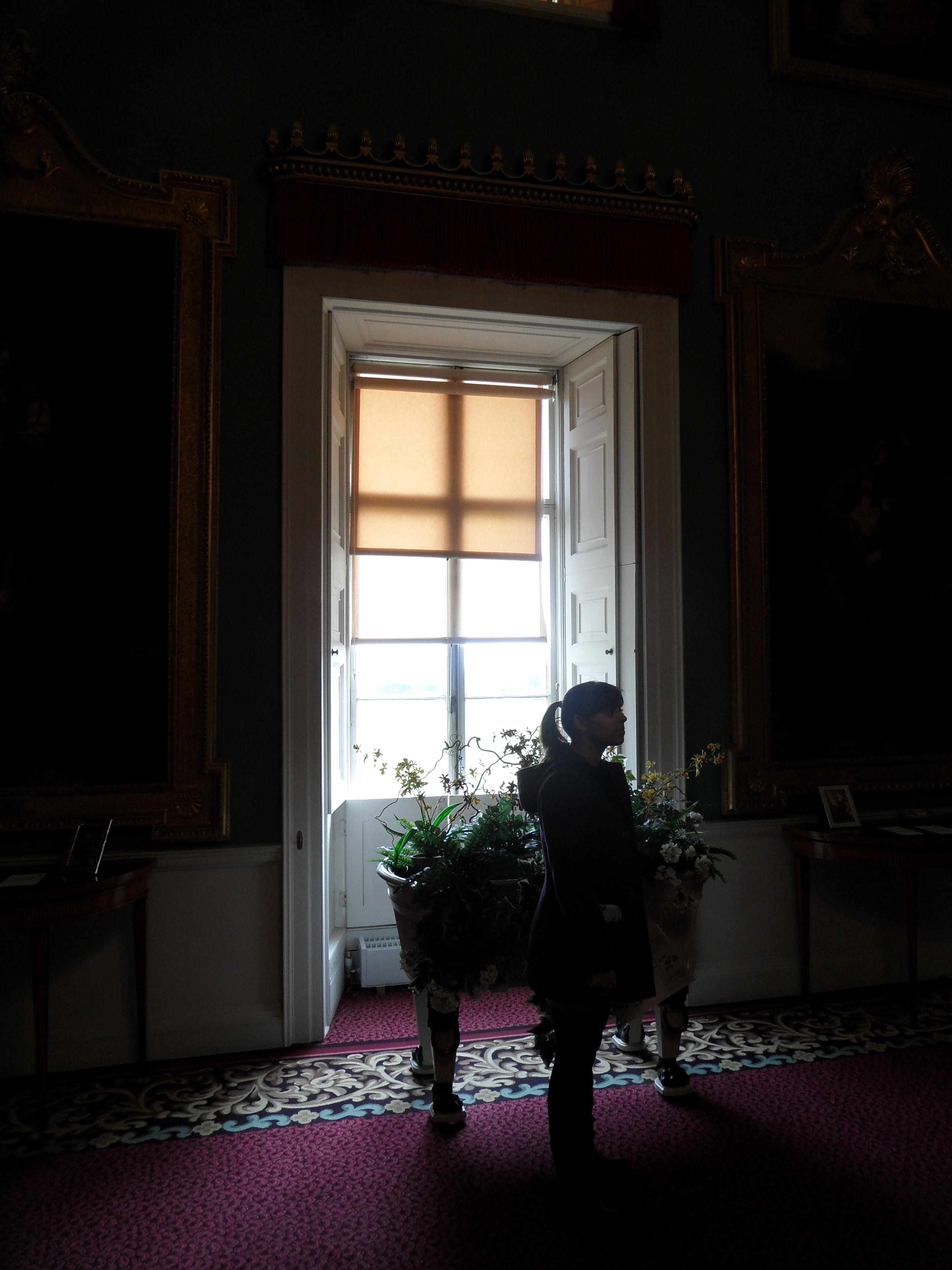
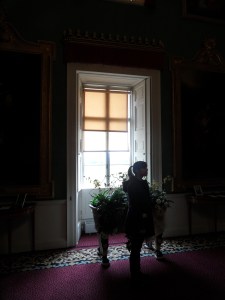
The sun spilling into the Painting Room.

The sun spilling into the Painting Room.

That is but than a minor quibble though, for the simple reason that nobody really comes to Stourhead for the house.

On we went, then, to the gardens. Their development draws on the principles of ‘genius loci’, using each added feature not just to thrill in its own right but also to provide a frame and viewpoint to the rest of the garden. With every step you are immersed anew inside a masterpiece; from every angle the effect is beautifully picturesque. The words of Alexander Pope, used to popularise these ideas, are engraved on wooden plaques near to one of the three temples which surround the central lake.

“Consult the genius of the place in all;
That tells the waters or to rise, or fall;
Or helps th’ ambitious hill the heav’ns to scale,
Or scoops in circling theatres the vale;
Calls in the country, catches opening glades,
Joins willing woods, and varies shades from shades,
Now breaks, or now directs, th’ intending lines;
Paints as you plant, and, as you work, designs.”

It is possible to do guided tours of the garden but we just went at our own pace, as the overwhelming majority also did. After a path wound us downhill, we arrived at the Temple of Flora, a relatively plain offering compared to the other two but providing some of the finest views across the lake from its portico. Understandably, this was one of the Lady of the House’s favourite places to entertain guests, most notably the wounded soldiers who would visit here during the First World War. Just outside, a small piece of land juts out into the water and here, between a willow tree and the Palladian Bridge, we sat down for our picnic. The sky became blue and the sun shone; you couldn’t ask more for a more perfect autumn setting for samosas and cheese sandwiches.
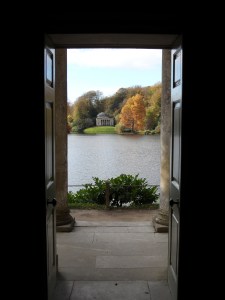
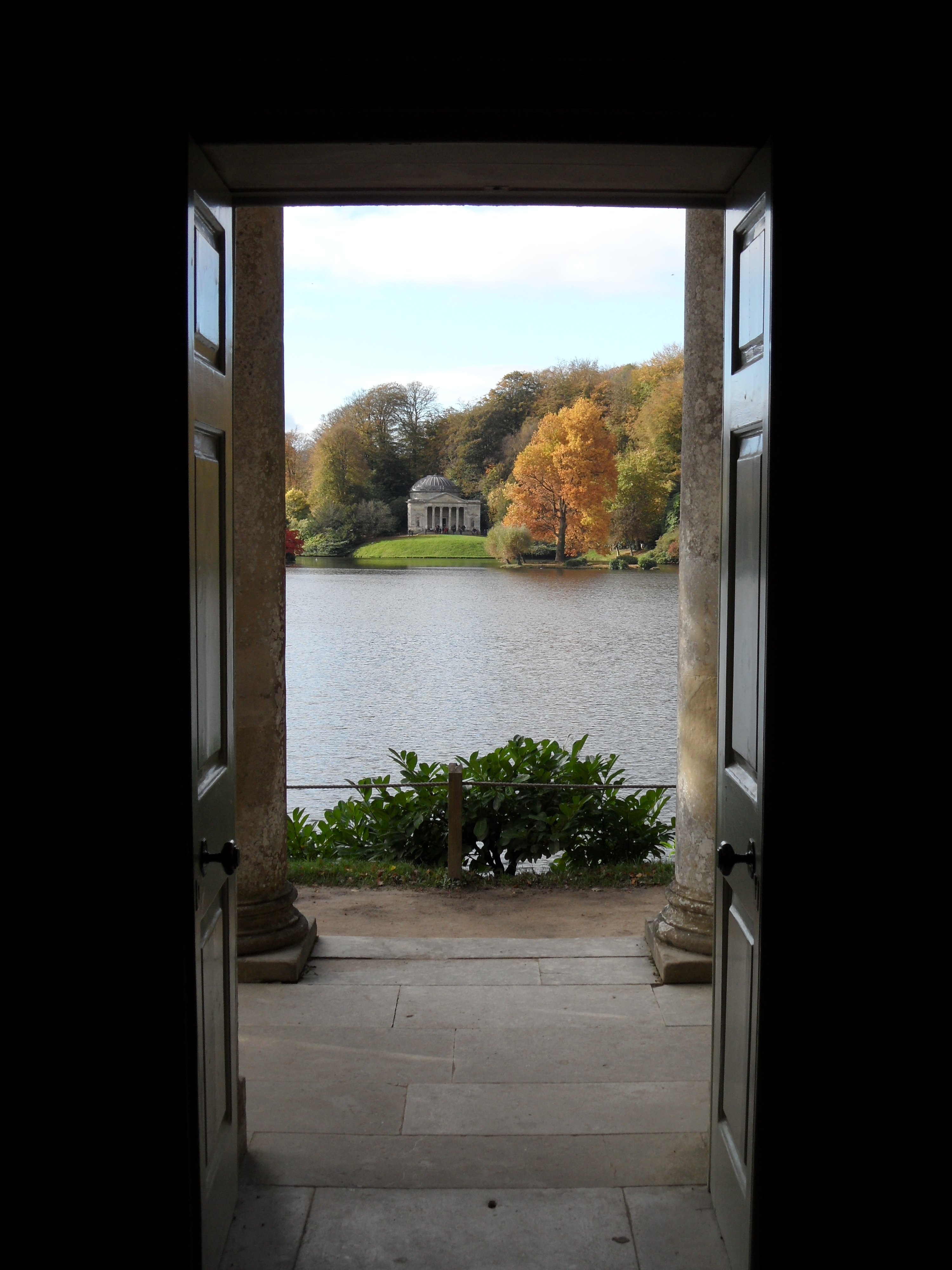
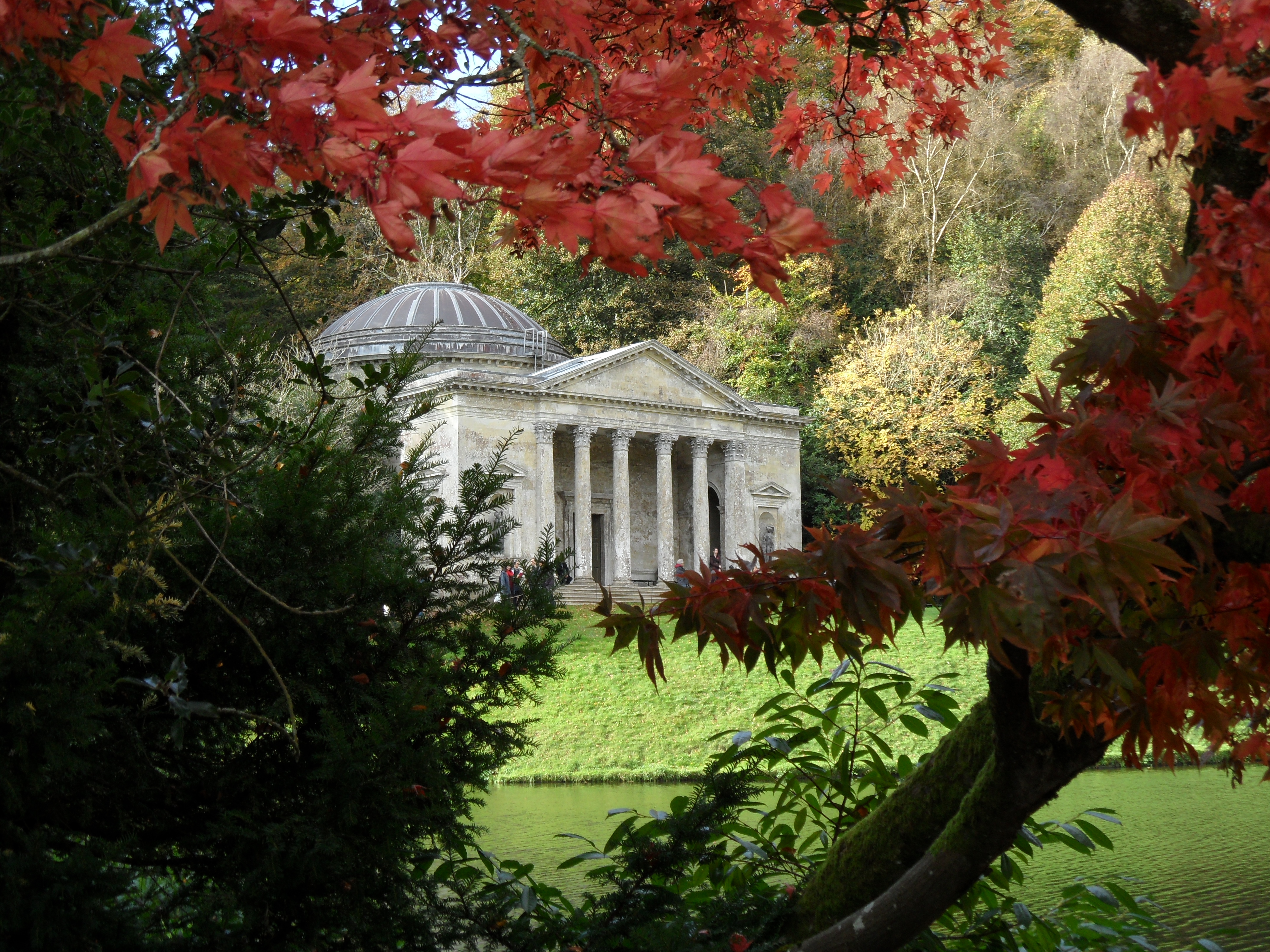
Looking to the Pantheon from the Temple of Flora.

The Pantheon, seen from the Temple of Flora.
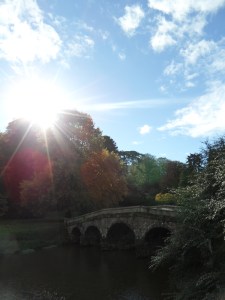
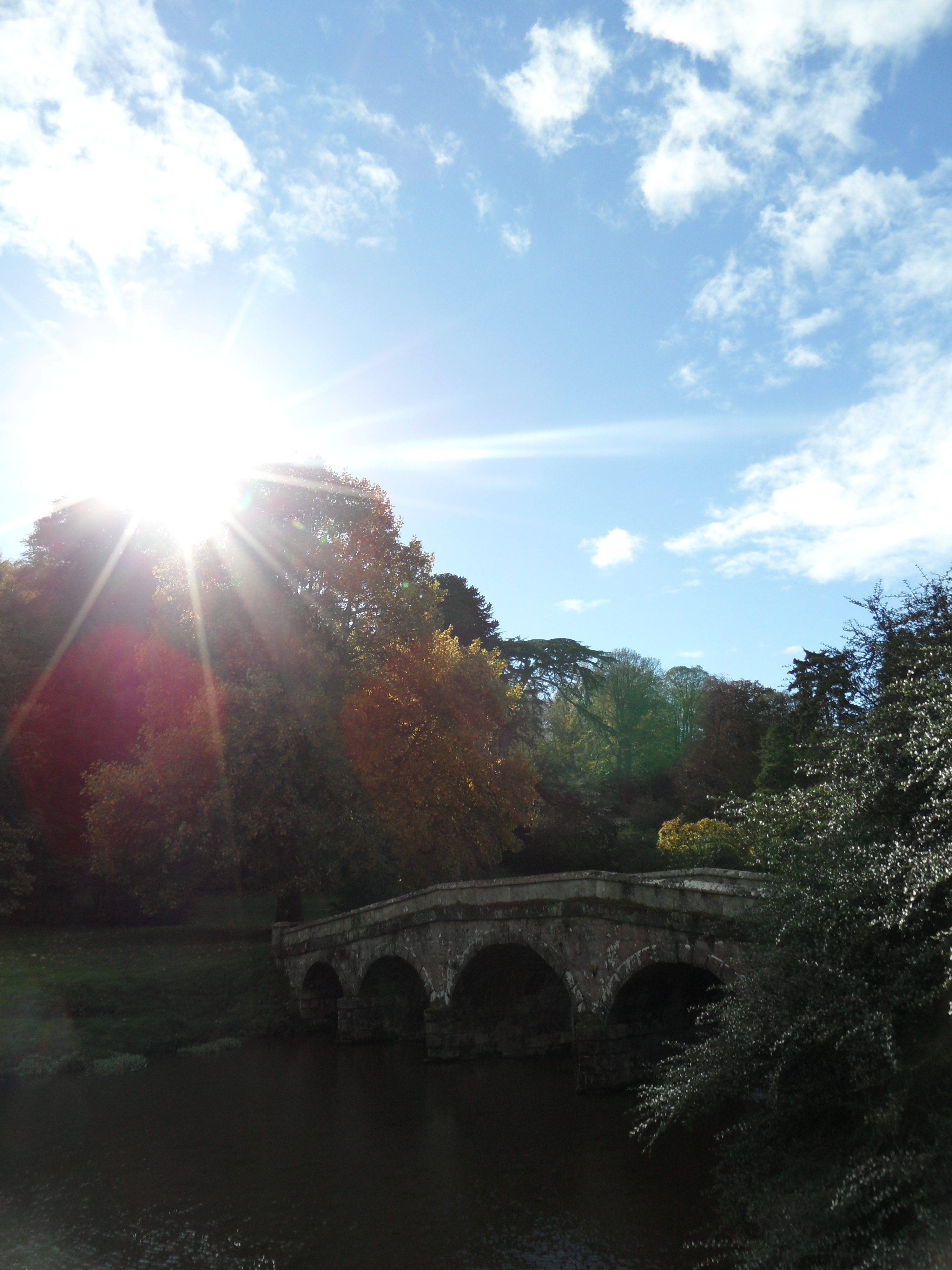
The Palladian Bridge

The Palladian Bridge

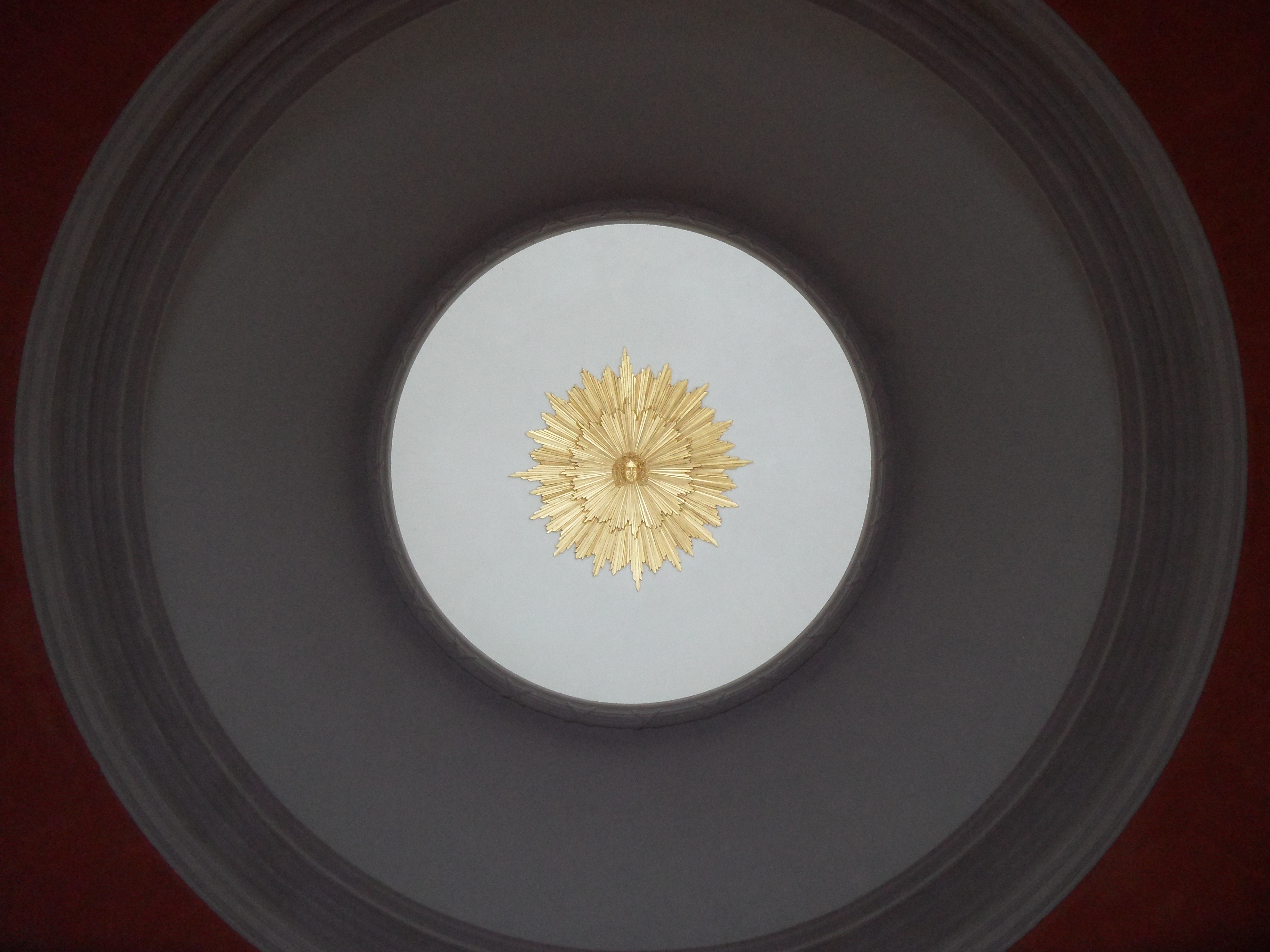
Moving around the lake, a fork in the path gives the option of taking the steep slope up towards the Temple of Apollo, sitting grandly on its perch overlooking the entire scene. Getting there involves walking through a remarkable tunnel made of sharp rocks which hang closely above your head through the darkness, almost spear-like in form. Even more spectacular, though, is the view from the top as the whole garden opens up beneath you and presents nature’s full range of colours. The temple itself is also impressive, boasting a golden relief in its dome which depicts Apollo’s face in the centre of a beaming sun, but as always it is the way in which the building presents the overall vista that is most powerful.

Apollo in the golden sun.

Apollo in the golden sun.

The Pantheon, further round the lake again, is the largest and most important of the three temples. Based on its Roman namesake and the subject of a million Stourhead photographs, it houses statues of various gods under its grandly domed roof. Like the other temples and indeed the house itself, this fascination with the classical is reflected not just in the contents but in the architecture too, and it makes grand statements about the context in which they were built. The great columns and imposing facades could be lifted straight from Athens or Rome and they boast of the British nobility’s power and position as masters of the eighteenth century world. Adorned with heroes and gods, these designs had no room for humility.
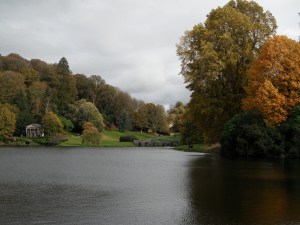
Temple of Flora and the Palladian Bridge.

Temple of Flora and the Palladian Bridge.

SAM_0792

The Pantheon

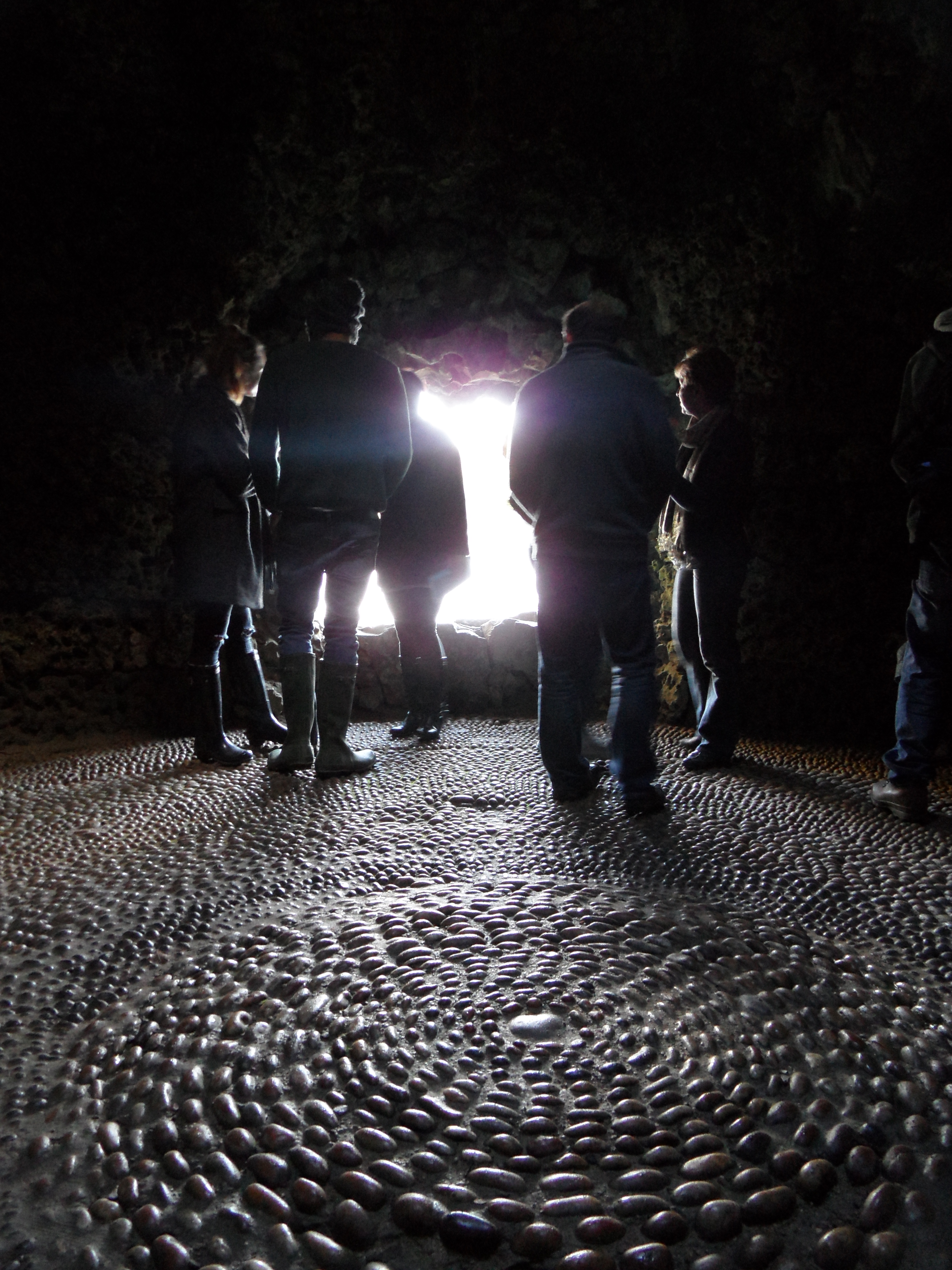
More modest, so much so that it almost feels out of place, is the Gothic Cottage. Built of beams and thatch and perched on the edge of the lake, this hut offers a large open fire and hot drinks to warm you as you make your way around the water in the colder months. The grotto is also well worth the minor detour, featuring yet more classical statues incorporated into water features in a stony cave that opens up onto the lake. The falling water and natural light reflect off the brightly alien alabaster, a combination which made this odd little cave my favourite part of the garden.

The ornate pebbled floor of the Grotto.

The ornate pebbled floor of the Grotto.

The upper part of the circuit offers little variation, but more of the same is a very fine thing in this instance. We eventually exited through the village of Stourton, a tiny hamlet of no more than a few buildings which feels almost as though it is tucked inside the grounds of the estate itself. There are a couple of holiday cottages as well as the Spread Eagle Inn, an 18th century pub serving the most up-market food on the site, generally in the £10- 20 range. The village adds life to the place, but is also where the crowds become most noticeable on a busy day.

The Stourhead gardens are one of Wiltshire’s great gems. The house is perhaps less so but that doesn’t mean it should be avoided as it forms an integral part of the overall package which is so impressive. Each season brings its own charms and pleasures with the rhododendrons of spring being particularly popular. Whenever you visit though, be assured Stourhead will envelope you in a three-dimensional canvas, one which is worthy of even the greatest masterpiece.

Prices: £14.80 per person plus £3 parking. All free to National Trust members.

* * *
The Merchant of Kennet

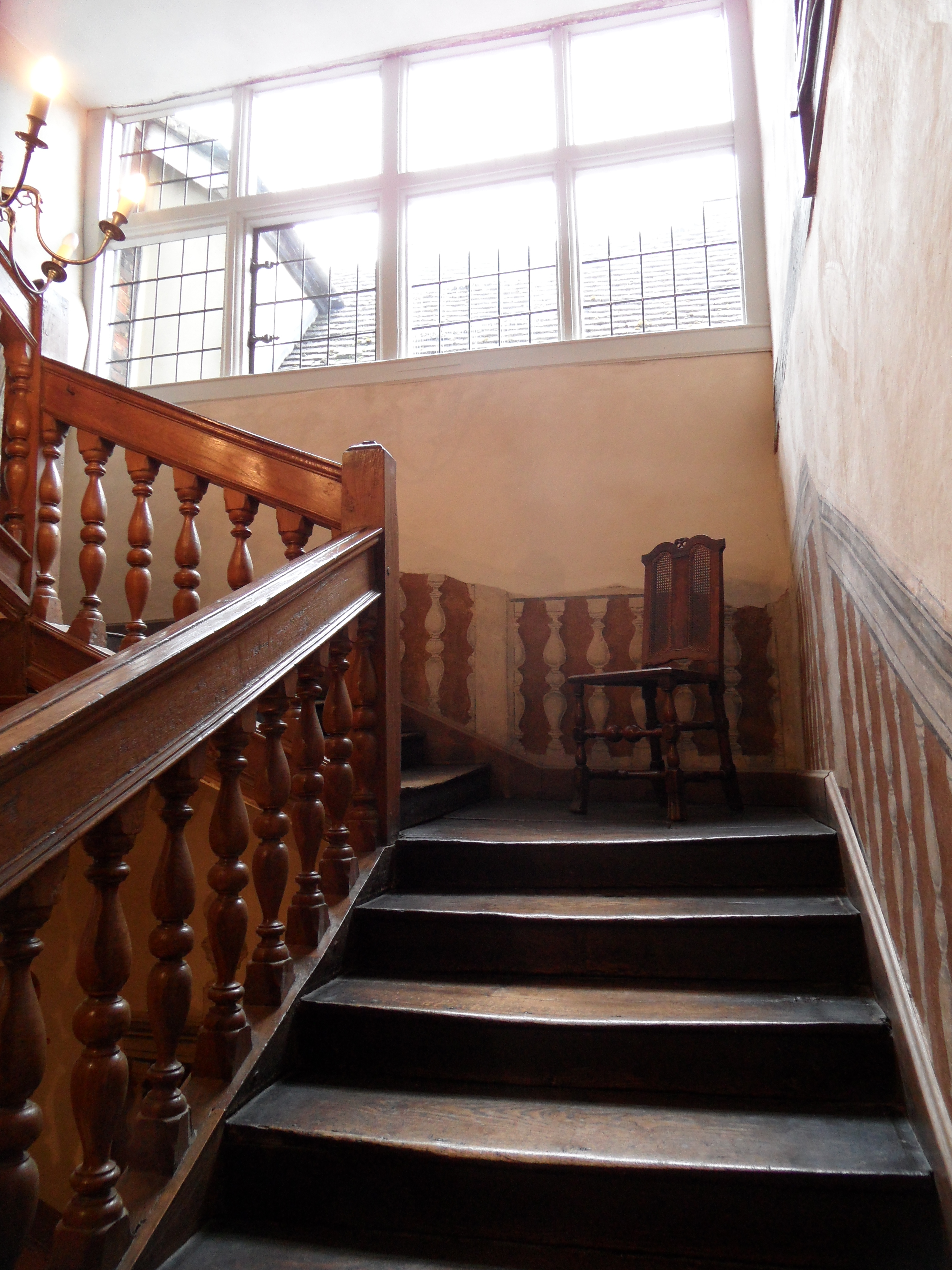
Perhaps it was the whirling, twirling and blaring of the Marlborough Mop in the High Street outside that put such ideas into my head, but the wonky staircase felt almost like it belonged to a ‘Haunted House’ fairground attraction. The oak creaked loudly underfoot, the walls bent inwards under their own weight, the floors were uneven and wavy. All in all it almost presented a caricature of a seventeenth century house, the sort of place a 10 year old might conjure up if tasked with finding a home for an Elizabethan ghost.

SAM_0721

But the Merchant House is far from a circus ride; rather, it is a remarkable piece of history, a living museum filled with fascinating pieces but where the main attraction is the building itself. To understand the House properly we should begin, as the tour does, with a brief overview of its past. In what seems something of a recurring theme of the era, a ‘Great Fire’ swept through Marlborough in 1653, decimating the High Street and much of the surrounding area. Oliver Cromwell, in an act of sympathy for a town that had loyally supported him during the Civil War, ordered a national collection in all parishes to remunerate its people. The second largest individual settlement from this generous pot was granted to Thomas Bayly, a silk merchant, who used it to build himself and his family this particularly fine home.

While the grand estates of the aristocracy and the wattle and daub huts of the poor have all been relatively well represented in TV and film, the homes and lifestyles of the nascent middle classes are lost to us in comparison. It is this rarity which makes the Merchant House and its ongoing restoration such a worthwhile endeavour, particularly as so many of its original features remain in tact.

Entrance is only allowed as part of a guided tour, days and times for which are available on their website, which is taken under the steering hand of one of their experienced and knowledgeable volunteers. Ours was the late Saturday afternoon shift and we were joined only by one other couple, a well-meaning but fairly dour pair upon whom almost all of our guide’s enthusiasm seemed to break imperviously like waves on a beach, but the interest never dimmed as a result.

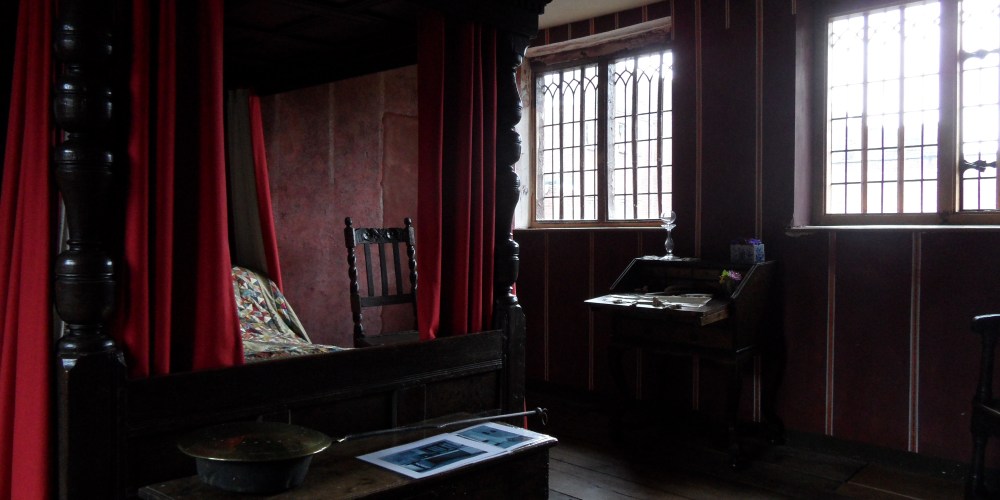
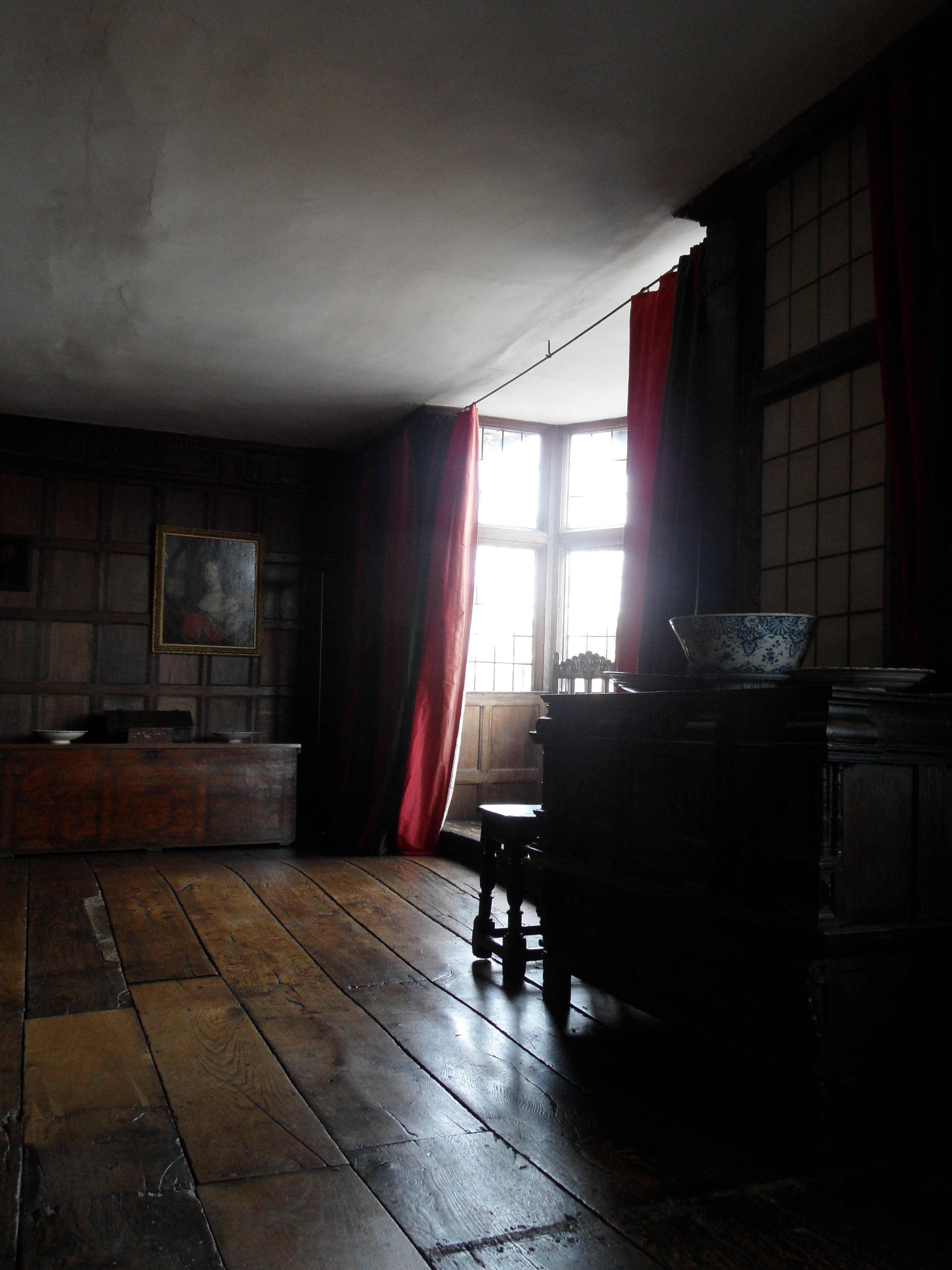
We began in the first floor chamber at the front of the building. Entirely panelled in original oak, this remarkable room has the feel, and indeed the smell, of an old ship. To suddenly find yourself here you could be forgiven for assuming you were aboard the Victory rather than inside a Marlborough townhouse. The room has fallen victim to the settling of the building over the centuries, giving rise to a large ‘wave’ across the floor where the oak boards have draped themselves over a wall on the floor below, while the original stone fireplace has also cracked in a few places. If anything, though, this only serves to add to its authenticity and charm.

SAM_0714

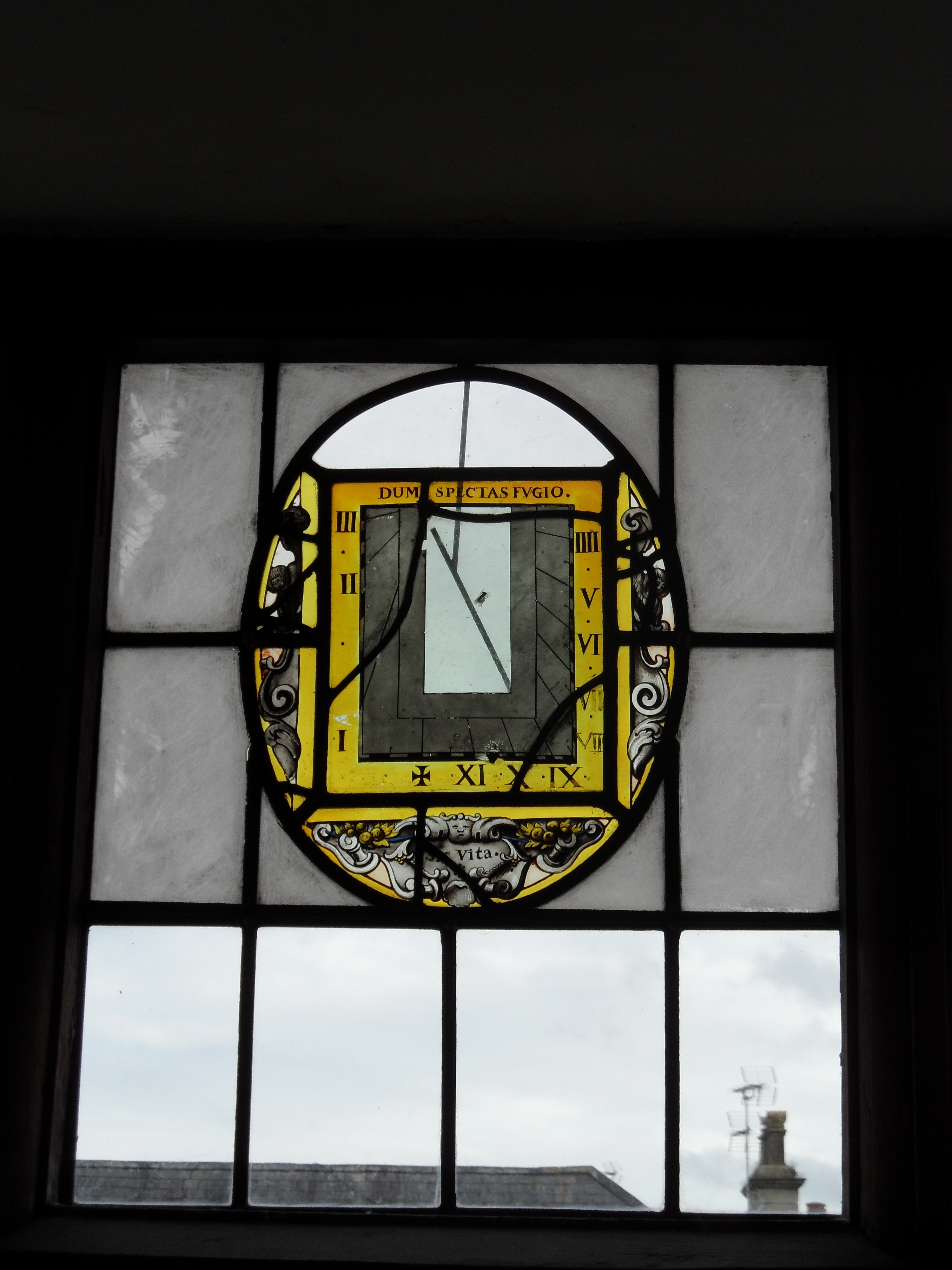
Inside the chamber, as with all the rooms, are a number of artifacts from around the time it was built, although of all these only a solitary earthenware wine jug in the kitchen actually belonged to the house. In one corner sits a chest into which somebody has rather charmingly etched the abridged version of their life story, complete with a spelling mistake that has seen them carve a line through the errant letter and write the correct one above. In the window sits an original stained glass panel of a sundial with the Latin quip, ‘Dum spectas fugio’- ‘While you look, I fly’; a rather poignant comment about fleetingness of time- painted onto it. The addition of a painted housefly rounds off this seventeenth century japery.

'While you look, I fly'

‘While you look, I fly’

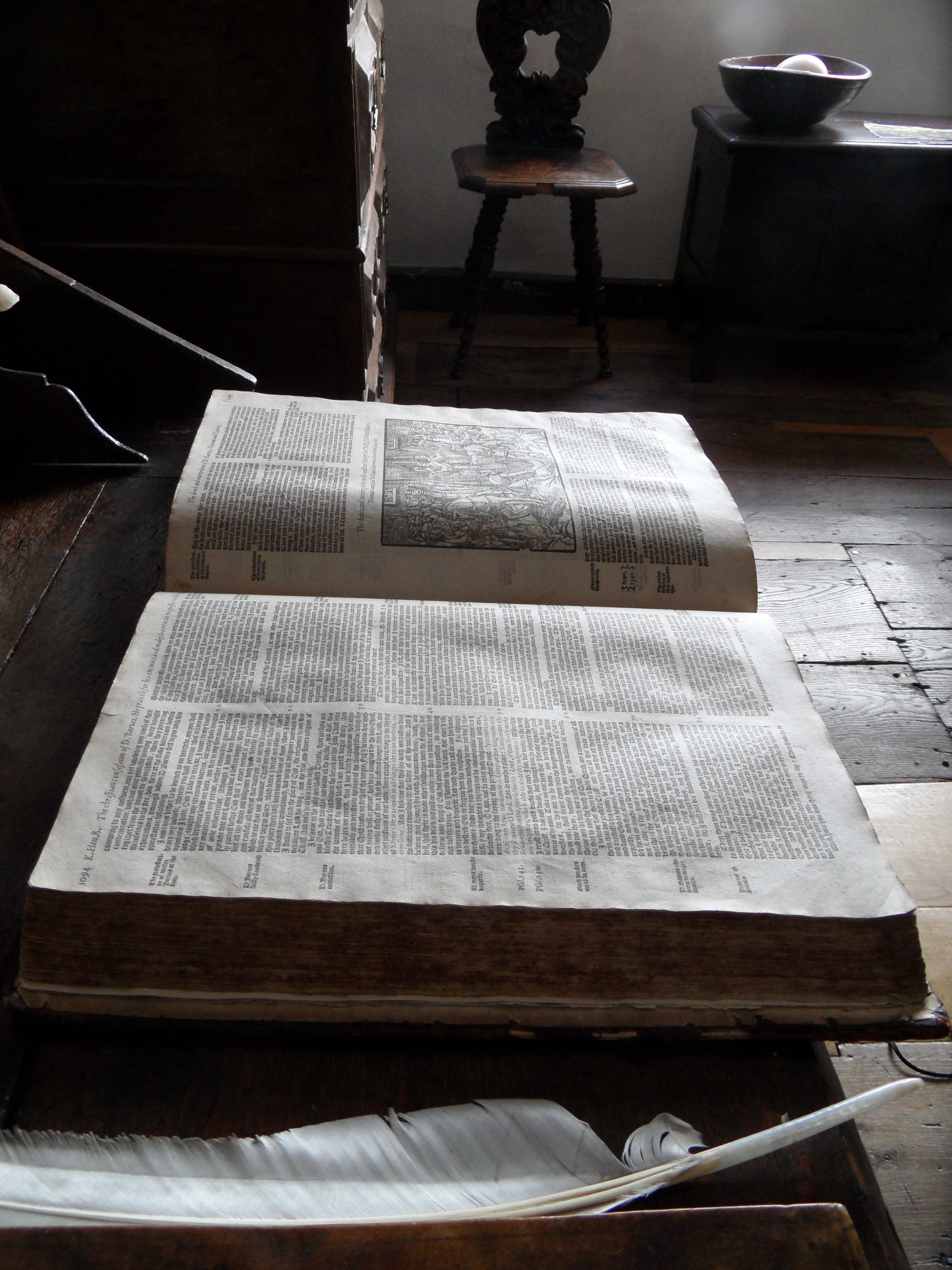
The tour continued upstairs to a small room which the curators suspect to have been a study. Beyond the very faint remains of what seems to have been a crest painted above the fireplace, the room itself is fairly unremarkable. On a desk inside it, though, lay what I found to be the most exciting exhibit of the entire tour: an original copy of Foxe’s Book of Martyrs, loaned to the House on the condition that it remain open to be read and touched rather than stuffed behind glass. I could picture the joy my A-Level history teacher would have taken in seeing this, one of the great early masterpieces of propaganda detailing the suffering of Protestant heroes at the hands of wicked Catholics. Even ignoring the content, the physical book itself was incredible: the invention of the printing press stands chronologically between the development of written language and the advent of the internet as one of humanity’s great leaps forward in information sharing, and here was something that rolled off one of those first primitive presses, laid out for visitors to touch and turn its pages.

SAM_0702

Foxe’s Book of Martyrs, an original edition, sits on a desk in the study.

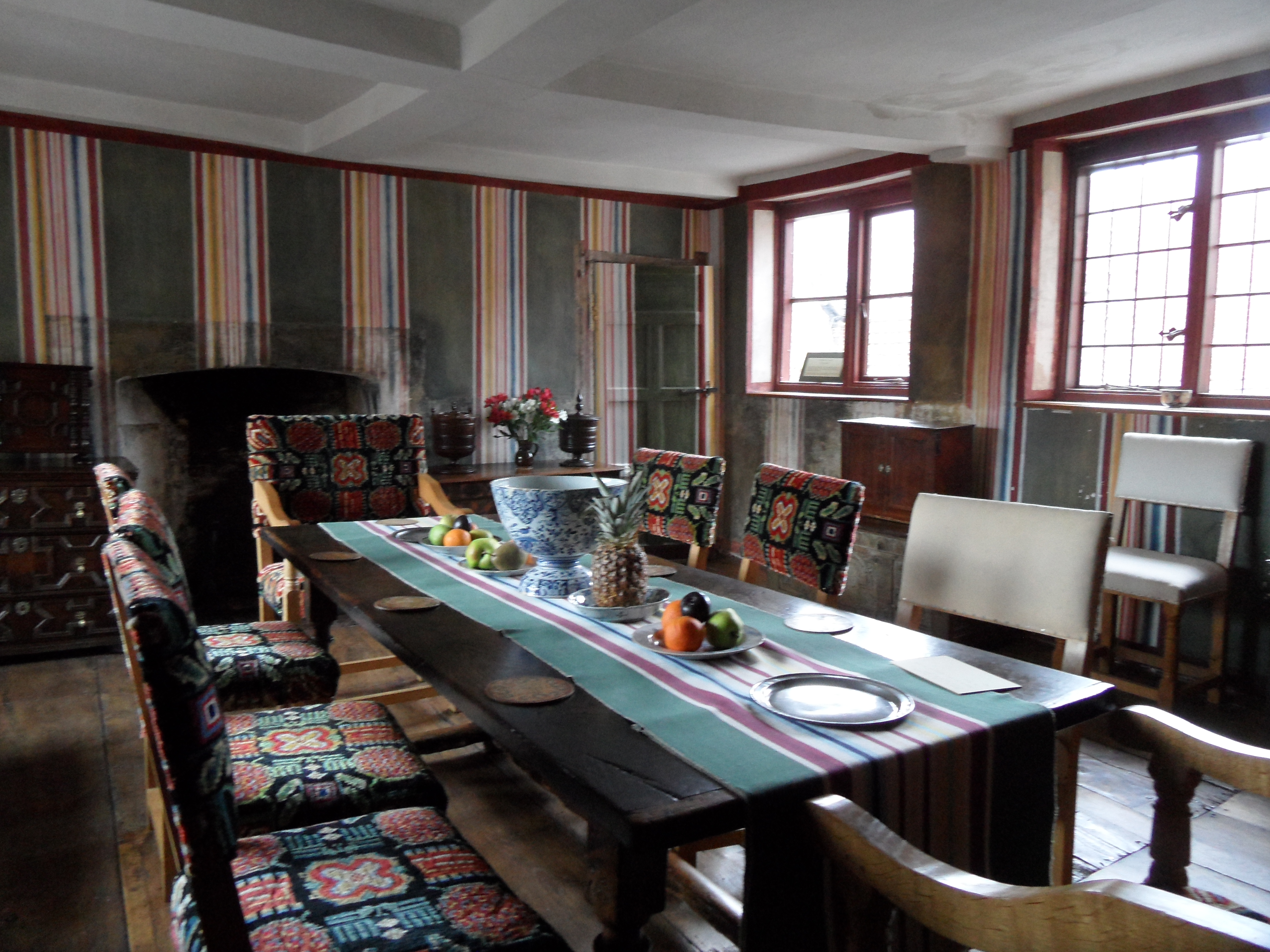
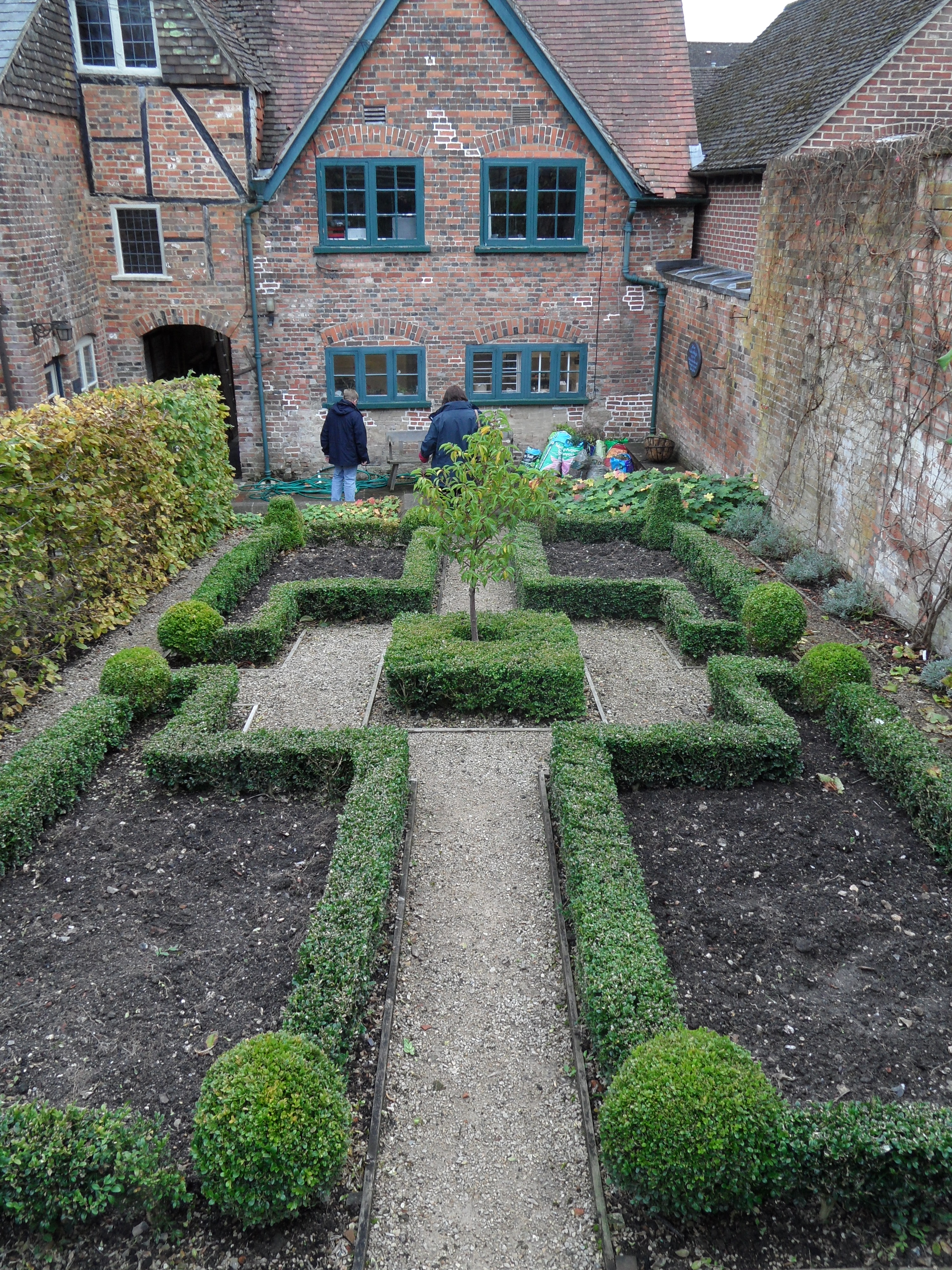
Further into the house, we were taken through a couple of bedrooms and the newly-restored kitchen before finishing in the dining room. Far be it from me to explain every single detail and every story the house has to tell, for that you should take a tour yourself, but there are further causes for fascination. The master bedroom and the dining room are decorated in exactly the way Bayly himself had them, restored after analysing the surviving sections of authentic paintwork. Interestingly, someone recently noticed a painting in the Netherlands which clearly depicts the room Bayly must have visited to receive his inspiration for the dining room decor. At the end we were shown to the small garden and left to wander around it at our own discretion, the different sections providing something for the horticulturalists but not really having the same impact as the house itself.

SAM_0710

It goes without saying that those with no interest in history whatsoever will gain little from a trip to the Merchant House. For everyone else, though, there is certainly something to enjoy and you don’t need to be an aficionado in order to do so. Whether you are struck by one of the exhibits or simply enjoy the building itself, the modest entrance fee is well worth paying, especially considering you will receive the wisdom of a guide throughout. Speaking of which, I can only admire and applaud the incredible amount of time and work that everybody involved in the project volunteers in order to restore the house and share its story with the wider public. It might be hidden away, relatively unnoticed on the busy modern High Street, but the fruit of their dedication gives the Merchant House a sparkle, and Marlborough is all the richer for it.

SAM_0728

Cost: £6 per person

* * *