
When introducing myself to fellow Wiltshire enthusiast @MuddyBootsWilts on Twitter, his first reply to me was, ‘Hello! Mine’s a 6X…’. First point of conversation, straight to the beer. For some it might seem an unusual opening direction to take, but to us Wiltshire folk the beer rolled out by Wadworths is something of a unifier. Within those brews we find a safe place in which we can confidently search for common ground, an ice breaker to which we can all relate, because the chances are that in any given pub, the locals will either be supping on cider or a Waddies ale.
Wadworths is no quaint rural brewery selling the odd bottle of novelty beer to tourists. Its produce is the real deal, chosen by the majority of locals ahead of the draught lagers and trendy imported bottles sold alongside it. It is therefore unsurprising that the brewery tour should follow suit. Visitors are not simply invited to amble around a collection of ale-y esoterica, but given an in depth look into the process of how a functioning business makes its famous products, both now and in the past.
The Bustette and I were part of a group of around ten, each given hi-vis jackets to identify us as being participants in the tour and then taken out onto the streets of Devizes. Feeling like school children following our teacher as the traffic rolled by, we were led into a small door and then up some stairs to an office area.
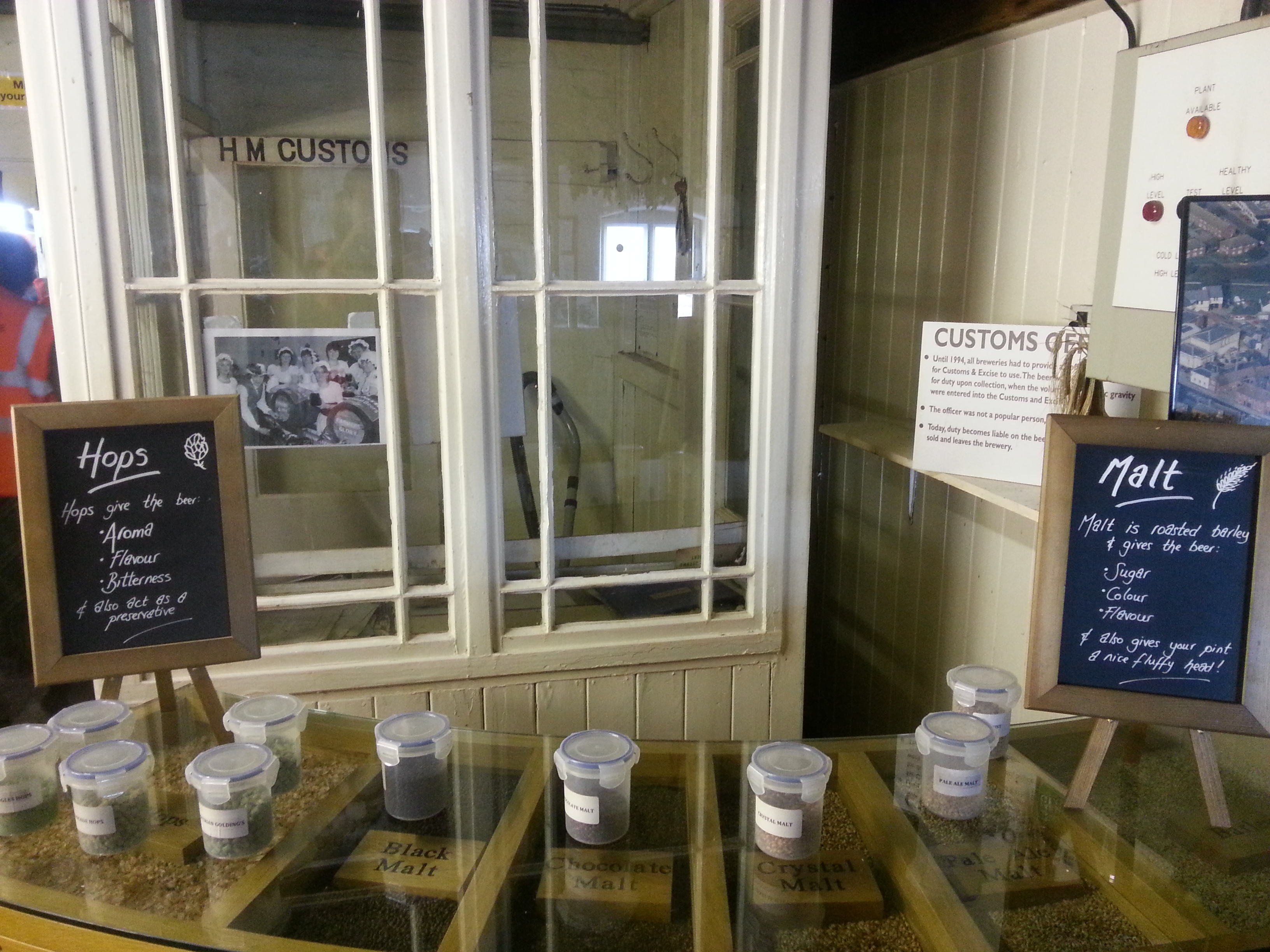
Here we stopped for the longest ‘talk’ of the day. Our guide began by telling us the history of the company and a little about the life of Henry Wadworth before finishing with some information about flavouring the beer. Pots of various malts and hops were passed around to accompany an explanantion of how they’re mixed, with each of us invited to smell or even taste them should we so wish. Those familiar with Waddies’ output might recognise certain tastes and aromas, others might just be surprised at how much variation there can be among each family of grains.
The guide giving us this information was relatively young- somewhere in his mid 20s, at a guess- but was extremely well practiced and knowledgeable about his subject. Also working as a kegger within in the company, he was confident and enthusiastic and the personal touches which crept into his explanations of their particular brewing process made clear the friendships he evidently shared with the rest of the staff. There was no suggestion that this was a young lad doing a temp job who’d just brushed up on few fact sheets, he was highly professional and well-versed.
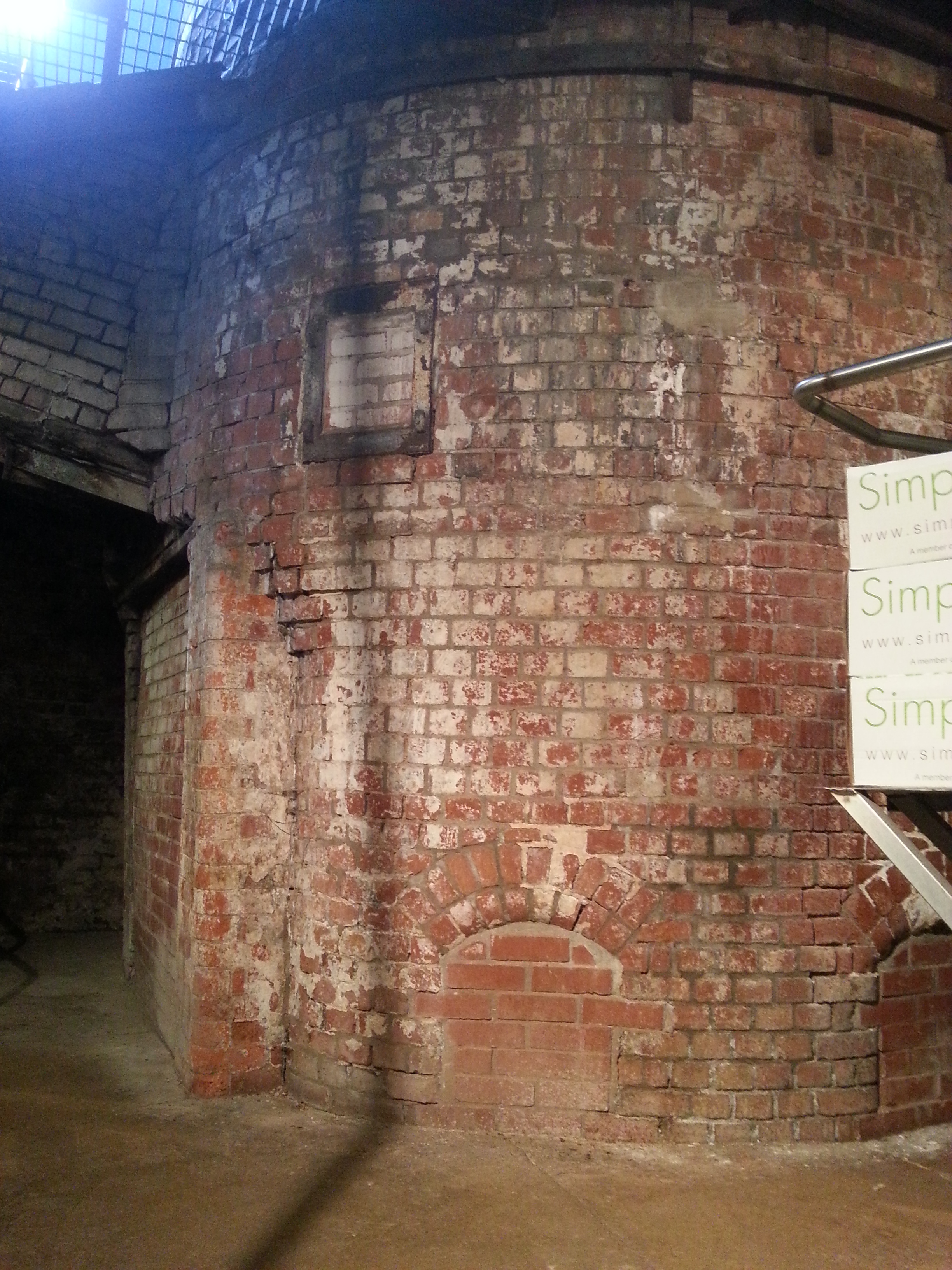
With the taste of different malts still lingering in our mouths, the tour moved on. It was structured in such a way that we began with the ‘old factory’, taking in the Victorian equipment which is now only used occasionally to produce their seasonal brews. How everything worked is explained, as well as the way in which certain pieces of equipment were modernised over their lifetimes. For example, the ‘open copper’ which heated the mixture as the hops were added has steam coils from the 1940s but was originally warmed by a coal furnace underneath, the old brickwork for which still remains.

This aged setup contrasted strongly with its recently opened modern succesor, all stainless steel and varnished wood. Interesting anecdotes peppered the tour, such as the story of the company which made the grain grinding engines who went bankrupt because their work was simply too good. Their engines were so reliable that, once purchased, their customers had no need for repairs or replacements and so they eventually ran out of business. Another noteable tale was the admission that it has been known for cross-contimation to occur between brews when tanks overflowed in the fermentation room. Rather than throw away tens of thousands of pints, they simply made up a fancy new name and released it as a one-off seasonal beer instead.
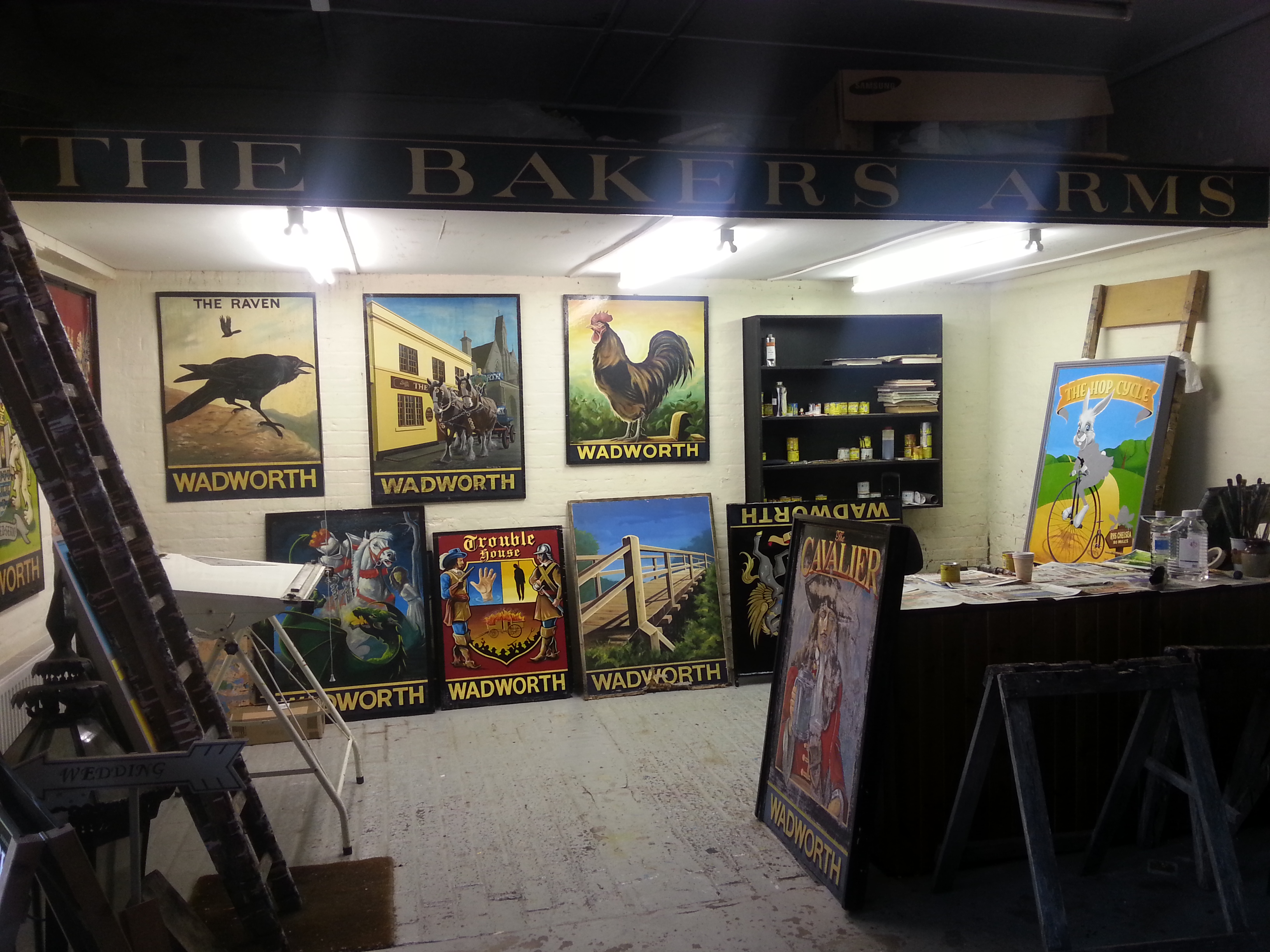
The sign writing studio is a particular point of interest due to the rarity of hand painted pub signs in the modern world. To paint each sign, we were told, takes around two weeks and the finished product lasts around seven or eight years. Given the number of pubs Wadworths owns across a 90 mile radius, this means that by the time they have been through one cycle it’s about time to start again. An unexpectedly full-time job, the current artist has now painted each pub’s sign three or four times in his 21 year stint.
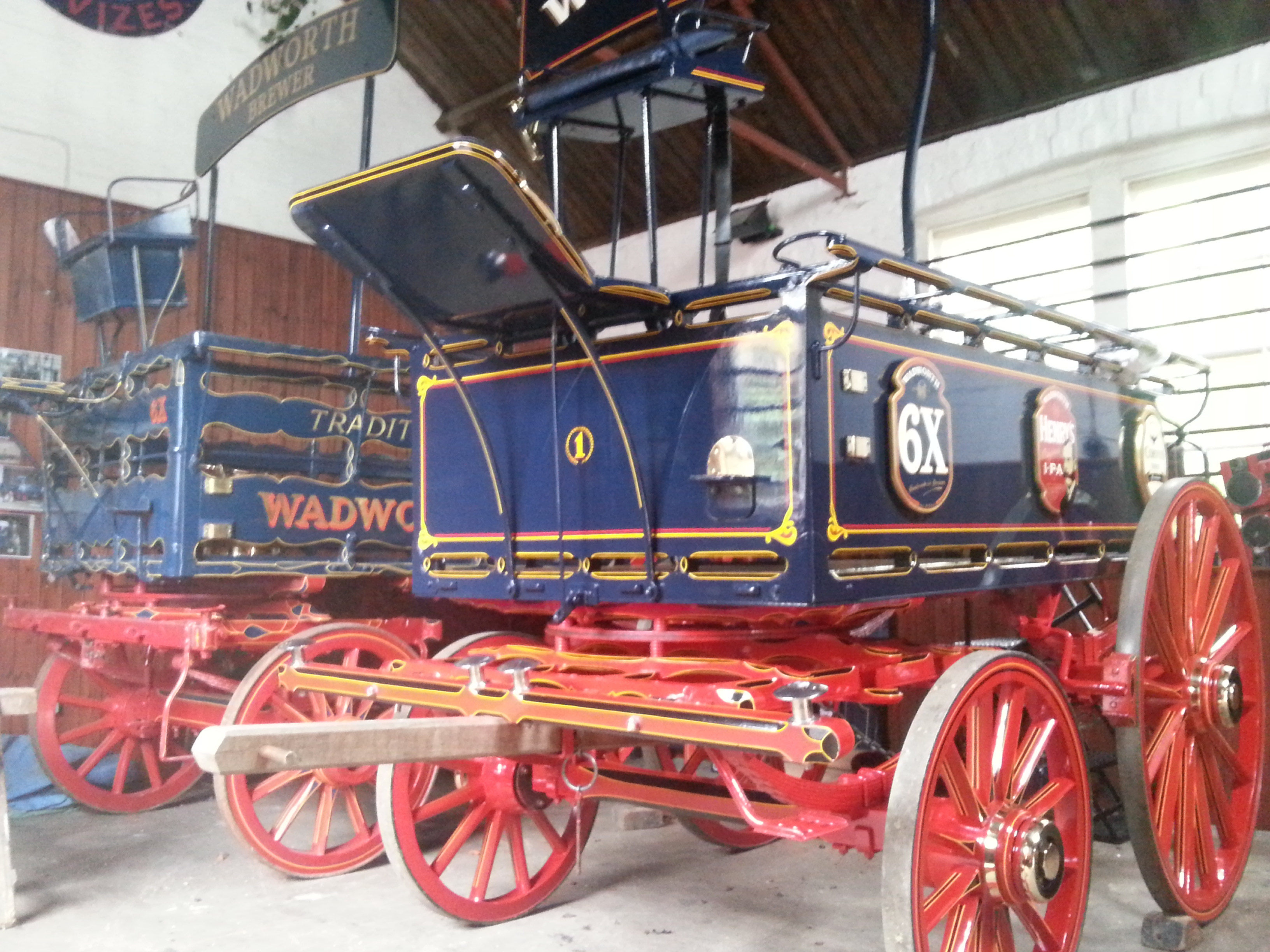
 If shire horses are more your thing then be sure to check in advance that they will actually be there when you visit, otherwise you may be in for some disappointment. Especially during the summer, Max and Monty are likely to spend their weekends at shows, although the youngest member of the team, Archie, will still be around. They also have a couple of weeks per year away in a nearby field, the slightly eccentic display of their ‘holiday snaps’ on a wall near their stables being the Bustette’s highlight of the day. If you do get to meet them then show them plenty of love, turn your back and they will kick the stable door until you make them the centre of your attention once again.

The finale is, let’s face it, the highlight for most people. Safely returned to the comfort of the in-house bar, we were given samples of five ales plus a stout they conconcted recently and aimed directly at a large, Guiness-shaped target. With each we were told a little background and given some description of the ingredients which went into producing it. How much you take from that will, I suppose, depend on how much of a connoisseur you are when it comes to these things, but even for the extremely casual drinker like myself and the Bustette it was still nice to be given the insight.
About two hours after beginning, we took our leave. It had been an enlightening experience which, of course, would benefit beer lovers more than non-drinkers, but was not without its charms either way. It spoke of Victorian industry as much as beer itself and offers an inside look at a Wiltshire institution. When you have family visiting for the weekend and need something to do, you might find that Wadworths provide the perfect solution in more ways than just getting them drunk.
Cost: £11 for adults, concessions available
– If going on a weekend, you will need to book well in advance. For Saturdays you should be looking at least two weeks ahead.
– Don’t drink and drive, kids.
– Main photo credit: 6xales.co.uk


 That Cluckin' Bustard