
It is just a cricket match on a sunny day away from being the quintessential scene of rural England. We are looking across a peaceful green field to a small settlement of cottages. Beyond that, peering out from behind some tree tops, rises a chruch steeple, the heart of the old village. Add in the sound of leather on willow from a dogged batsman knocking some gentle, looped off-spin to the square leg boundary and you have the cliched chocolate box landscape of life in the countryside.
But it has been some 70 years since these buildings played host to the comings and goings of daily life, indeed most of them never have at all. The village of Imber was evacuated in 1943, not for the safety of its residents but to provide the Army with somewhere to practice urban warfare ahead of the invasion of Nazi occupied France, and it has remained a training ground ever since.

But for a few days a year, including Easter weekend, the barriers are lifted and the public are allowed to return to wander around what is left of this once-thriving village. Residents were given just 47 days notice to leave, recieving the news via a wonderfully understated letter from the War Office which read: ‘I regret to have to inform you that it is necessary to evacuate the major part of the Department’s Imber Estate, including your dwelling.’ The letter, an example of which is on display in the village church, is all very British, politely but firmly outlining the situation and ending with an offer to pay for any produce in the garden which cannot be harvested in time.
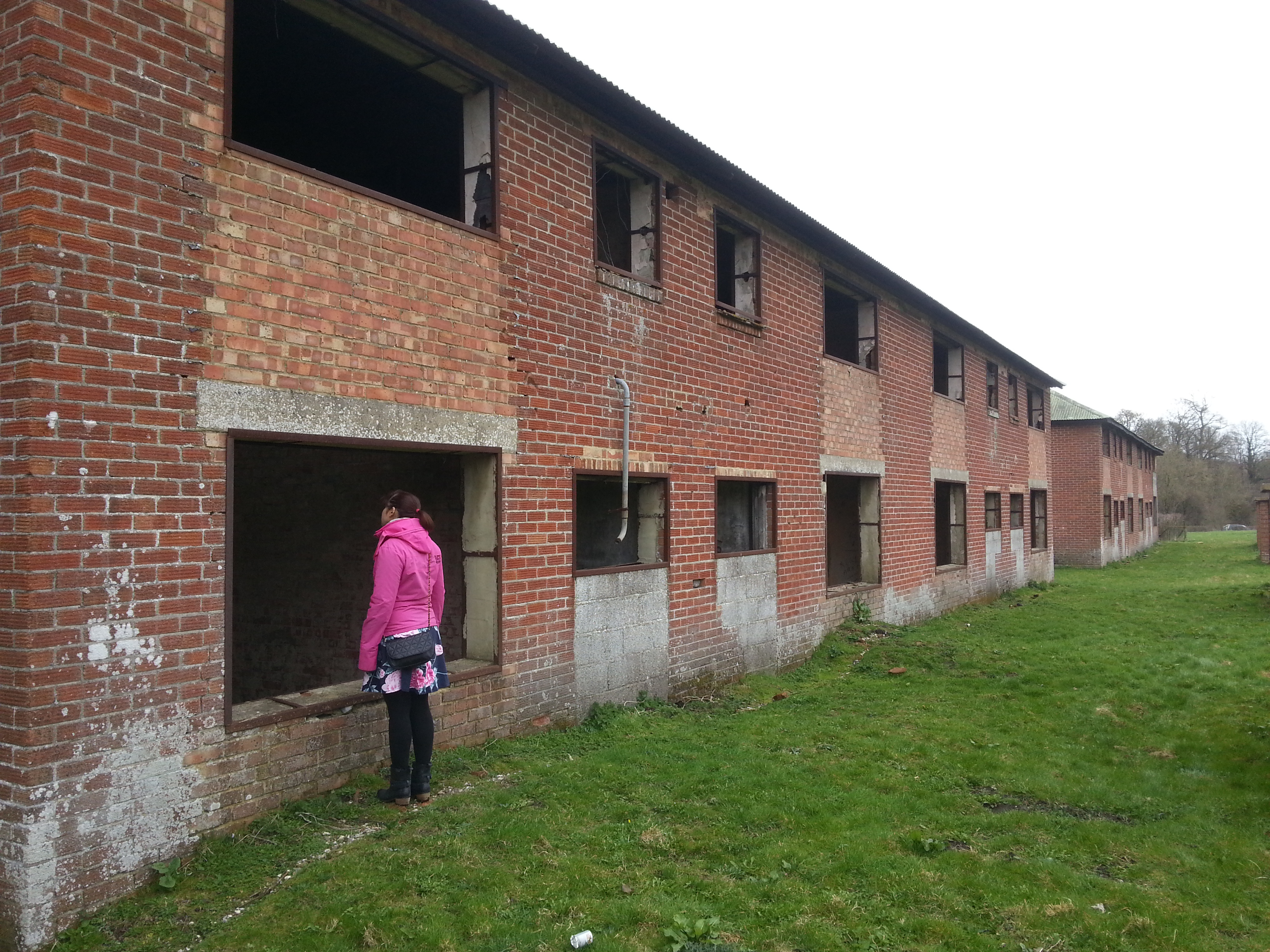
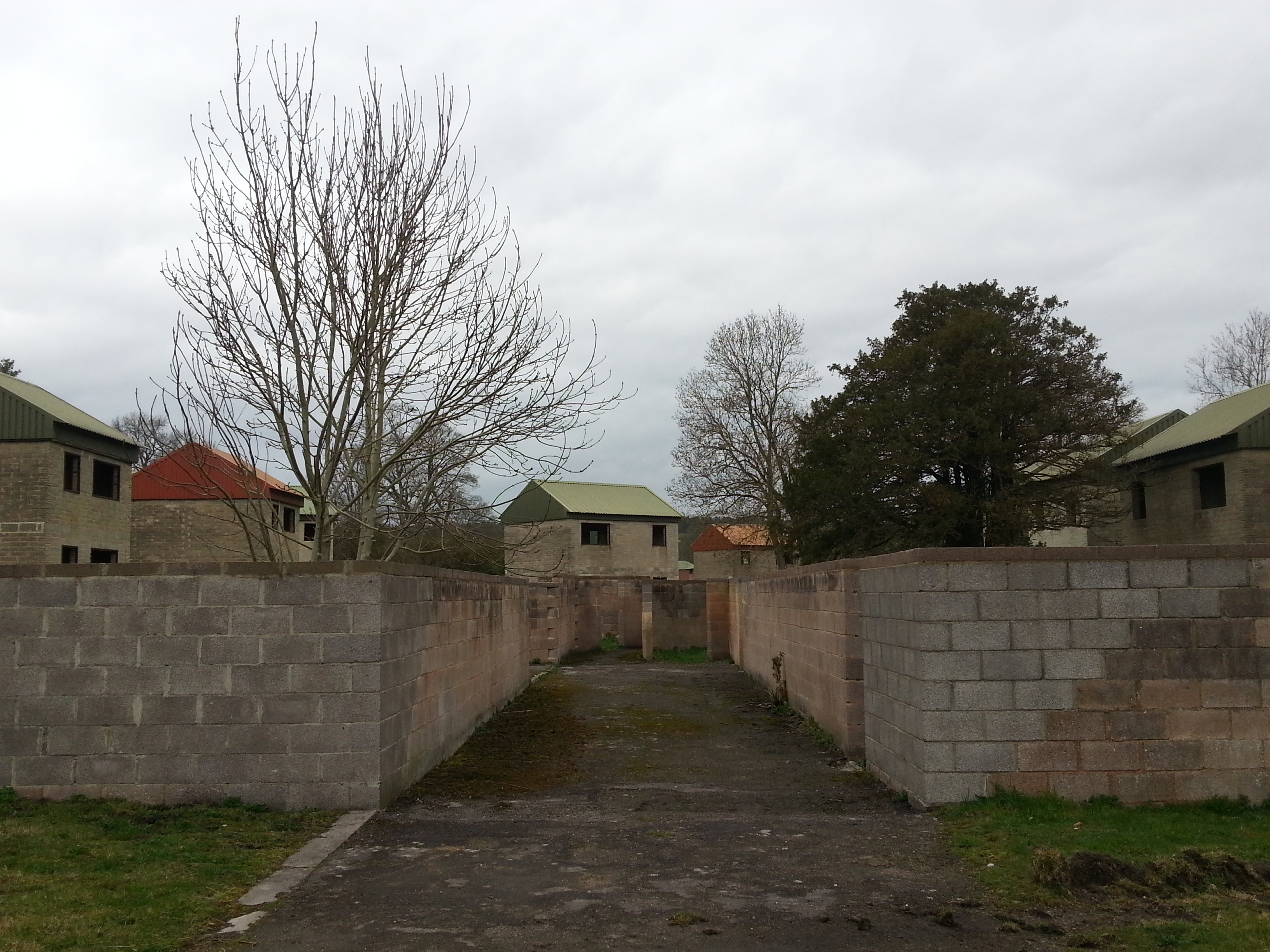
Today there isn’t much those evictees would remember. A map, also part of the church display, illustrates just how few of the original buildings remain, the bulk of them replaced by artless, uniform constructions made of breezeblocks for training purposes. Our visit began between two such residential sections, leaving a layby through a gap in the hedge and walking through a field up behind some houses to the main ‘street’. Had we appraoched from the road we’d have seen that the public were not supposed to venture this far, but in truth there was no real reason why people shouldn’t. Bypassing the rulebook in this way allowed us to enter some of the houses and poke around, and the experience was richer for it. Don’t expect to see much inside, but it does offer some insight into military training techniques.
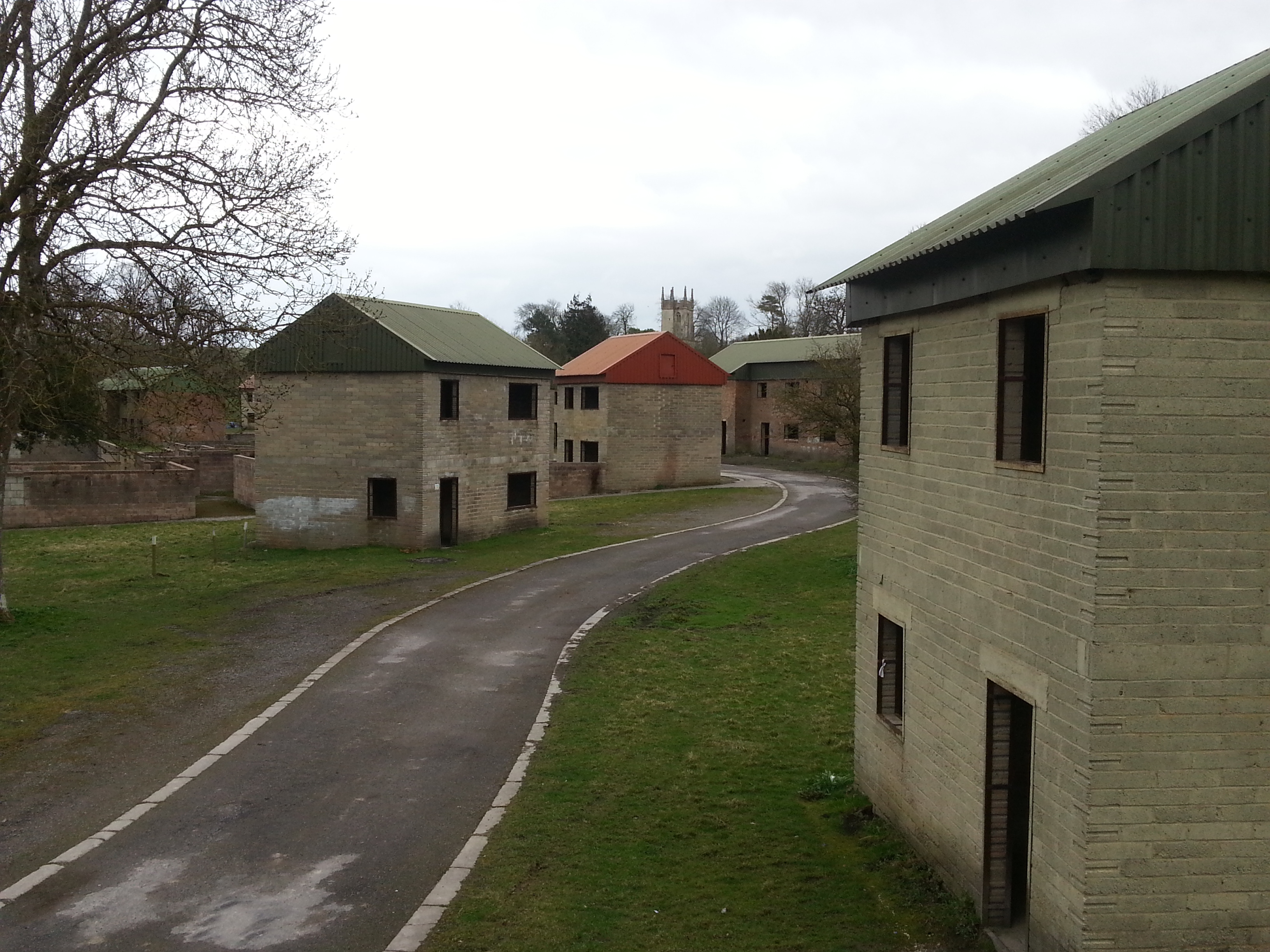
Walking down the middle of this residential road is perhaps the eeriest part of the day. Call of Duty veterans might sense something Prypiat-like in the empty streets, perhaps exacerbated by the featureless, functional architecture feeling distinctly ‘Soviet’. Even the Bustette, a gamer by no one’s definition, said it made her feel like she was inside the Playstation. But let’s not get too ahead of ourselves, those expecting the untouched remains of a genuine ‘ghost town’ will be disappointed. There are no swimming pools or crumbling ferris wheels, life and its symptoms have long since been extinguished. Imber’s houses are a collection of shells and little more, to understand that beforehand will allow you find interest in what remains, to expect anything more spectacular will likely leave you disappointed.
To learn more about what we were seeing, we made the church our next stop. This is both the hub of any visit and the only part of the village still in any way active, opening up for Easter and Rememberance services each year. The displays inside are informative, if slightly too focussed on the church itself at the expense of the village as a whole, and you will also find stalls selling tea and biscuits to set you up for the day.
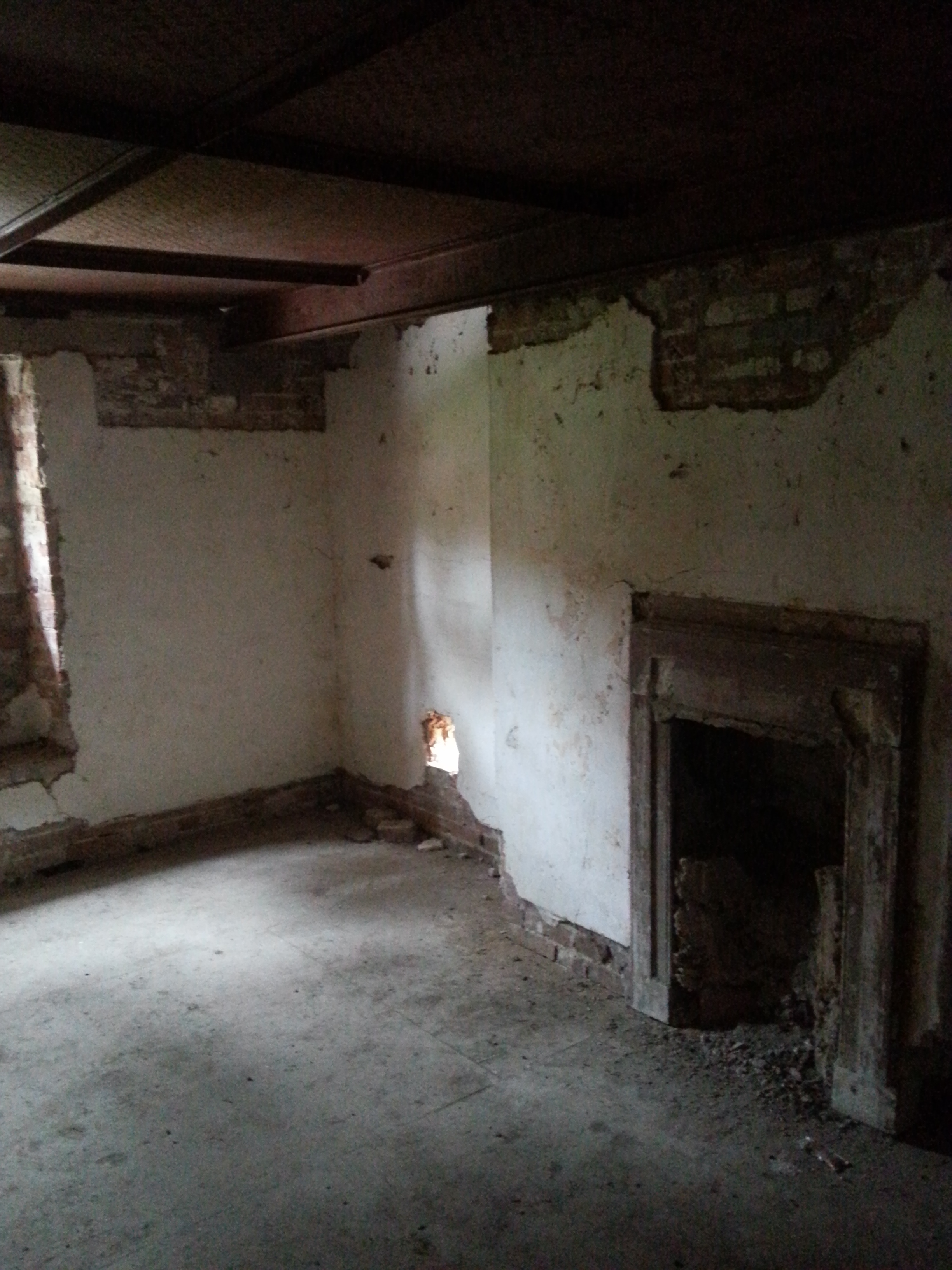
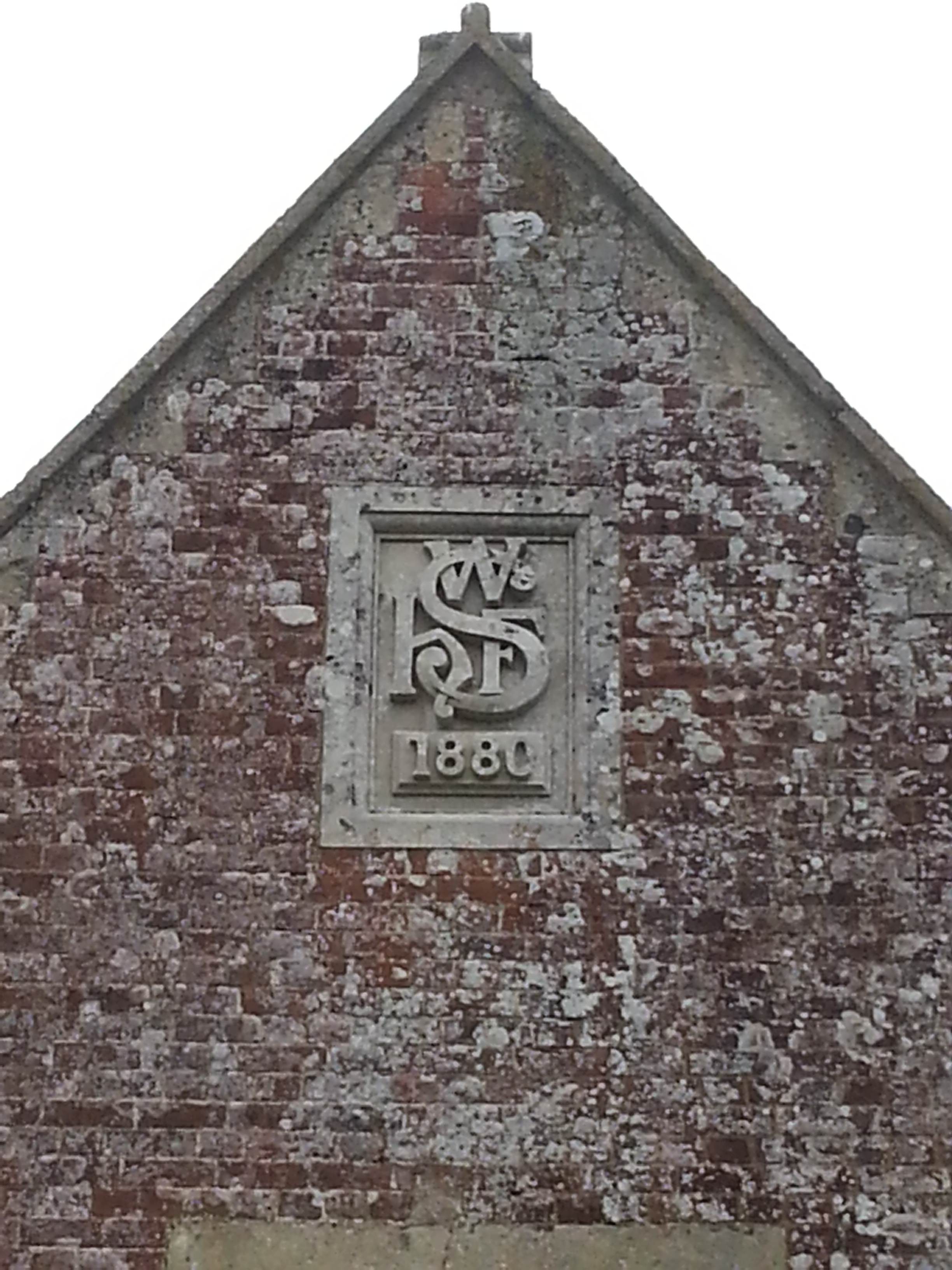
After steeling yourself with knowledge and refreshments, there are a few older, original buildings to explore, each one completely gutted but still offering occasional clues that once they were busy, active homes and businesses. The building date on the side of the farmhouse, for example, and a fireplace in a bedroom of the old inn. Small things, but salient reminders that people once played out their lives here.The inn is particularly worth exploring, with various nooks and crannies spread over three floors, even if, like most of the buildings, it has been adorned with its fair share of graffiti.
And really that’s all Imber is, just a few totally empty buildings to sneak around. Plenty of excitable children enjoyed charging through but it should always be remembered that this is only a very occasional tourist attraction. The set up is unapologetically geared towards its day job rather than to proivde visitors with things to do, but I say all this to temper expectations rather than put people off.
Imber isn’t really the ghost town that the invited press make out it to be, but that doesn’t mean it isn’t worth visiting. The remnants of its past are few and far between but they are there and they combine with the newer structures to offer something slightly haunting about the atmosphere. Perhaps it’s not the most spectacular but on the rare days when the doors are opened it is an essential for those interested in either recent history or today’s military.
Cost: Free
– Parking is available in the village either on the main road or in a layby. Arrive early as the crowds will pick up sharply from mid day.
– Be wary of using technology to get there. Google Maps took us to an old barracks on top of a hill a couple of miles away. The village church website offers good directions.
 That Cluckin' Bustard