National Trust

The Devil’s Stones

If there’s one thing Wiltshire does well, it’s stuff that’s very, very old. If you want to see structures that were as ancient as the Colusseum is now by the time anyone in Giza had started stacking blocks, Wiltshire is the place to come to. Of course, one such structure stands out above the rest in terms of notoriety but, in the interests of not overplaying our trump card, that particular place will remain unmentioned until the time comes to actually visit it. Instead, this weekend we spent a bright winter morning walking around the biggest stone circle in the country at Avebury.
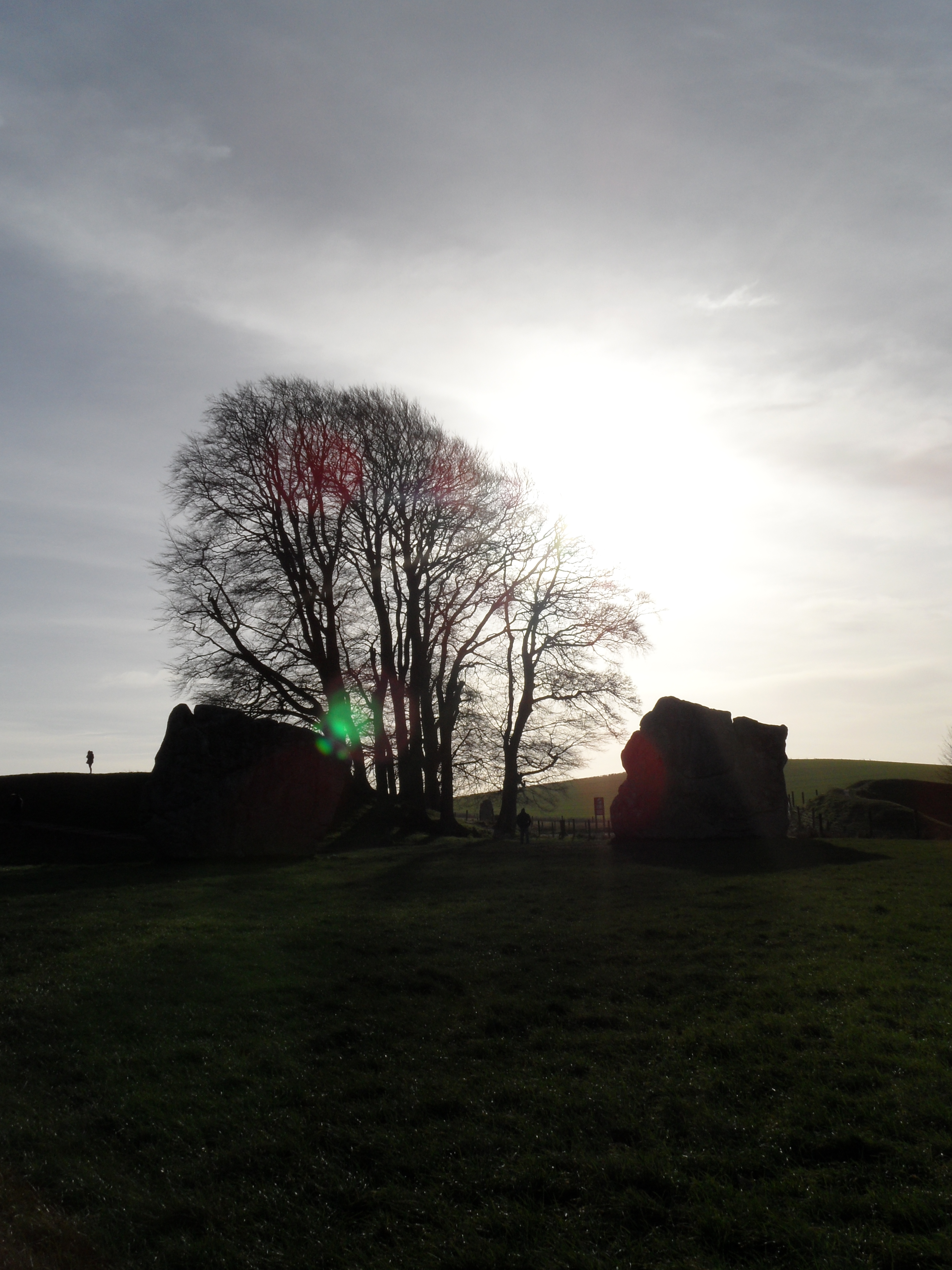
SAM_0830

What is striking about the site, when compared to many other ancient monuments, is the way in which the world has woven itself into the fabric of the place as opposed to standing off at a safe distance. Thousands of cars travel daily along the busy roads which cut straight through the circles, while the village itself has grown into its midst like a creeping plant working itself through the cracks of a building. This is not necessarily a bad thing though and it once again speaks of the charm in the way Wiltshire displays its past. This is something I have spoken of before, that history here, with the exception of the-place-which-shall-not-be-named, does not hide itself behind barriers or glass cases, it’s just there and you are free to touch, prod, poke and generally experience it as you see fit.

SAM_0853

It was our good fotune that we turned up on one of those rare events, a bright January morning on which the sun shines and the green grass glows against a cobalt blue horizon. But an in-depth account of our wandering is not going to interest anyone, rather it is the story of the place itself which provides the magic here.

While the nearby West Kennet Long Barrow marked a change in human habits from nomads to settlers, Avebury, constructed around 1000 years later, is evidence of advanced agricultural techniques affording people more time for what might be informally termed ‘dicking about’. After all, why waste your day building a whacking great stone circle when you’ve got hunting and gathering to be doing? A farm full of crops allows attention to be directed elsewhere, from which point a pretty direct line can be drawn through the asking of Who, Why and How towards the building of ceremonial monuments to celebrate the religious beliefs which answered those questions.

The exact purpose of Avebury is, inevitably, unclear. If it was born of rudimentary religious beliefs then theories lean more towards appeasing malevolent spirits rather than praising any kind of bountiful deity. It could have geographical, it could have been a site for funeral ceremonies, it could have been astrological. In truth, for all anyone really knows simply shurgging and saying ‘They just got up to some weird shit in those days’ would be no more or less accurate.

Whatever the reason, people tired of it after around 1000 years and during the Iron Age it was laregly ignored, with locals carrying a vague notion that someone, somewhere must have built it but not really giving much thought as to who or why. In around the 14th century things started picking up again, with villagers’ new-found Christian beliefs apparently leading them to believe the stones had been erected by the Devil and therefore had to go.

So down came the stones, pulled from their millenia-old perches and rolled into nearby pits. This is a shame for the purists because now there are small-ish concrete markers where once stood grand megaliths, but viewed through the prism of rampaging villagers it actually makes things more interesting. Wiltshire, remember, does not do pristine, it does real people. A few years into this process of destruction, one large stone fell and landed on top of a man, believed to have been a barber or surgeon, and crushed him. This, the locals felt, was an act of vengeance from the Devil himself and from that point on they shied away from doing any more of the Lord’s work. The crushed man remained in local folklore as late as the 19th century, although by this point more stones were being torn down for building material.
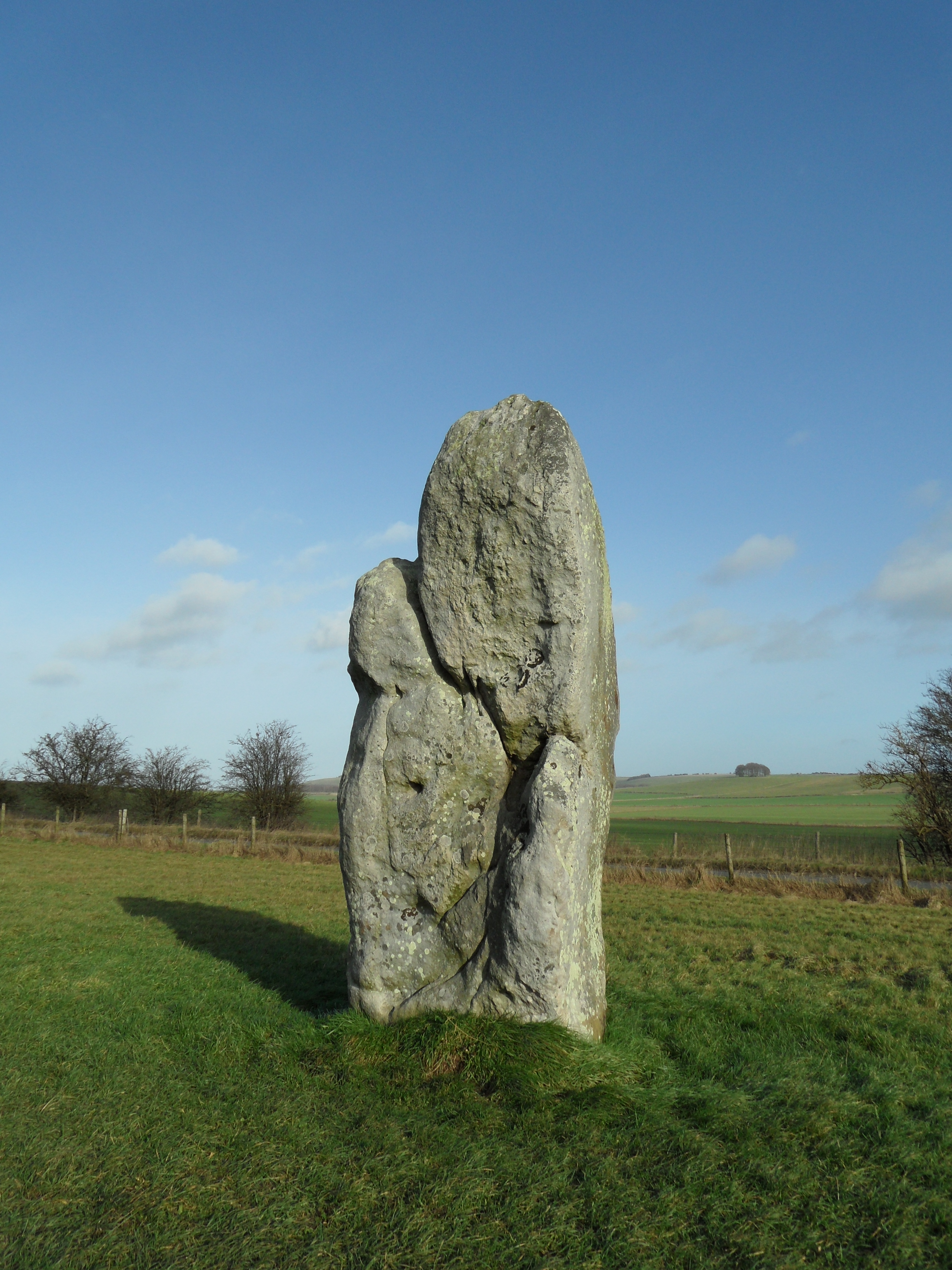
SAM_0864

Today, much like the county’s other ancient monuments, it is viewed as a living temple by practicitioners of modern paganism. Half way around the walk we encountered a tree with assorted ribbons tied to its branches, offerings by visitors who have pilgrimmaged here. Whipping in the wind, the colours seemed incongruous with the rest of the site and we weren’t the only ones to stop and examine them wearing puzzled looks on our faces. Across the road, spiritual offerings are replaced by a goat field, the chewing animals meandering through the ancient stones with all the blank disinterest of an Iron Age villager, gazing up passively as you walk next to them.
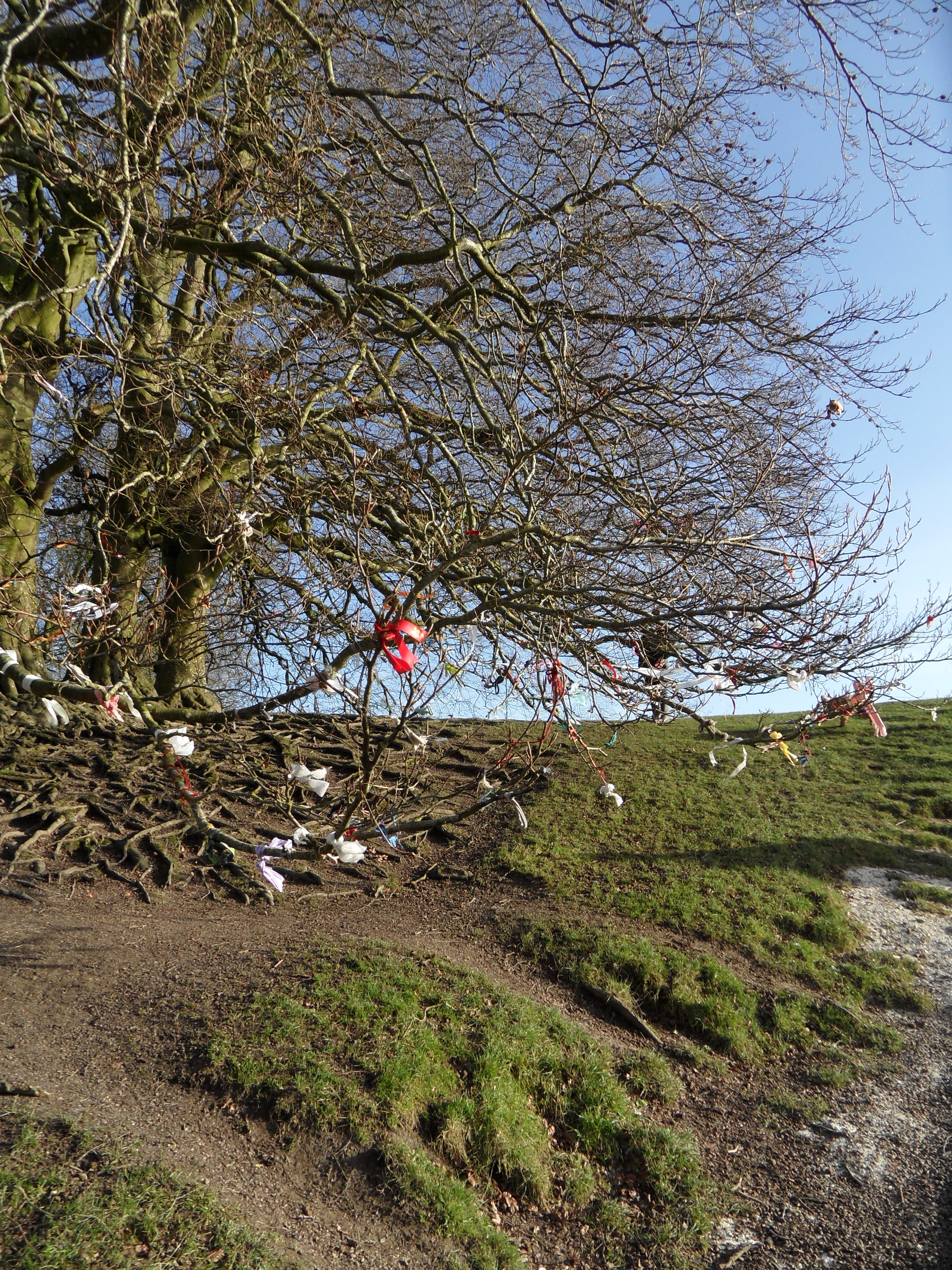
SAM_0834

Further round it is the village itself which disects the monument. From here you can visit the museum or, in warmer months, the manor house, the recent restoration of which was the subject of a BBC documentary. Alternatively you can simply carry on enjoying the outside, examining the old stones, walking along the bottom of the even older henge, whose grassy walls rise high up on either side. How you explore is your choice, history is yours to do with as you please.

Cost: Free to walk around the circles. Parking £3 for the day or free to National Trust members.
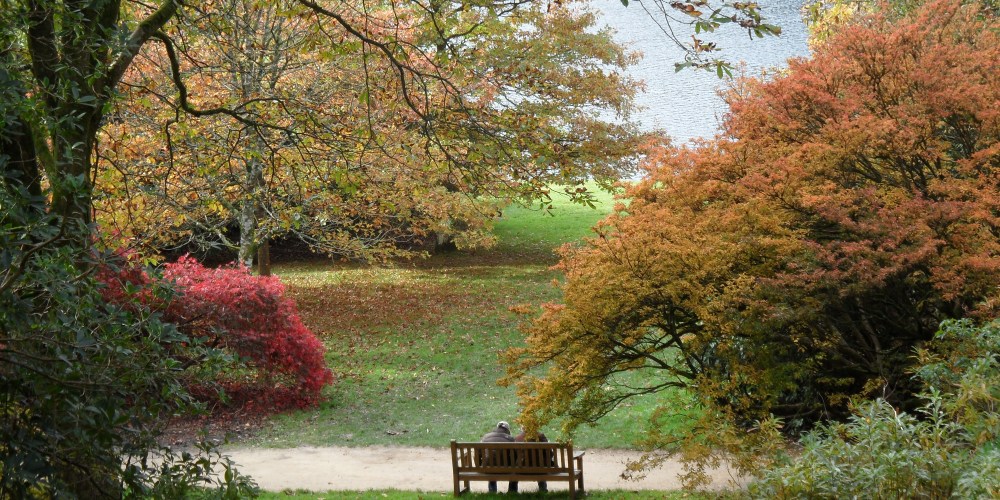
Art in Motion

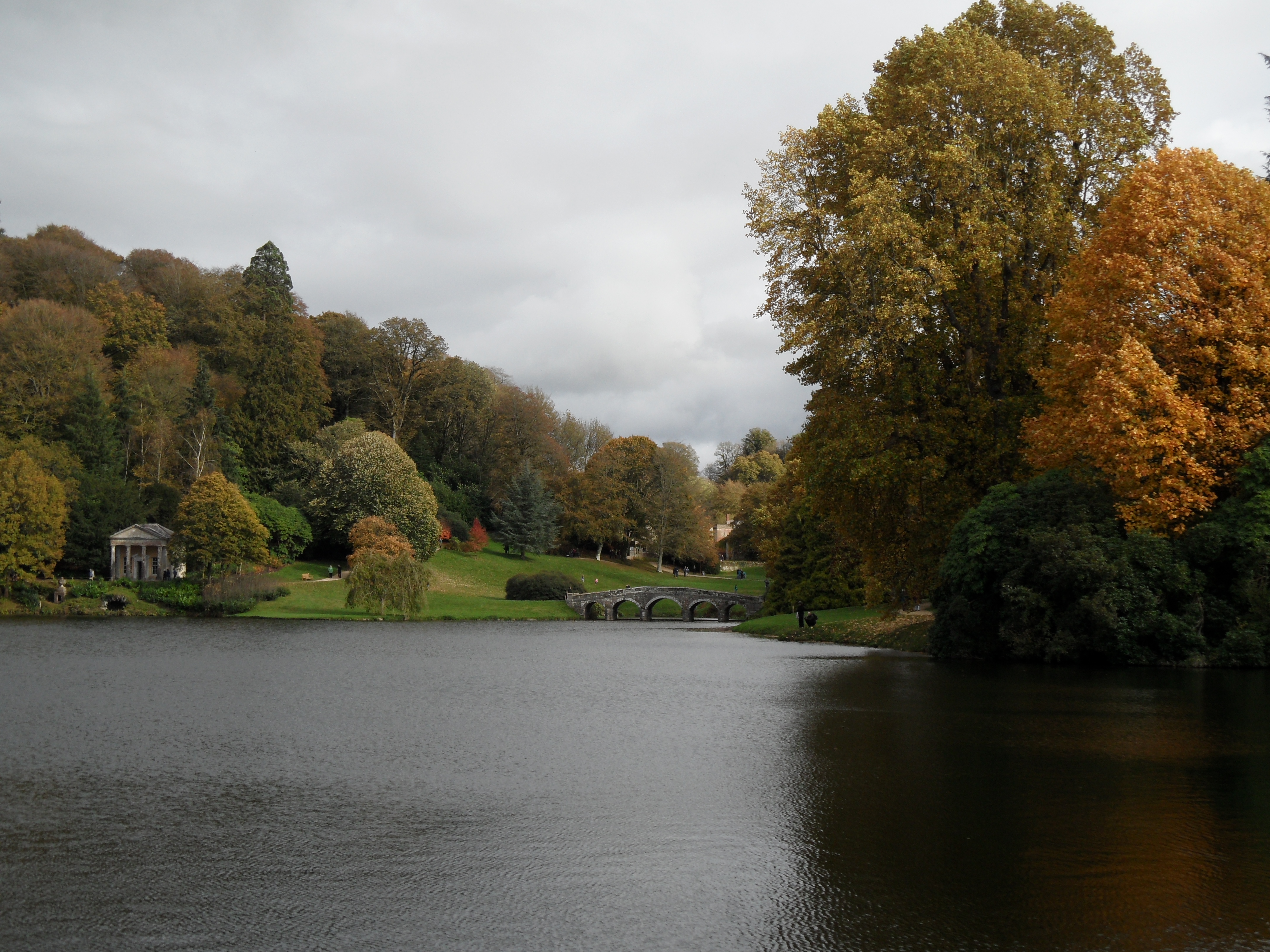
As far back as the 1740s, the gardens of Stourhead were described as ‘a living work of art.’ The National Trust is particularly proud of these words and understandably so, for they encapsulate the reason why so many visitors pour through these gates each year. It might seem a rather indulgent review, but while walking around the grounds it doesn’t require a huge leap of the imagination to envisage your surroundings brushed across canvas by one of the great landscape masters. Orange, gold and powerful red leap from the various shades of green, all reflected in the sparkling lake. Indeed, the garden was even designed through an artist’s eye, with everything laid out so dark and light colours would provide one another with contrast and relief.

‘Mid-October to mid-November is the time when Stourhead truly glows,’ the Garden Manager is quoted as saying, and advice from such authority should be well recieved. The weekend we had chosen was a particularly busy one, with the grounds in the middle of their autumn peak as well as being the last one before the house closes its doors for the winter, but all the same the crowds were not too ferocious.

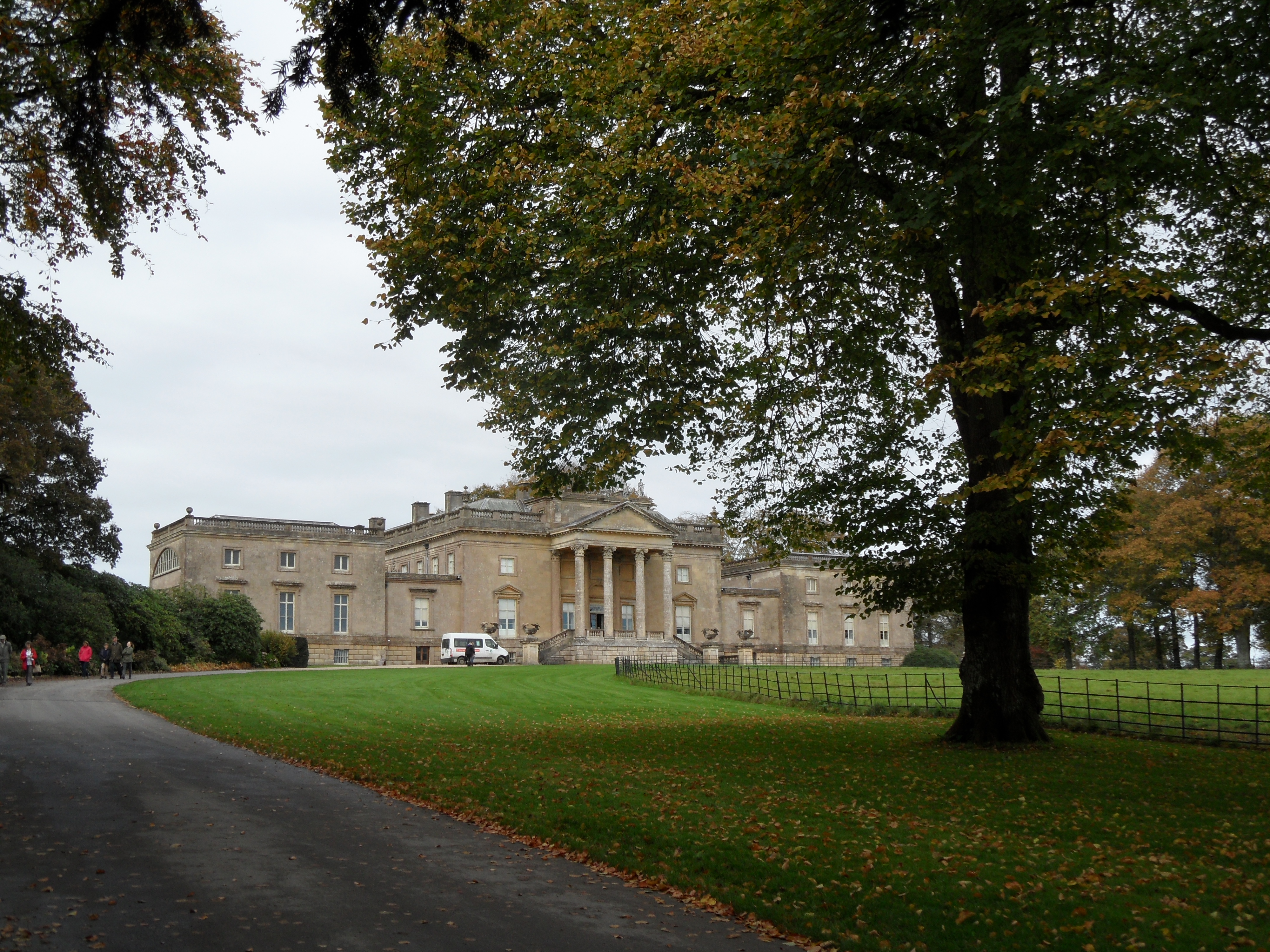
We allowed ourselves to be guided by the map we’d been given on arrival and, before the gardens, we followed the main driveway up towards the house, its grand stone facade revealed step by step as the flanking trees peeled away. According to Wikipedia, a miniature replica of the mansion was used as Lady Penelope’s home during the original Thunderbirds TV series, a wonderful fact if true and one that maybe the Trust could play on to enthuse children. As it is, they have this year brought in another feature to give something extra to the house, ‘Harry’s Story’, the tale of Harry Hoare’s childhood at Stourhead and eventual death in Alexandria during the First World War. It adds a human element and alongside him, of course, is reflected the decline of the nobleman, from lord of all he surveys to a relic of past times, clinging on to a rapidly receding relevance in the twentieth century. The story of the fire which destroyed large parts of the building in 1902 is also striking.

SAM_0733

Despite the charms of the house, I couldn’t help feeling that going round it didn’t add a huge amount to the day as whole. It is undoubtedly a beautiful building but it isn’t presented in a way that feels particularly engaging. Many of the rooms are cluttered, as though the curators felt that every single item available to them must be crammed in and put on display when actually it may be a case of less is more. Of course, this is nothing more than my own perception, and many of the other visitors looked pretty well engrossed in the various exhibits, but I would rather be made to feel like I’m being taken back in time to see the house as it was lived in and at no point did I really feel under any such illusion.

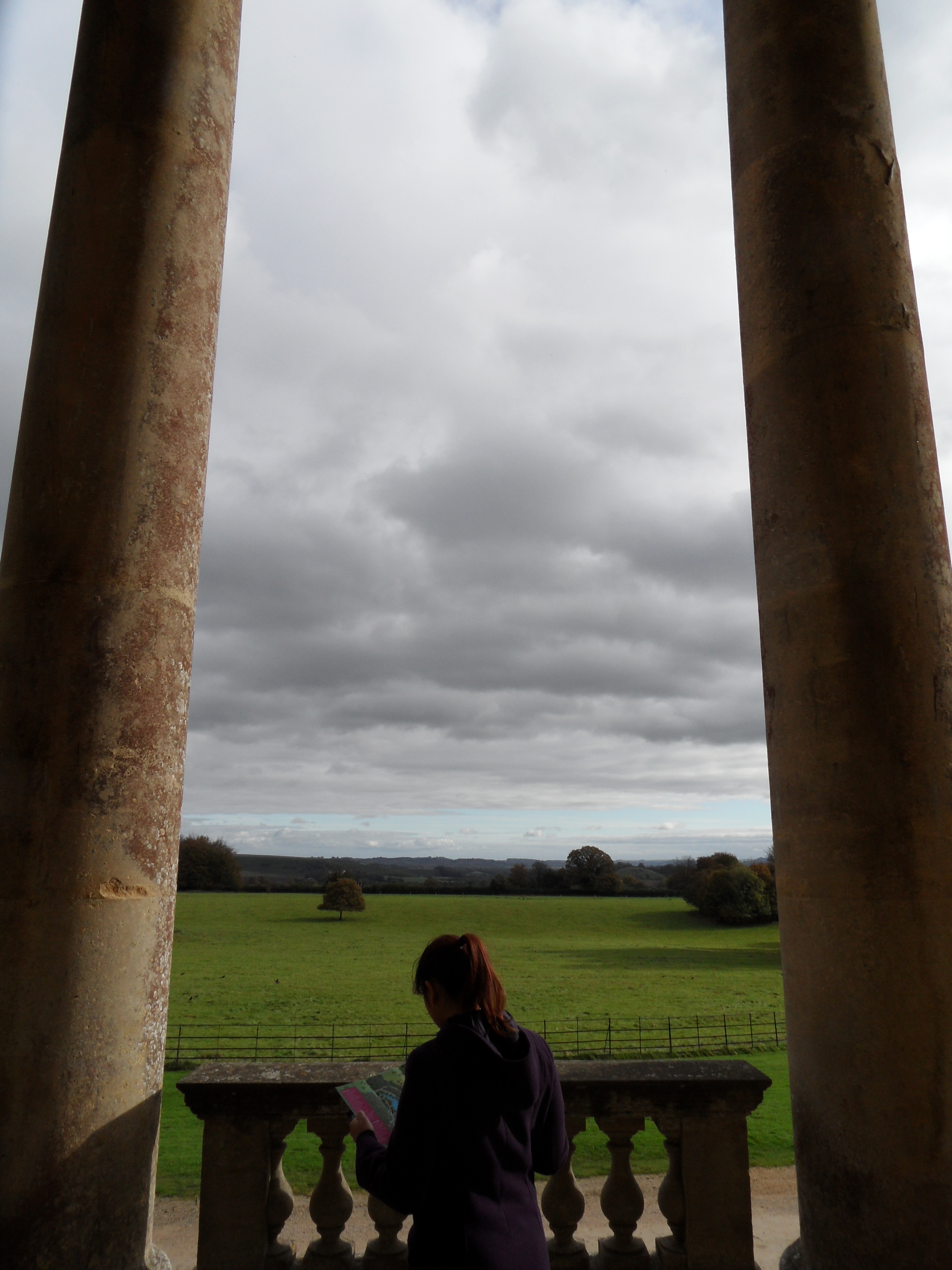
View from the portico of Stourhead House.

View from the portico of Stourhead House.

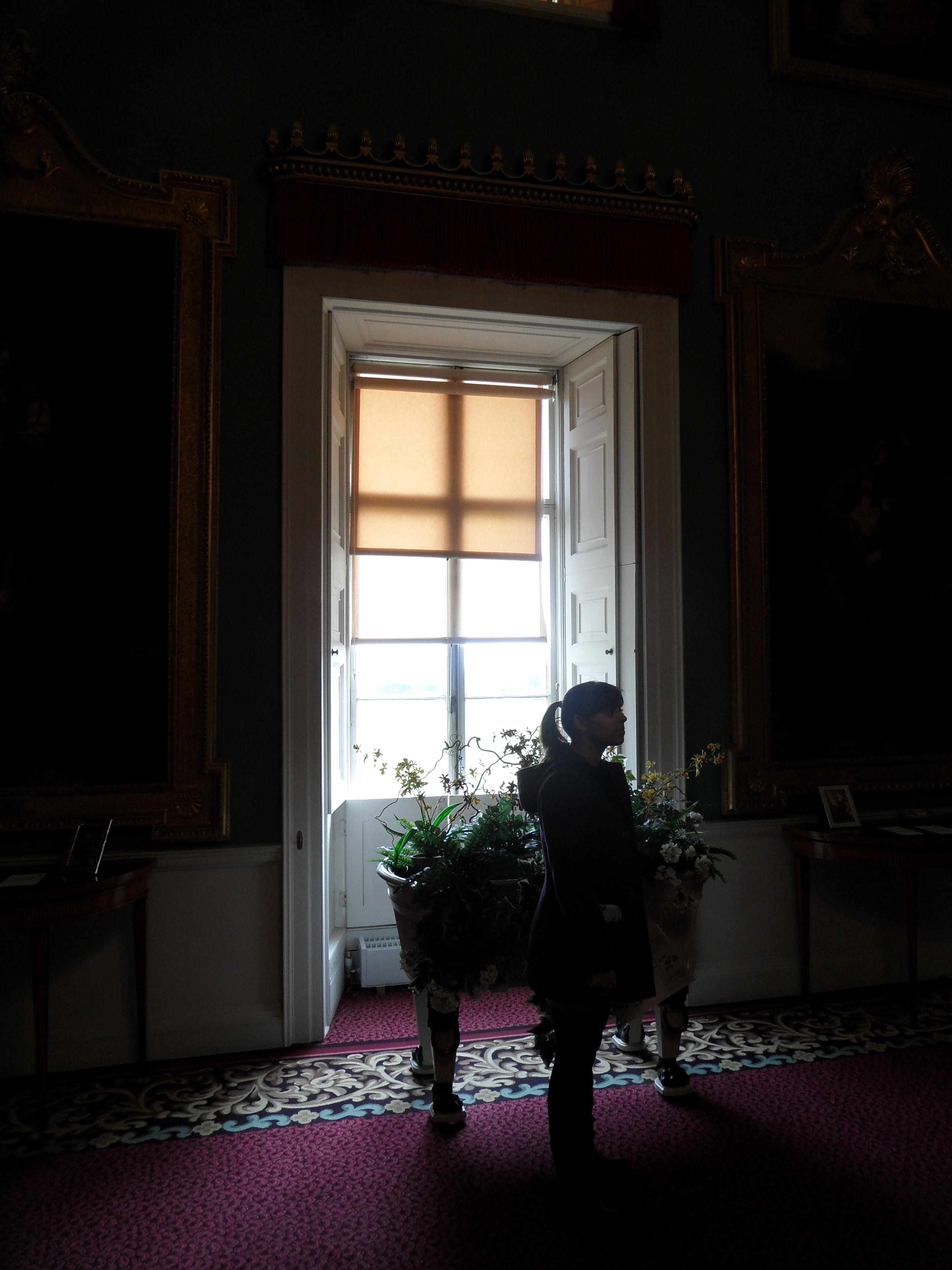
The sun spilling into the Painting Room.

The sun spilling into the Painting Room.

That is but than a minor quibble though, for the simple reason that nobody really comes to Stourhead for the house.

On we went, then, to the gardens. Their development draws on the principles of ‘genius loci’, using each added feature not just to thrill in its own right but also to provide a frame and viewpoint to the rest of the garden. With every step you are immersed anew inside a masterpiece; from every angle the effect is beautifully picturesque. The words of Alexander Pope, used to popularise these ideas, are engraved on wooden plaques near to one of the three temples which surround the central lake.

“Consult the genius of the place in all;
That tells the waters or to rise, or fall;
Or helps th’ ambitious hill the heav’ns to scale,
Or scoops in circling theatres the vale;
Calls in the country, catches opening glades,
Joins willing woods, and varies shades from shades,
Now breaks, or now directs, th’ intending lines;
Paints as you plant, and, as you work, designs.”

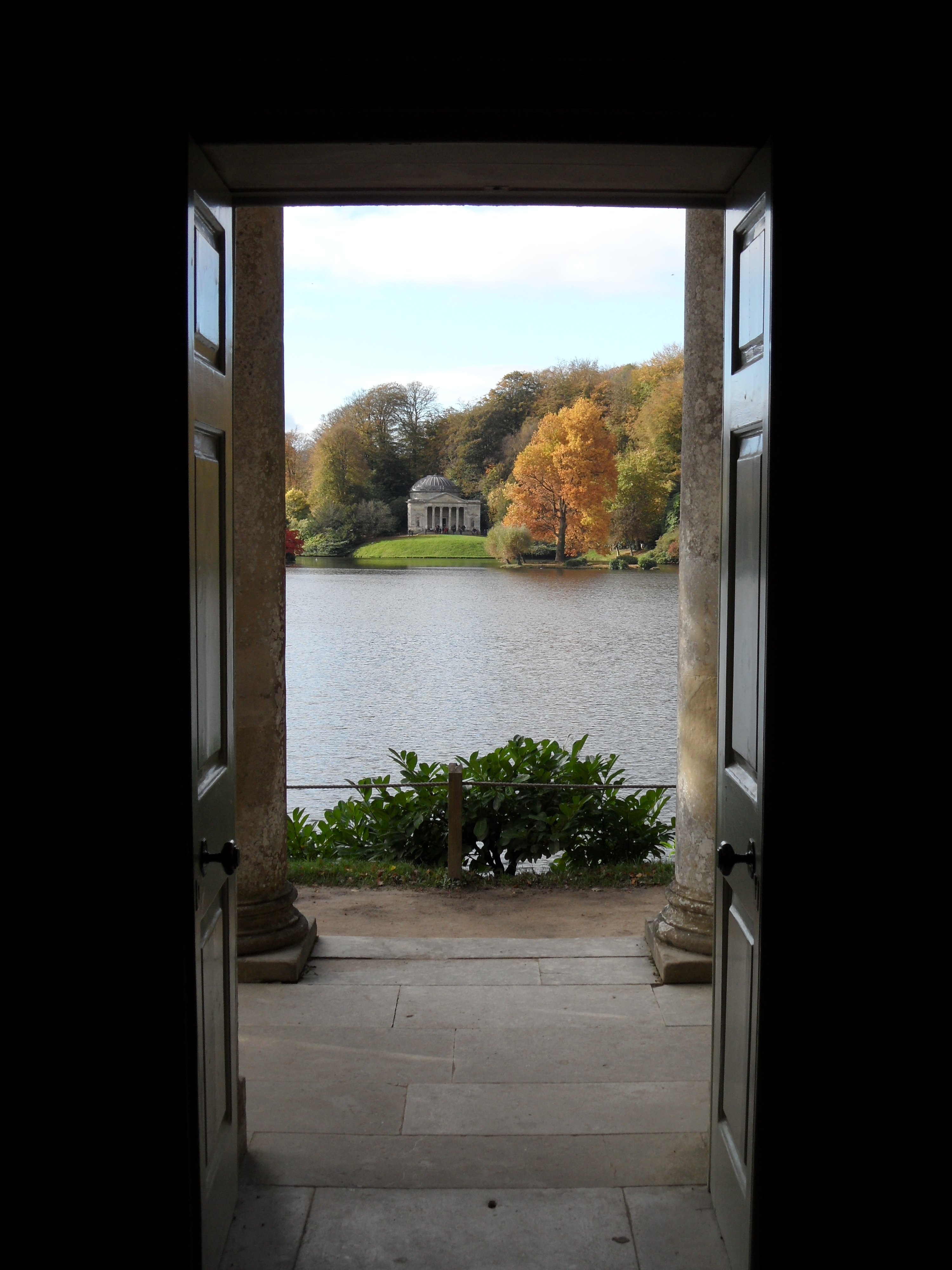
It is possible to do guided tours of the garden but we just went at our own pace, as the overwhelming majority also did. After a path wound us downhill, we arrived at the Temple of Flora, a relatively plain offering compared to the other two but providing some of the finest views across the lake from its portico. Understandably, this was one of the Lady of the House’s favourite places to entertain guests, most notably the wounded soldiers who would visit here during the First World War. Just outside, a small piece of land juts out into the water and here, between a willow tree and the Palladian Bridge, we sat down for our picnic. The sky became blue and the sun shone; you couldn’t ask more for a more perfect autumn setting for samosas and cheese sandwiches.

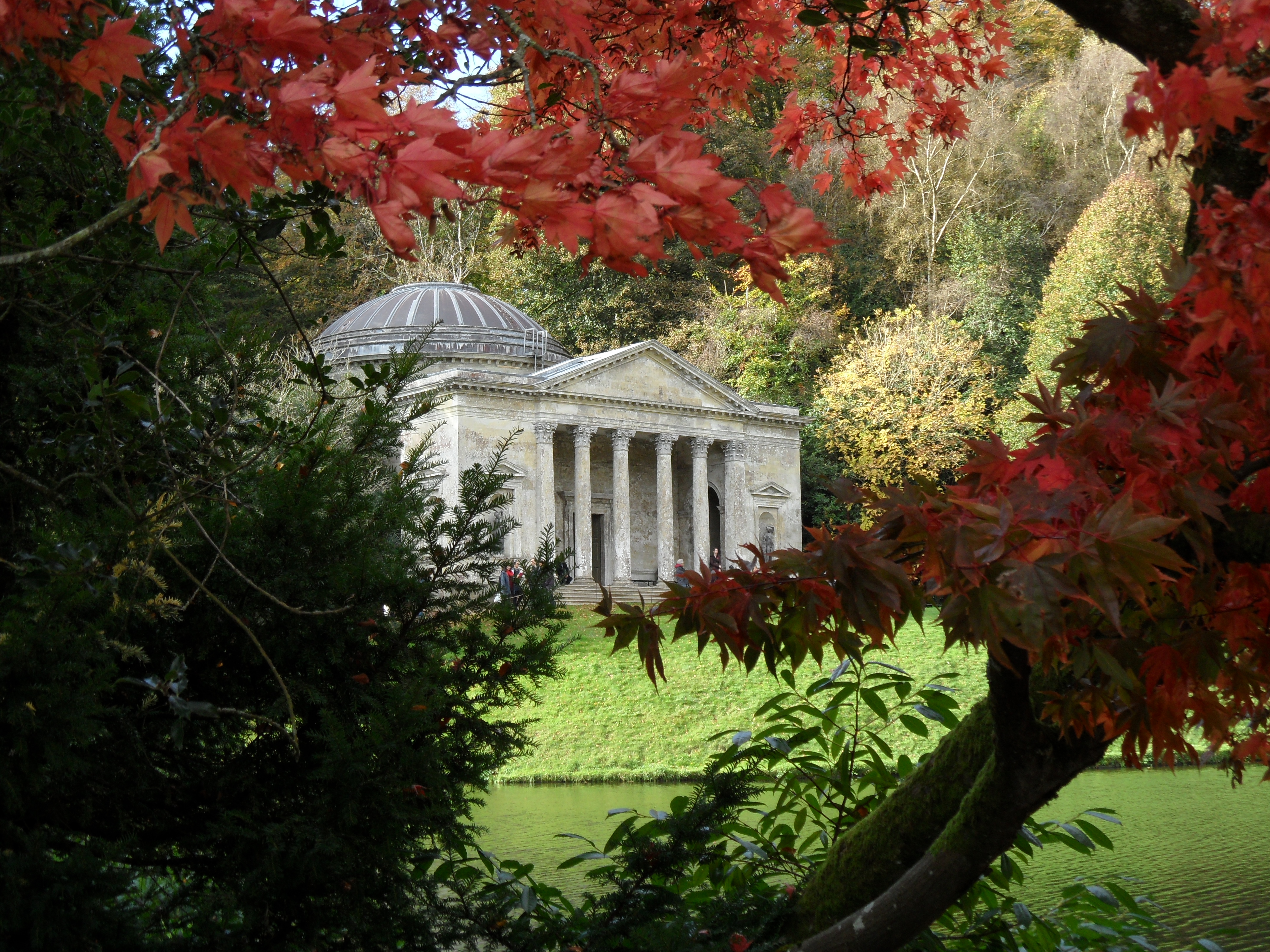
Looking to the Pantheon from the Temple of Flora.

The Pantheon, seen from the Temple of Flora.

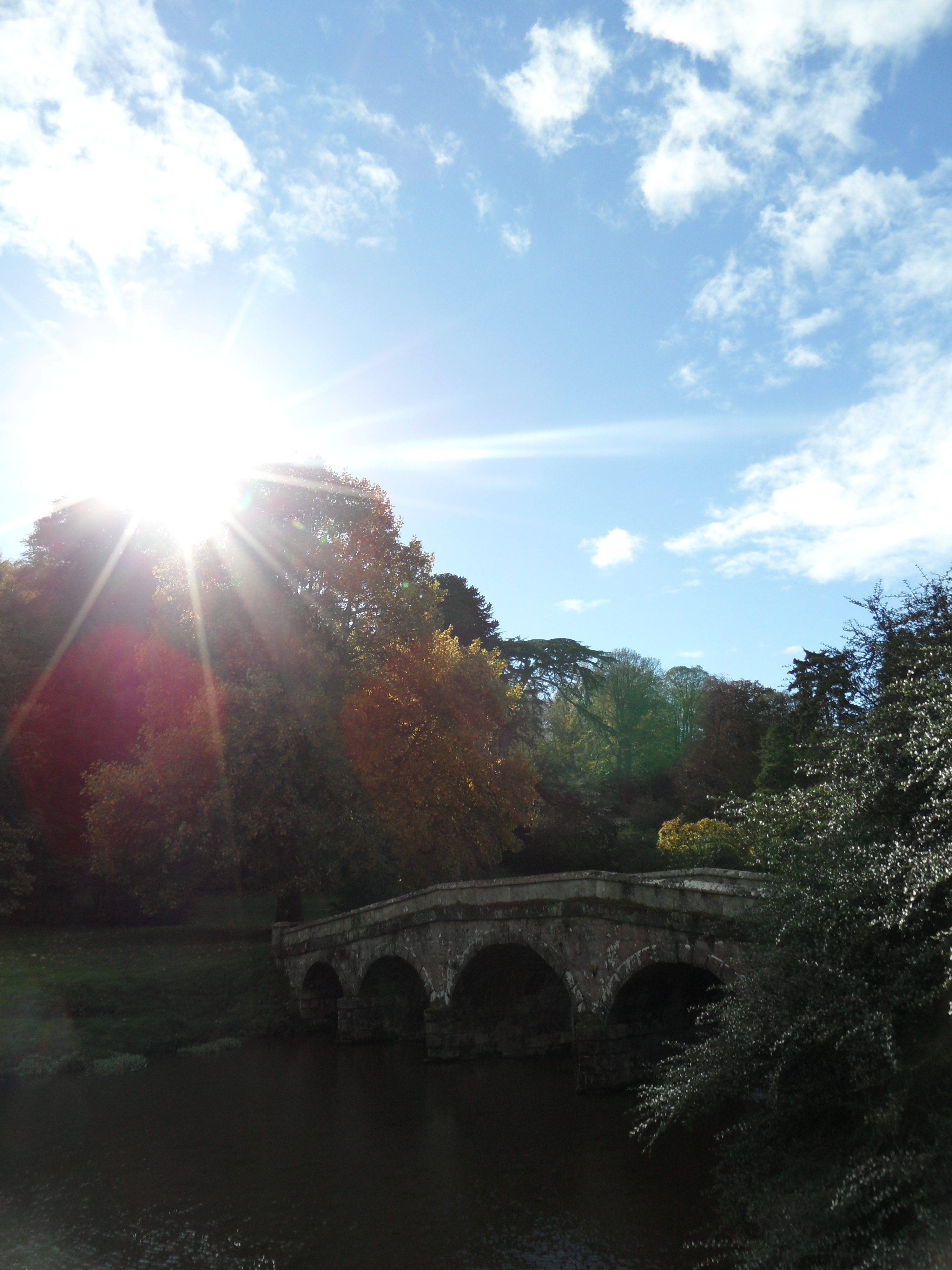
The Palladian Bridge

The Palladian Bridge

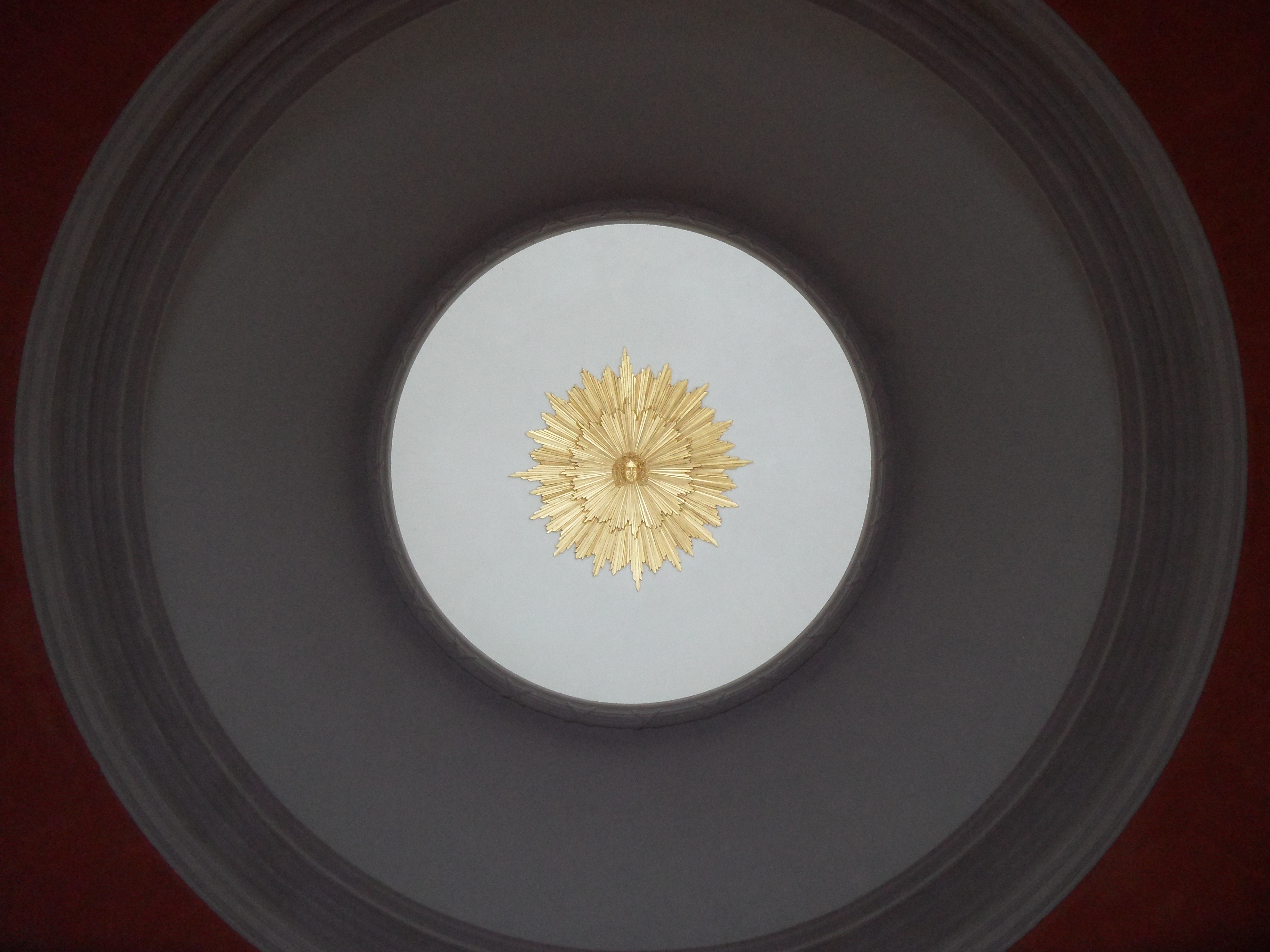
Moving around the lake, a fork in the path gives the option of taking the steep slope up towards the Temple of Apollo, sitting grandly on its perch overlooking the entire scene. Getting there involves walking through a remarkable tunnel made of sharp rocks which hang closely above your head through the darkness, almost spear-like in form. Even more spectacular, though, is the view from the top as the whole garden opens up beneath you and presents nature’s full range of colours. The temple itself is also impressive, boasting a golden relief in its dome which depicts Apollo’s face in the centre of a beaming sun, but as always it is the way in which the building presents the overall vista that is most powerful.

Apollo in the golden sun.

Apollo in the golden sun.

The Pantheon, further round the lake again, is the largest and most important of the three temples. Based on its Roman namesake and the subject of a million Stourhead photographs, it houses statues of various gods under its grandly domed roof. Like the other temples and indeed the house itself, this fascination with the classical is reflected not just in the contents but in the architecture too, and it makes grand statements about the context in which they were built. The great columns and imposing facades could be lifted straight from Athens or Rome and they boast of the British nobility’s power and position as masters of the eighteenth century world. Adorned with heroes and gods, these designs had no room for humility.

Temple of Flora and the Palladian Bridge.

Temple of Flora and the Palladian Bridge.

SAM_0792

The Pantheon

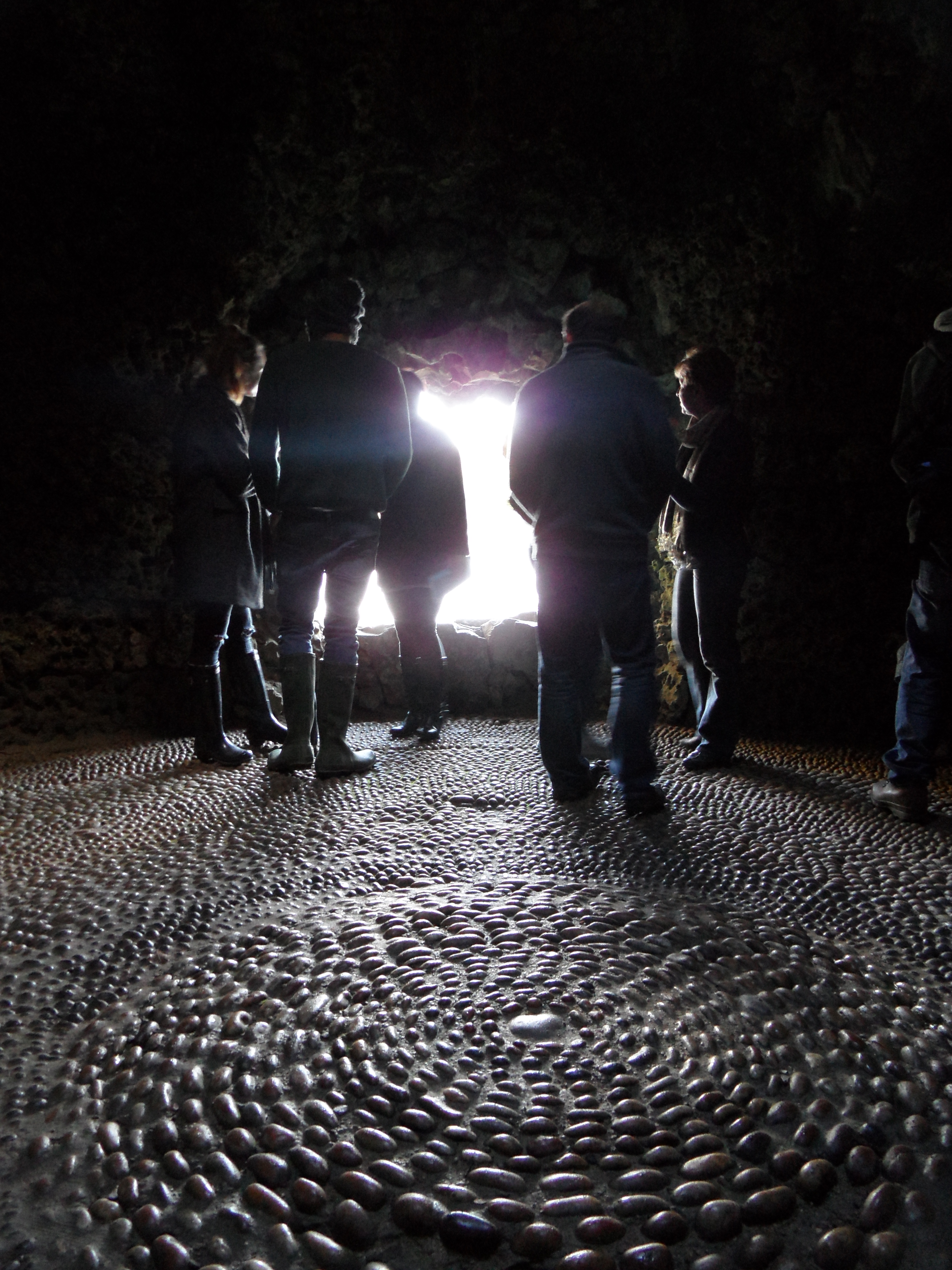
More modest, so much so that it almost feels out of place, is the Gothic Cottage. Built of beams and thatch and perched on the edge of the lake, this hut offers a large open fire and hot drinks to warm you as you make your way around the water in the colder months. The grotto is also well worth the minor detour, featuring yet more classical statues incorporated into water features in a stony cave that opens up onto the lake. The falling water and natural light reflect off the brightly alien alabaster, a combination which made this odd little cave my favourite part of the garden.

The ornate pebbled floor of the Grotto.

The ornate pebbled floor of the Grotto.

The upper part of the circuit offers little variation, but more of the same is a very fine thing in this instance. We eventually exited through the village of Stourton, a tiny hamlet of no more than a few buildings which feels almost as though it is tucked inside the grounds of the estate itself. There are a couple of holiday cottages as well as the Spread Eagle Inn, an 18th century pub serving the most up-market food on the site, generally in the £10- 20 range. The village adds life to the place, but is also where the crowds become most noticeable on a busy day.

The Stourhead gardens are one of Wiltshire’s great gems. The house is perhaps less so but that doesn’t mean it should be avoided as it forms an integral part of the overall package which is so impressive. Each season brings its own charms and pleasures with the rhododendrons of spring being particularly popular. Whenever you visit though, be assured Stourhead will envelope you in a three-dimensional canvas, one which is worthy of even the greatest masterpiece.

Prices: £14.80 per person plus £3 parking. All free to National Trust members.
* * *